
| |
| Articles Articles, features, news, musings and reflections from the Aunties and guest authors about the Dominican culinary culture and the pleasures of eating and cooking. |
| Rating: |
| | |||||||||||||||||
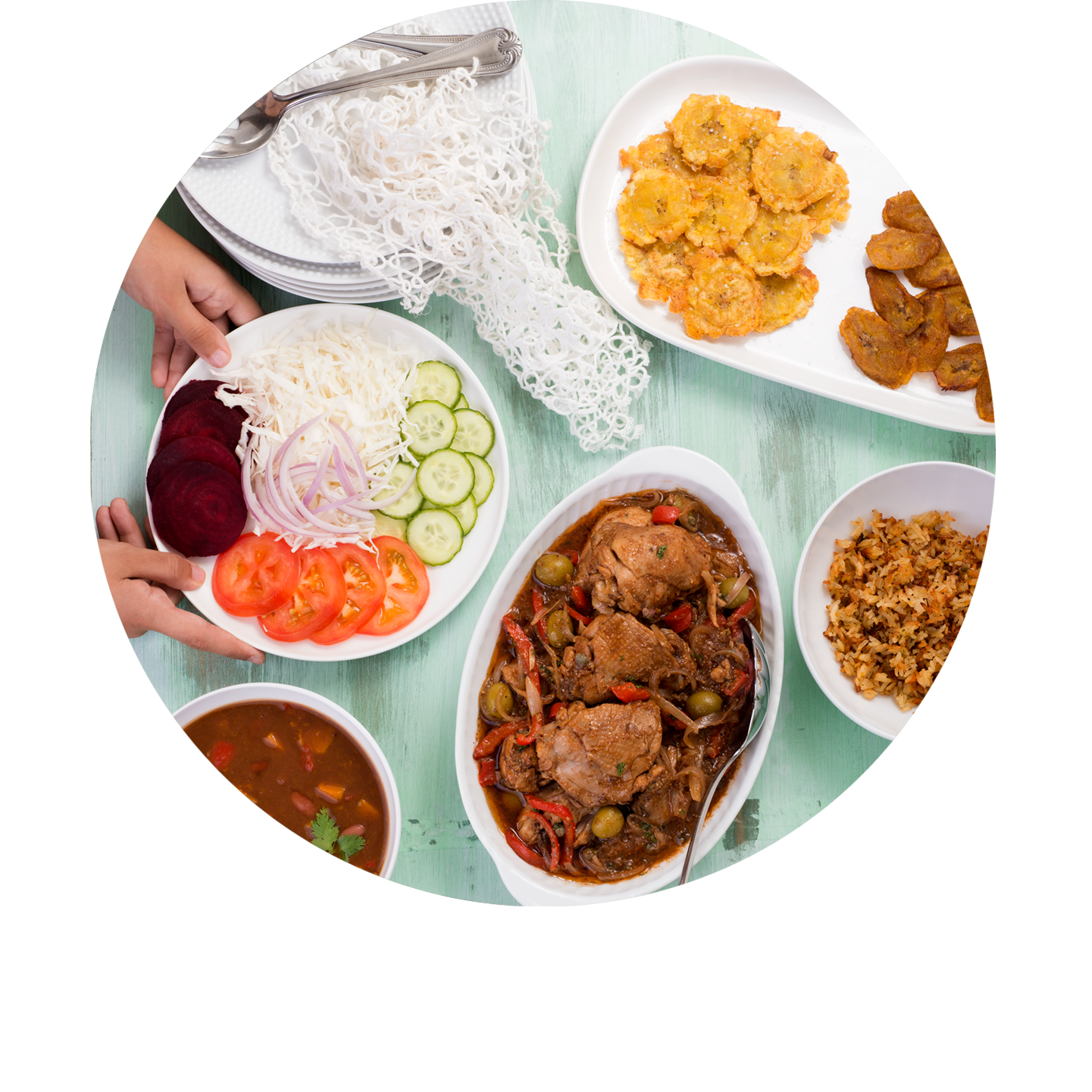
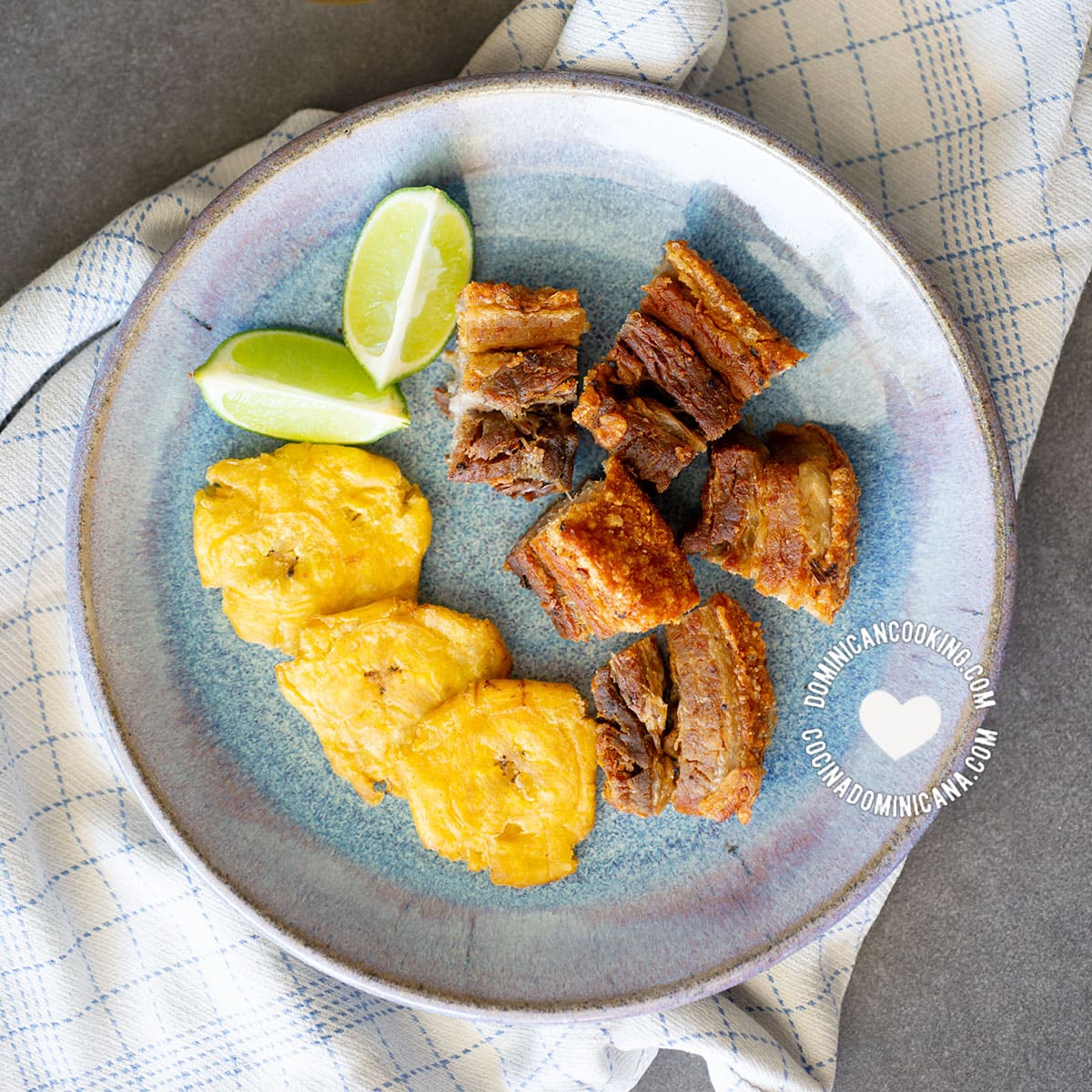
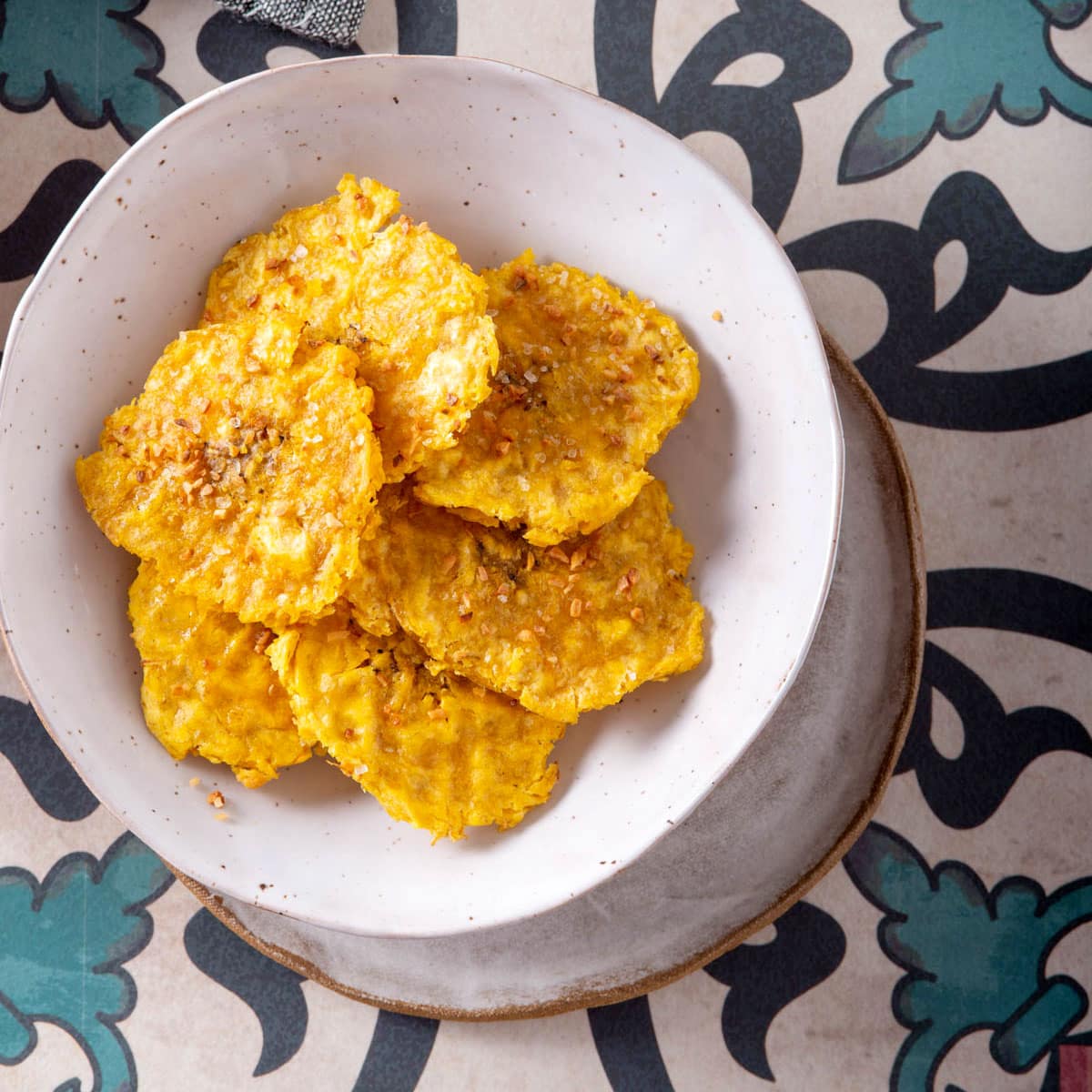
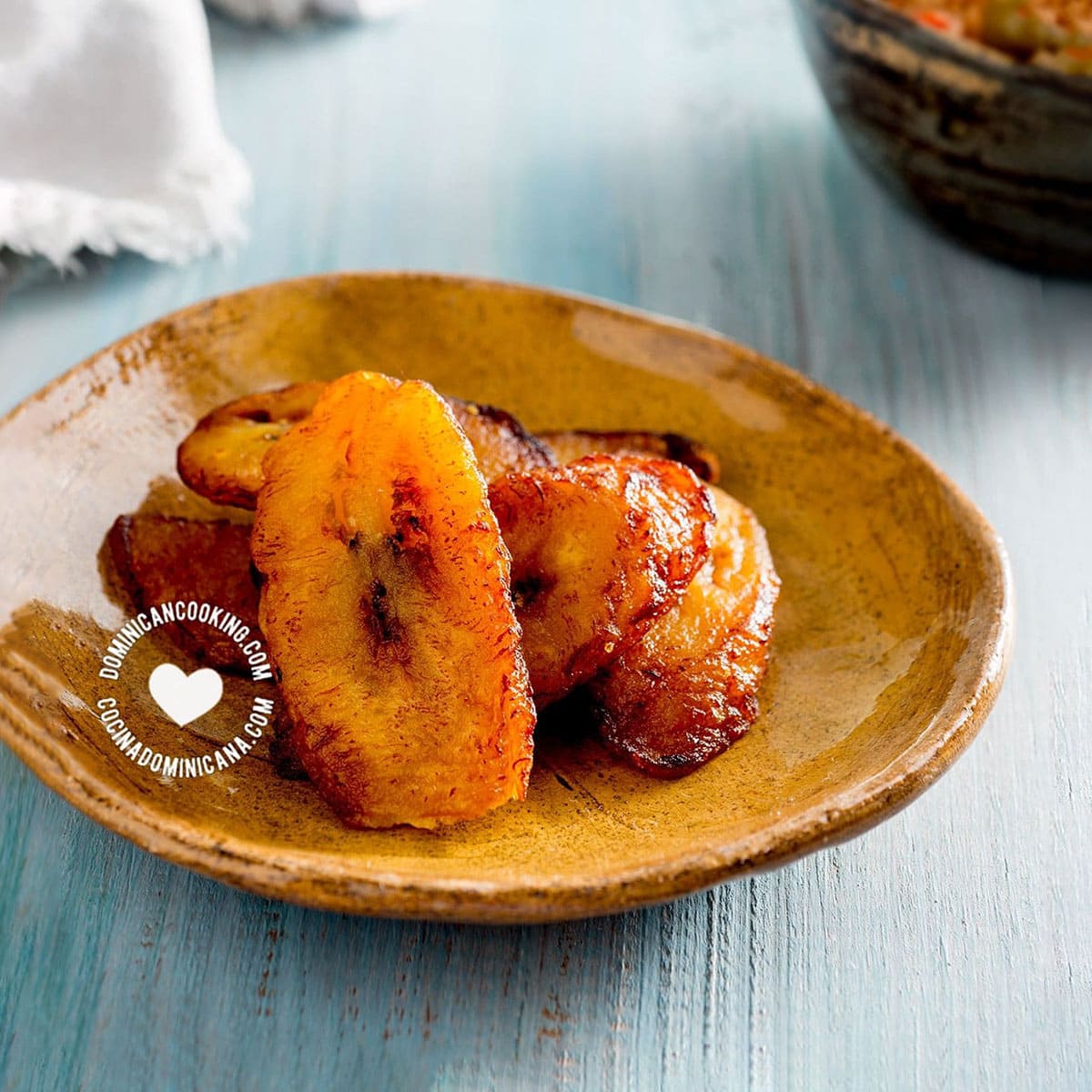
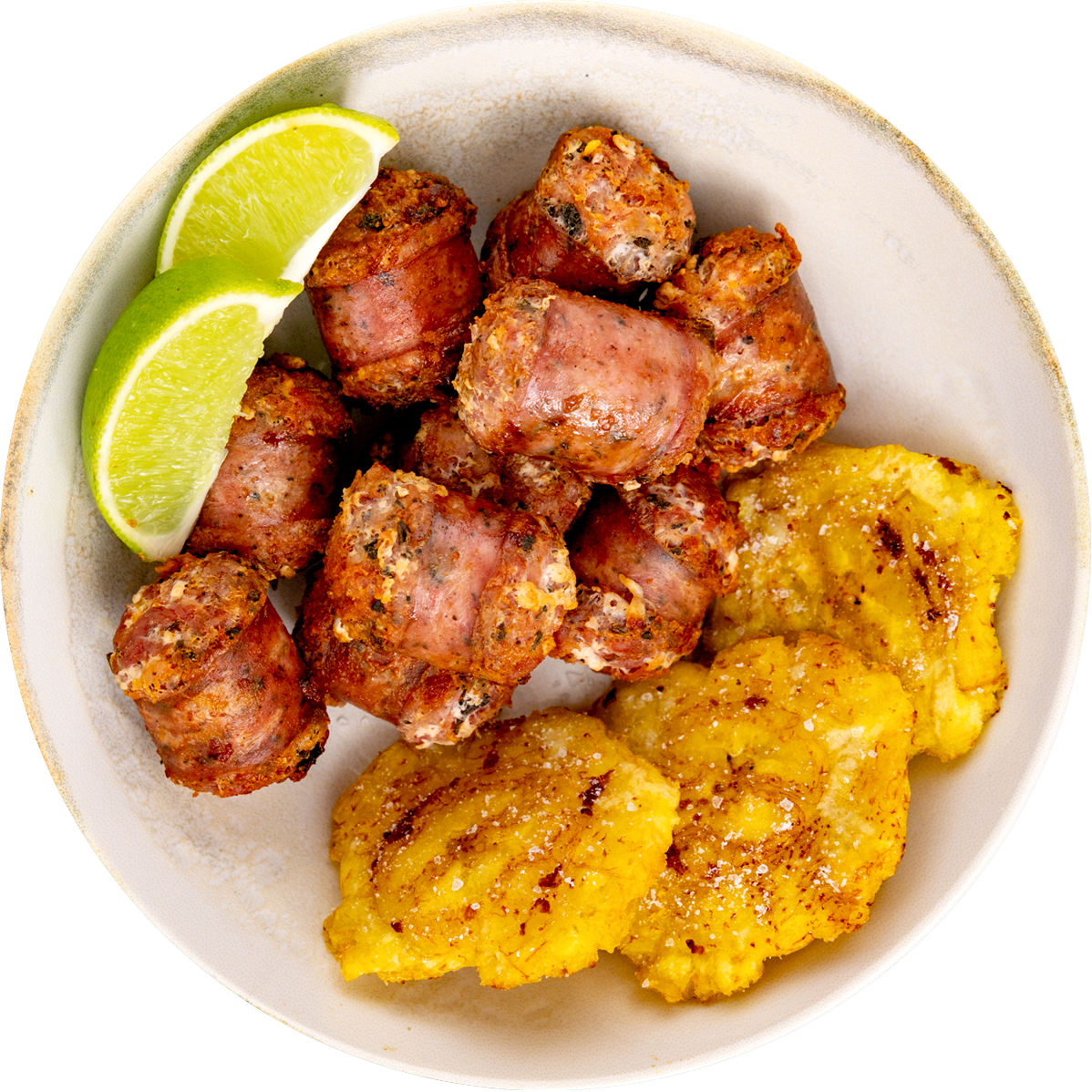
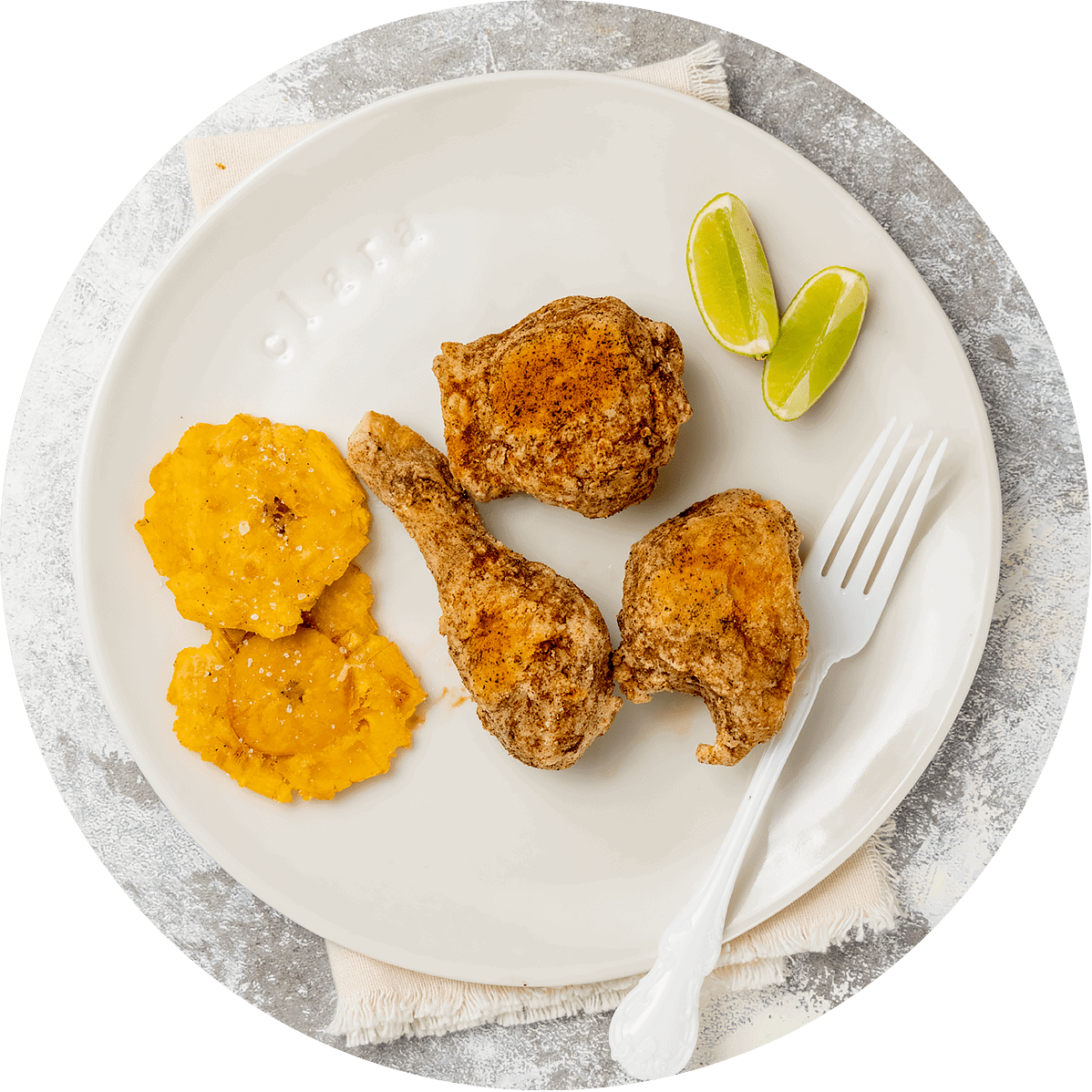
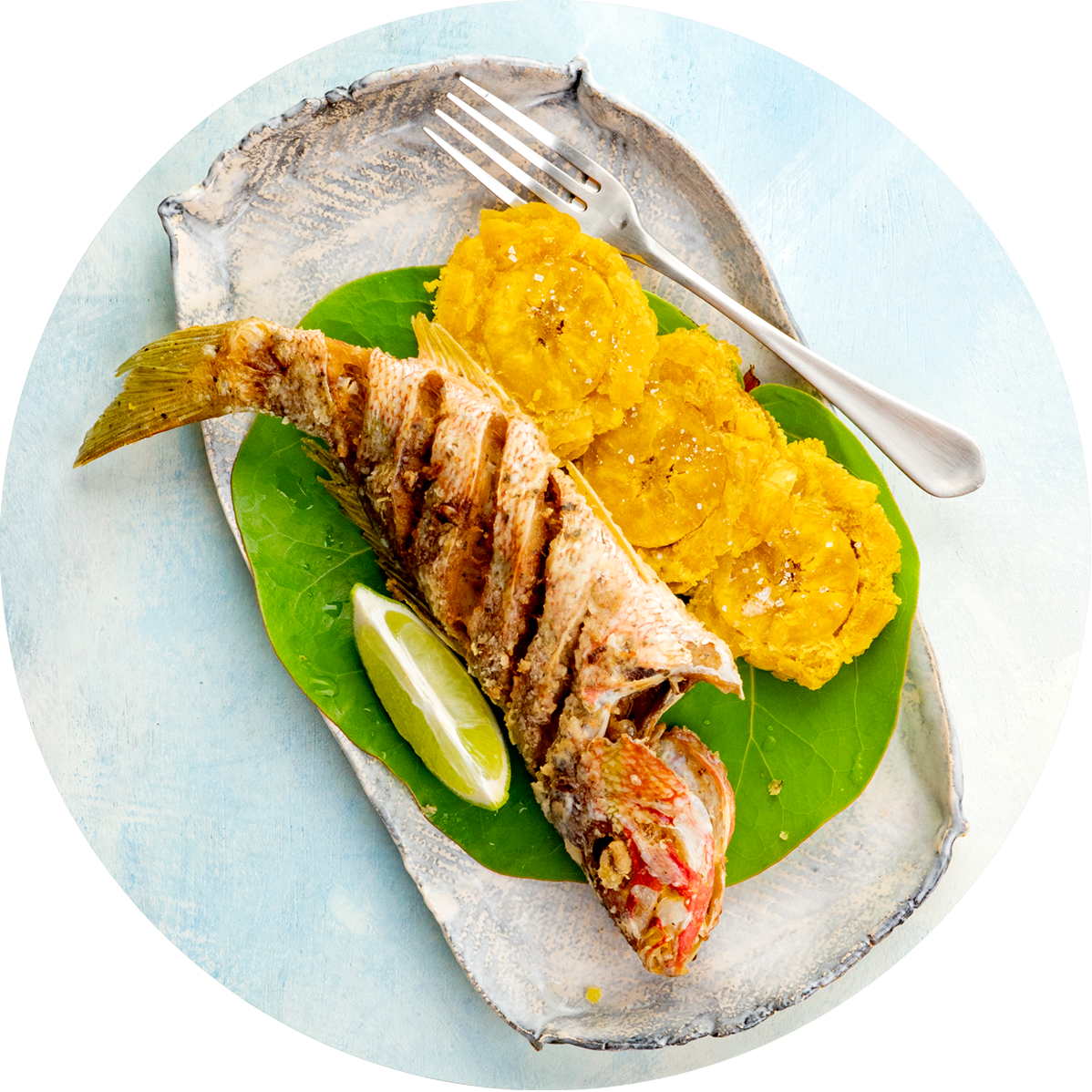
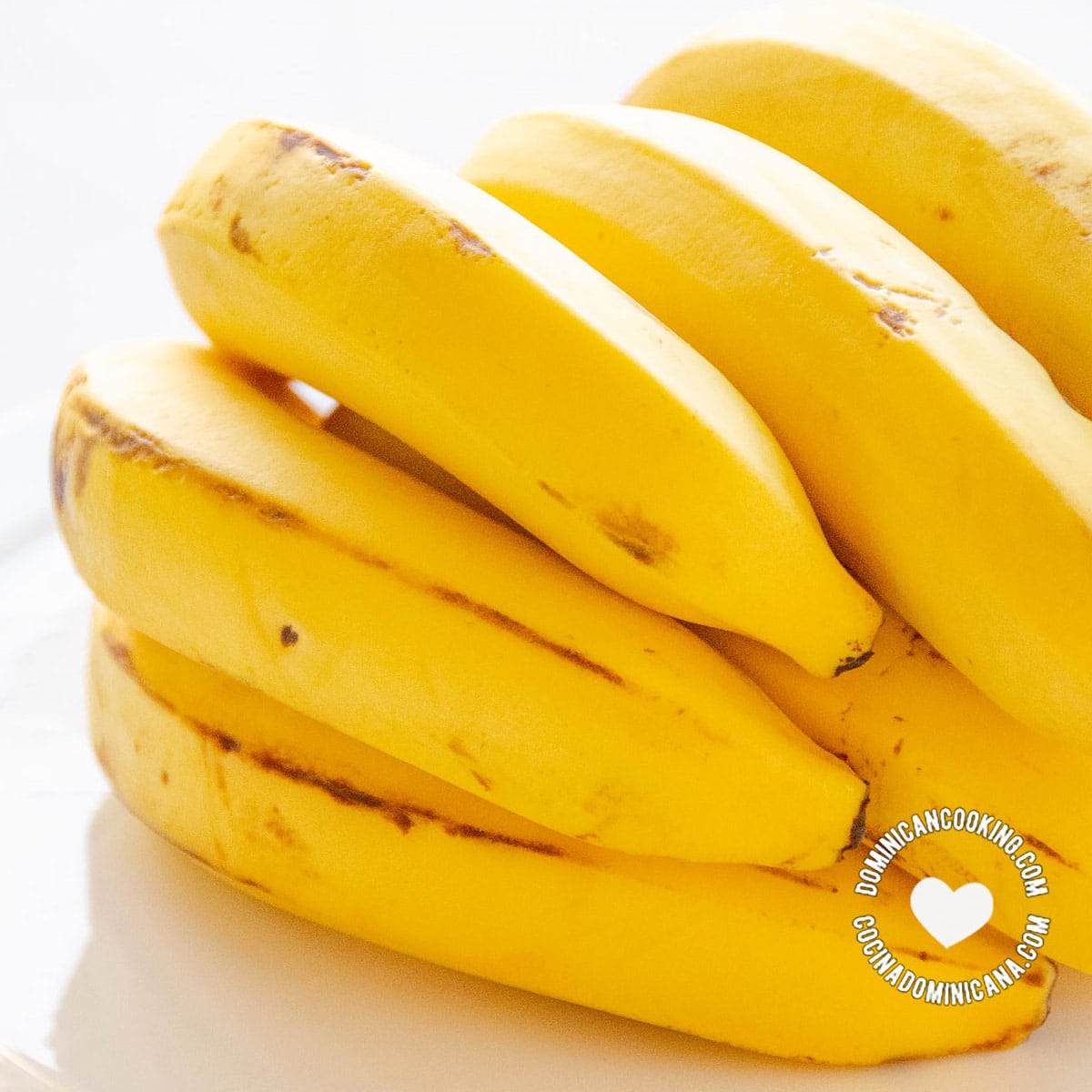
In defense of our popular fruit, Himilce A. Tejada, writer for Diario Libre newspaper, brings us this article, which puts an end to a popular, but erroneous belief that plantains make us stupid. Apart from politicians, in this country there is nothing that is more maligned than the green plantain. It’s accused, no less, of being partly responsible for our island’s rampant underdevelopment. It is said to block the brain and stop intelligence from flowing, according to some; while others say overindulgence leads to a dazed stupor. And there are even some who go as far as to say that if American children speak English from a young age, it’s thanks to the “conflé” that they eat for breakfast, as opposed to mangú… Myths, dear readers, pure myths. In this article we demonstrate that there are vitamins and much more behind the peel and that despite all efforts to the contrary, we’ve got where we are today thanks to its nutritional benefits, taste and versatility. Long live plátanos, and we’ll go on buying them even if they are “rabizas” or undersized runts. Origins: Plantains and bananas come from Asia. History tells us that when Alexander the Great arrived in India, he was surprised by their delicious taste and brought them to Greece. This was in around 327 BC. They spread further across the world thanks to Arab sailors who planted banana and plantain seeds along the east coast of Africa. Although Portuguese explorers introduced the crop to the new world in 1516, African slaves played a key role in making it a central feature of the continent’s cuisine, mainly in the Caribbean, Central America and the Pacific and Atlantic coastlines. For better or for worse, bananas are one of the world’s most popular fruits. Plantains and bananas only grow in temperate climates and it’s estimated that 12 million tons are cultivated every year. 10 tons come from Latin America. Family matters: The banana (Musa cavendish y M. Sapientum) and the plantain (Musa paradisiaca) are two varieties of the same fruit, a long leaved plant of the Musaceae family. Each region has its own varieties and peculiar names: In some countries such as Mexico, Central America and Spain, “plátano” is the word used for both banana and plantain, and the plantain is distinguished by the name “plátano macho”. In the Spanish-speaking Caribbean we call the banana “guineo”, while the Venezuelans call it “cambur”. Dominicans call fried plantain slices “fritos” or “tostones”, while our Puerto Rican neighbours call them “patacón”. Same language, different names! The main difference between bananas and plantains is that the former has more sugar and less starch, while the latter has more starch than sugar and has to be cooked before eating. A plantain’s taste depends on how ripe it is – the riper, the sweeter. Bananas are usually eaten raw, but can also be baked, fried or boiled in a variety of recipes. In India, for example, banana features in savoury dishes. Bananas are a good food for growing children: nutritious, a excellent source of energy, rich in vitamins A, C and K, glucids and potassium, as well as other minerals. Green plantain is a better source of energy than banana (about 285 kcals per 100g) and is an ideal snack for athletes. Storage: Most plantain and banana-lovers know that they should be stored at room temperature. To slow down the ripening process, wrap them in newspaper and keep them in the fridge. It’s also possible to peel and slice plantains for ‘tostones’ and store them in the freezer. Some even fry them once and store them to save time. Whether fried, boiled, sliced or mashed into a mangú (which a Dominican would never call ‘purée’), mofongo or as a side dish to almost anything, Dominicans remain faithful to their plantains and seek them out and taste them everywhere they go. As for those of you who still think that plantains make you stupid, this is for you: in India, when Alexander the Great arrived, bananas and plantains were known as “the fruit of the wise” because the Hindu Brahmins used to meditate under the shady leaves of banana or plantain trees. So there! By Himilce Amelia Tejada |
| ||||||||||||||||
|
#1
By
Lyrica
on
06-10-2007, 03:49 PM
|
| I gotta tell you about an experience I had on this subject. About 3 years ago, I worked at INAPA. At the moment, we were helping out the banana producers in the NW of DR, and the president of the association invited us for a hearty restaurant lunch in Mao. Somehow, one of my coworkers and I started joking about plantains making people stupid... OMG!!! The guy that was inviting us was outraged and we got a very extended BOCHE and a nutritional lesson that sounded much like this article. It was soooooooooooooooo embarrasing!!! |