

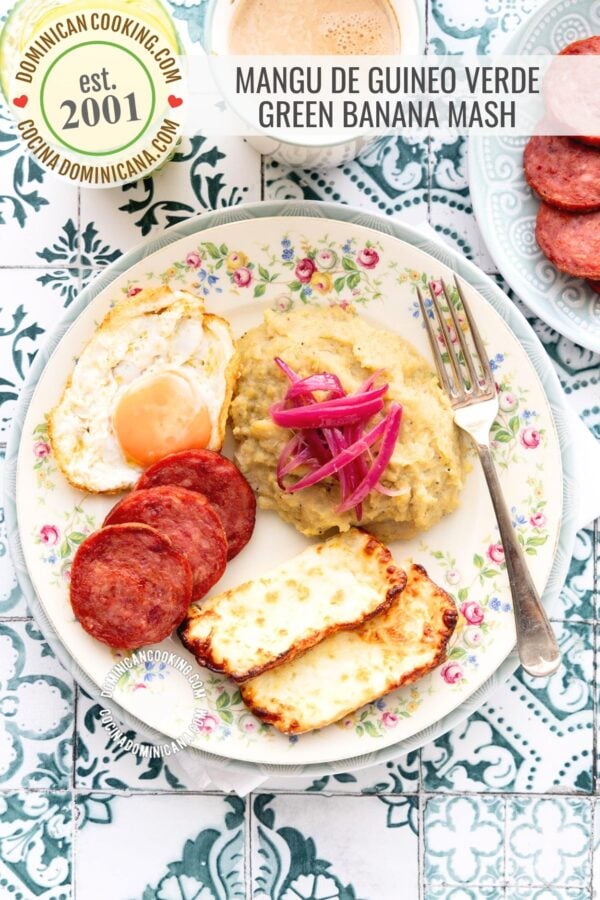
I grew up with the popular idea that guineitos verdes (green banana) were a healthier alternative to plantain. While this may or not be true, a smooth, creamy Mangu de guineo verde was always as welcome on our table as the traditional Dominican plantain mangú.
By - Reviewed: . Original: May 3, 2026
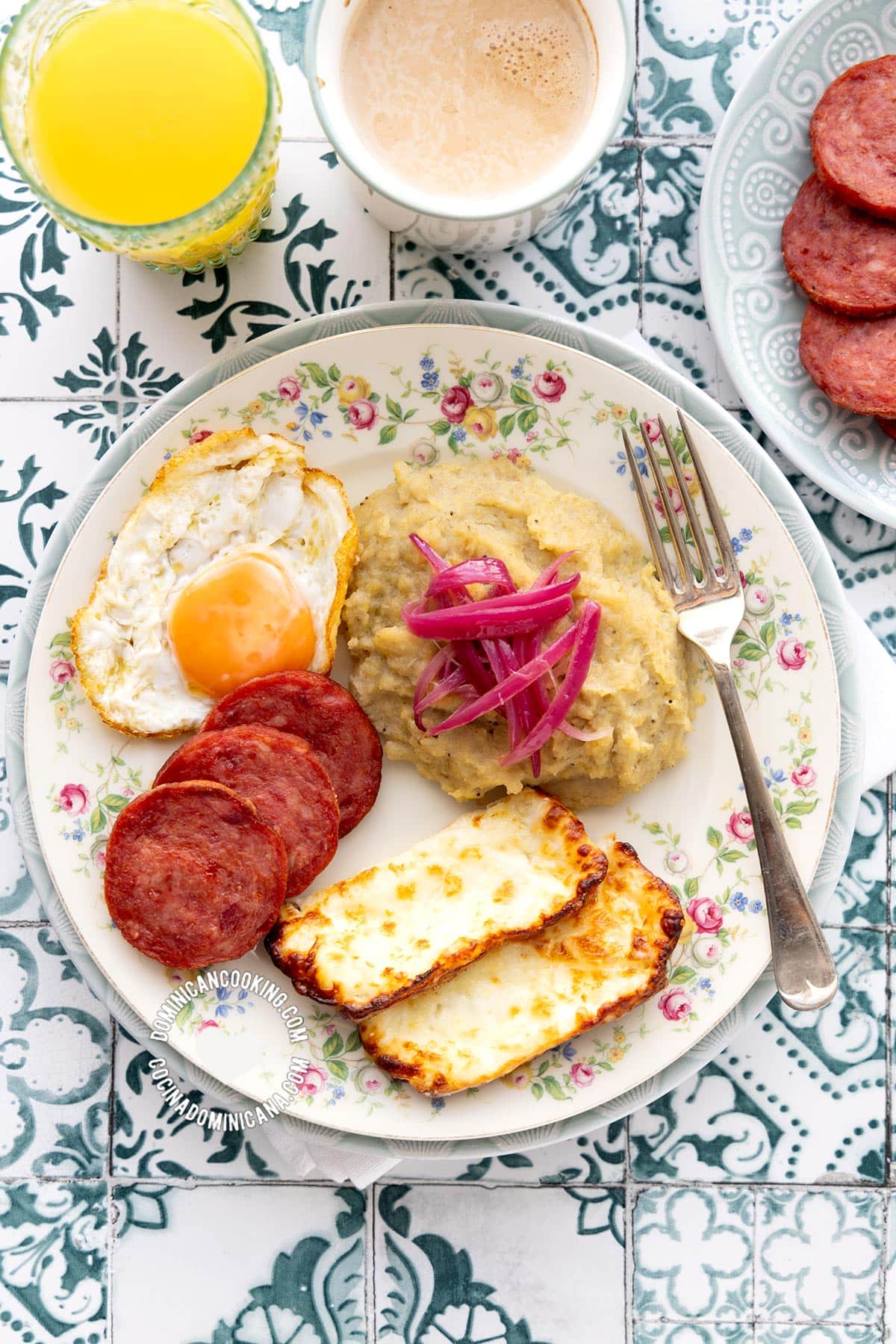
Why we ❤️ it
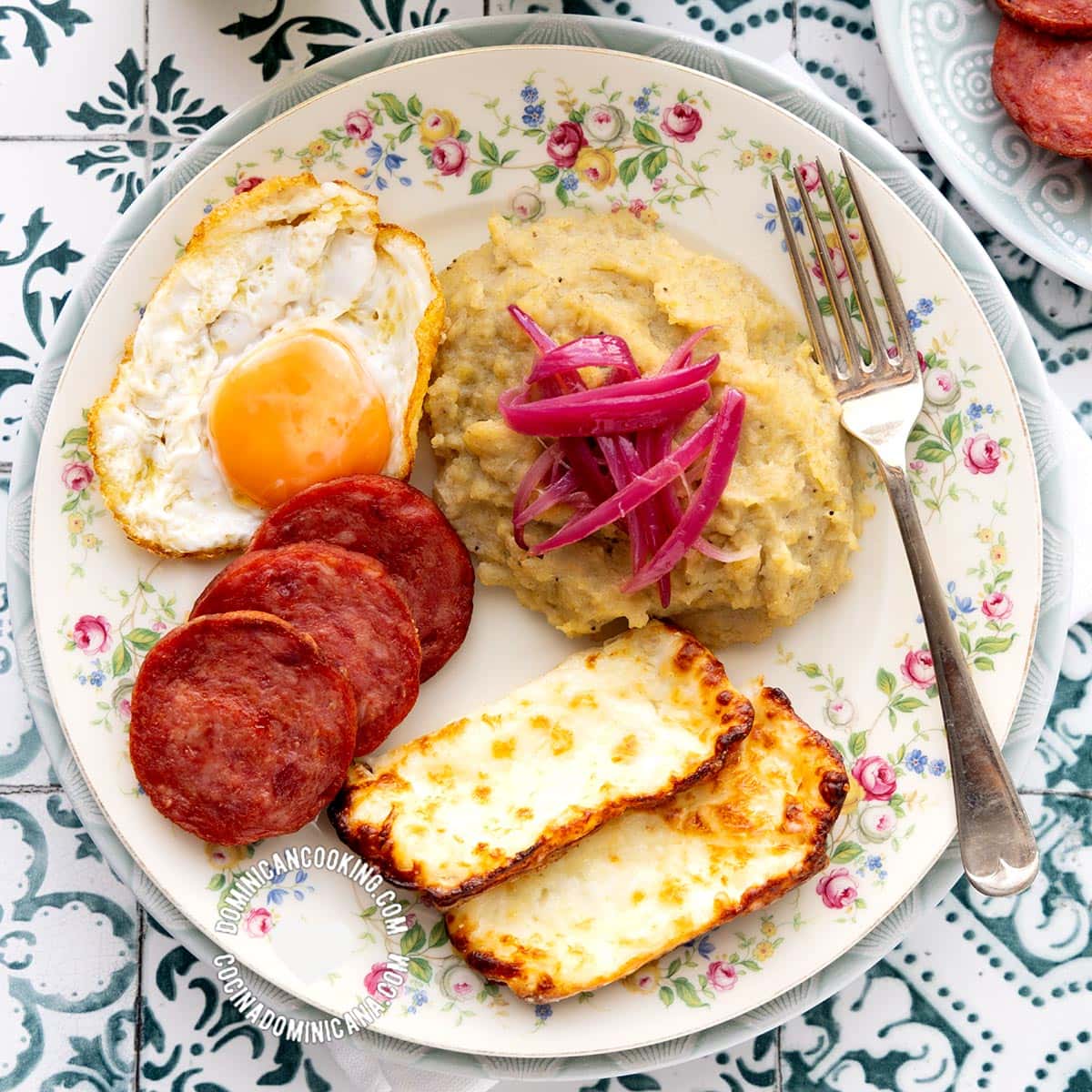
Mangu, the Dominican breakfast dish of mashed plantain is one of the most popular dishes in our cuisine, but if you want to try another interesting alternative, Mangu de guineo verde is less dense, creamier, and has just as much flavor as the traditional one.
This is my favorite way to prepare guineitos verdes, and I give some lighter alternatives for a healthier breakfast.
What's guineo verde?
Guineo is how Dominicans, Puerto Ricans and many other Hispanic countries call bananas. While the entire planet enjoys bananas in its ripe form, in the Spanish Caribbean it's also part of our savory cuisine when consumed unripened.
Plantain, also in the musa family, is always cooked -ripe or unripe; ripe bananas are consumed raw or in banana smoothies, but have to be cooked when green. We can make it into guineitos hervidos, tostones de guineitos, and even mangu.
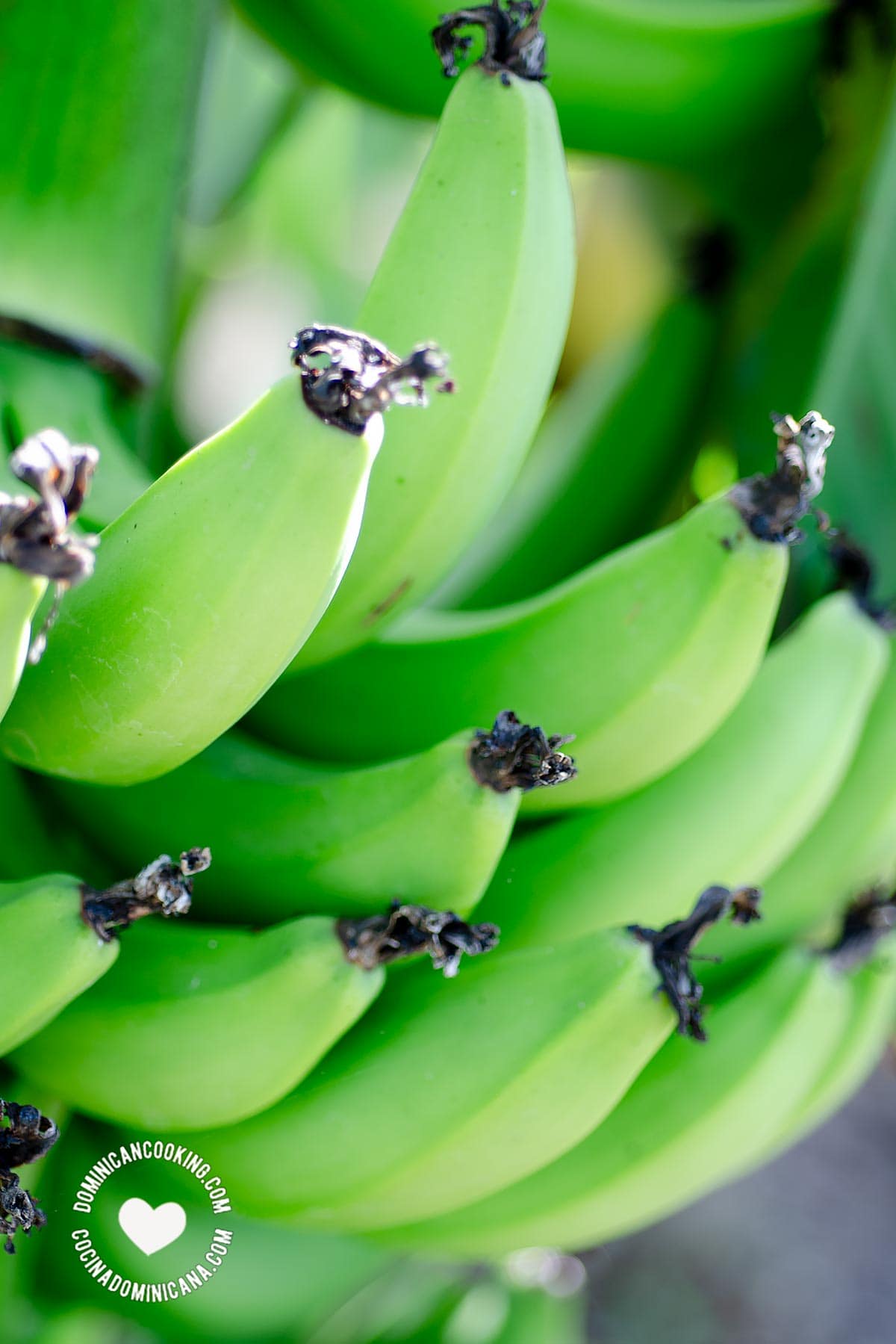
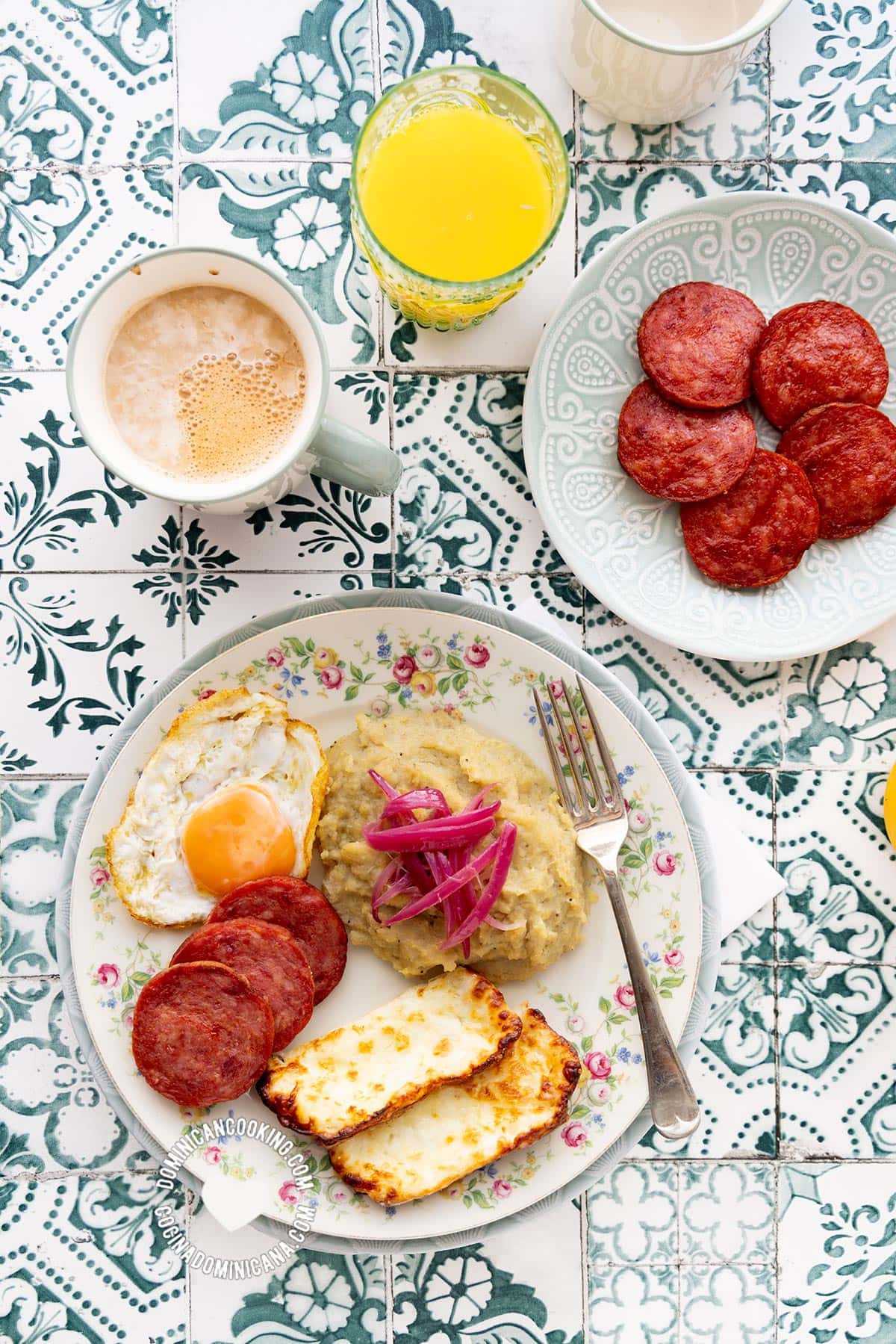
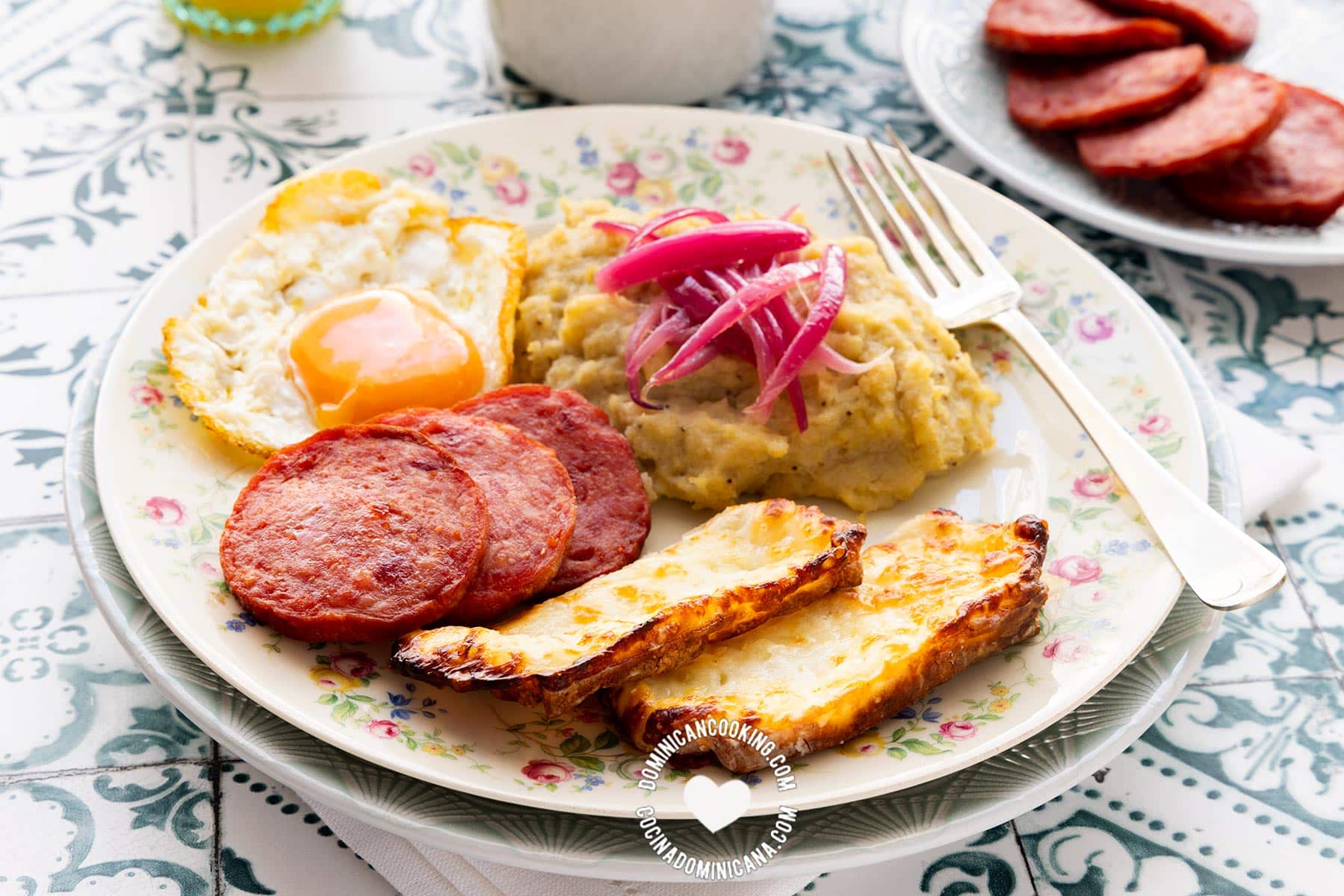
Guineos verdes majados with air fryer queso and salami.
Serving suggestions
As we do with the traditional mangu, this mangu de guineo is best topped with Dominican red onion in vinegar and fried eggs. But instead of the typical fried cheese, and fried salami (Dominican sausage) I suggest you go with my Air fried salami and queso de freír.
For something lighter, a Revoltillo de huevos (Dominican scrambled eggs) is my go to. Get yourself some Dominican avocado for an extra healthful meal.
Something to drink is a must, and a steaming cup of Cafe con leche (Dominican latte), and a glass of Jugo de china (orange juice), or Jugo de chinola (passion fruit juice) is my go-to.
Top tips
- Smooth mangu: Same as plantain mangu, the trick to super smooth mangu de guineito is to mash well (no lumps!), add some fat (I use olive oil for a healthier alternative, but butter is fine too), and adding enough room temperature water.
- Consistency: The mangú will harden as it cools, so while mashing you may need to add more water than it's apparent in the beginning, so add more water to make it slightly softer than you'd prefer
- Leftovers: Save leftover in the fridge in an airtight container. To reheat add enough water to make it soft again.
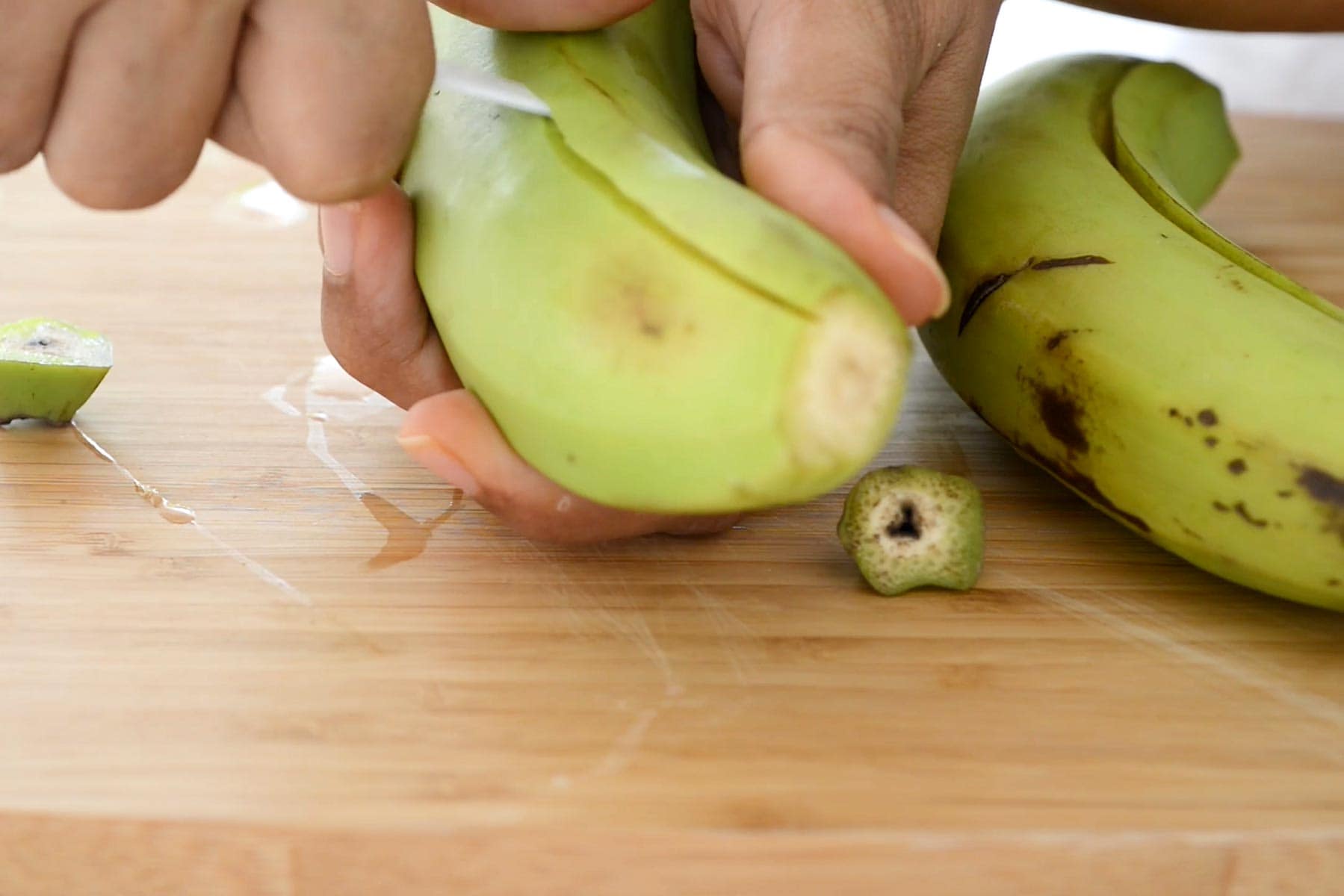
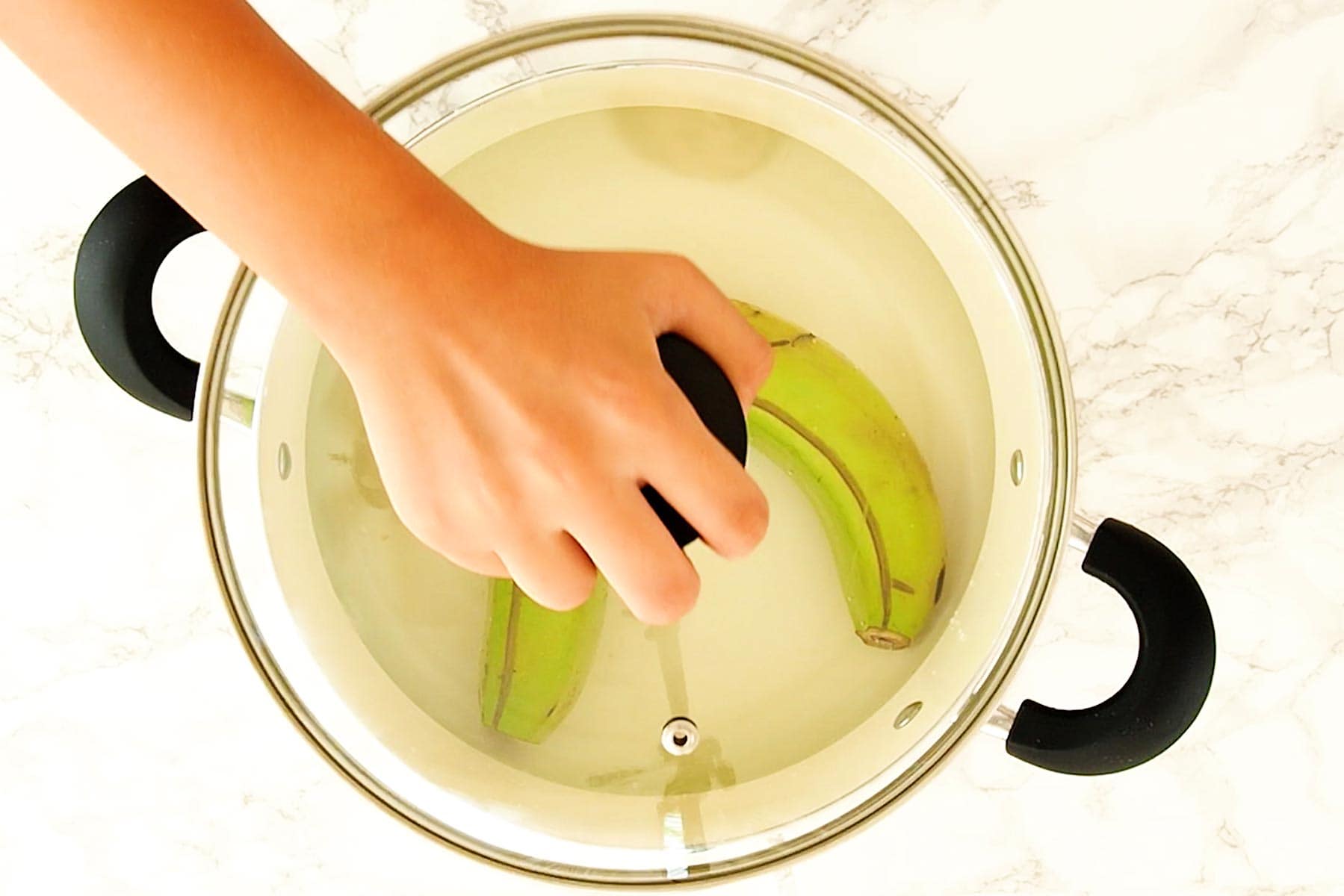
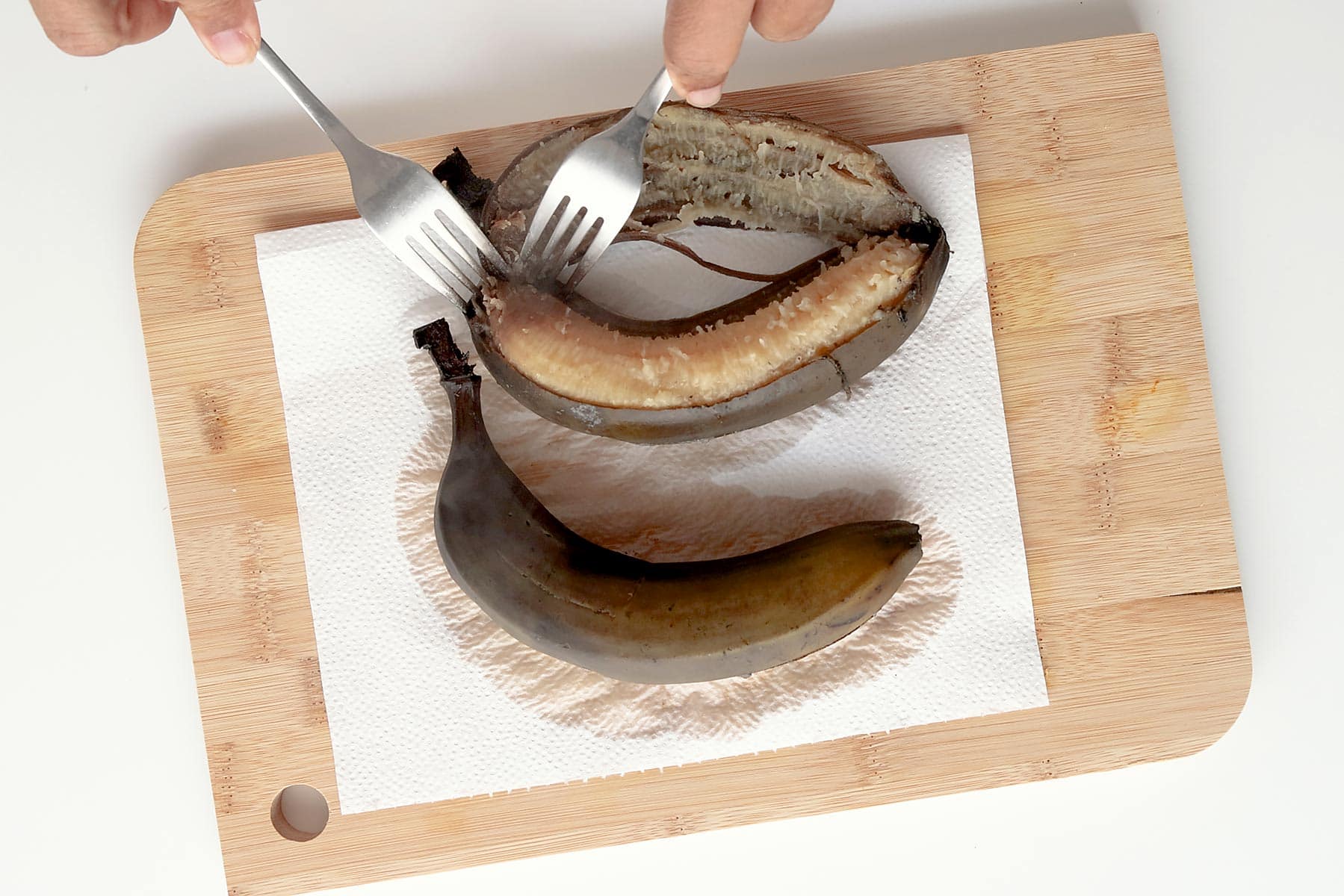
- Peeling guineo verde: Guineo verde stain a lot, so my mom's trick was to boiling without peeling; scoring one one side may be enough and the peel will come off very easily after cooking.
I have never had to peel them for boiling. The pot may need a bit of scrubbing afterward though. - Portion size: Notice that the serving size for this dish is considerably smaller than with traditional mangu de platanos, so you may want to double the recipe if you want a bigger serving per person.
About this recipe
As I mentioned, it's a widespread belief amongst Dominicans that guineo verde is a healthier, lighter, or more digestible alternative to plantain (I have heard it all).
Is it true? I don't know. What I know is that growing up at home where my mom grew up bananas in the backyard, we consumed as much guineo verde as we did plantains.
So if you love green bananas as much as I do, you have to try this. And as a bonus, I have found that the bananas that turn up in European markets are often green enough for this purpose. 😳
Do you cook guineitos verdes at home? Let me know in the comments!

Video
Recipe
This awesome free recipe contains Amazon affiliate links, we receive a small commission from any purchase you make at no extra cost to you. Thanks for your support!
Mangu de Guineo Verde [Video+Recipe] Green Banana Mash
Ingredients
- 4 green bananas
- 1¼ teaspoons salt, divided (may add more to taste)
- 4 tablespoons olive oil, or butter, whichever you prever
Instructions
1. Scoring bananas
 Cut the two tips of the green bananas, and score the peel in one long cut.⚠️ Raw green bananas may stain your hands or clothes, so you may want to wear gloves and an apron. Another alternative is scoring it in a pot full of water.
2. Boiling
- Place the banana in a pot, and add enough water to cover them plus an inch. Add 1 teaspoon of salt.Boil covered until they are very tender, and the peel has started to come off (about 15 minutes).
3. Peel bananas
- Remove the banana from the water and place on a paper towel.Using two forks, carefully remove and discard the peels.
4. Mashing bananas
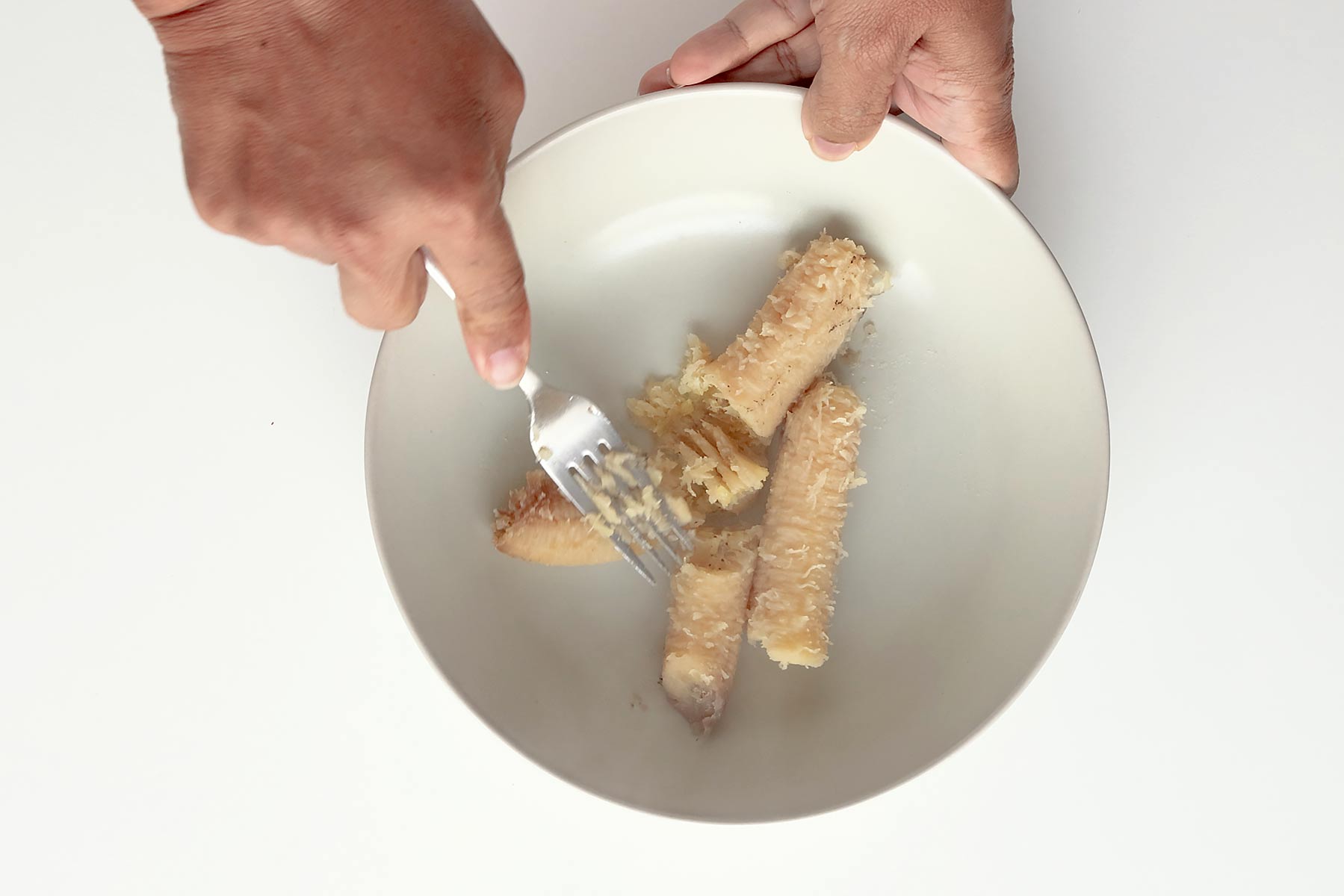
- Place in a deep dish, and mash until there are no lumps.Add oil and extra salt -if needed, and progressively add enough water at room temperature until it turns into a very smooth puree.
5. Serving
- Serve right away (see these serving suggestions above the recipe).
Cook's Notes
Nutrition
Nutritional information is calculated automatically based on ingredients listed. Please consult your doctor if you need precise nutrition information.
Want to save this recipe?
Enter your email & I'll send it to your inbox. ❤️ Plus, get great weekly recipes from me!

- Learn more about me and the humans behind this blog.
- Share your questions and comments about this post.
- Subscribe to receive our recipes and articles by email.
- Please stay in touch! Follow us on:

Comments
No Comments