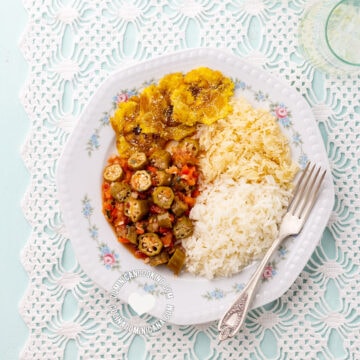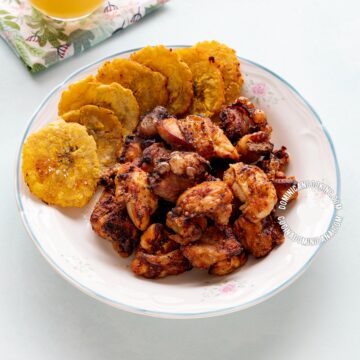


Mondongo (Dominican tripe stew) might not be some people's cup of tea, but in the Dominican Republic, we love it, and it is a comforting special treat reserved for special occasions, and it's greatly appreciated by most of my fellow countrypeople. You should try it.
By - Reviewed: . Original: Abr 13, 2002
Why we ❤️ it
Many years ago we took a poll amongst our readers called "Mondongo: Yucky or Yummy?". Regardless of my personal opinion, and considering our diverse international audience, my money was on a landslide victory for the Yuckies.
Instead, they lost. By a whole lot.
Whether one's a fan or not, it doesn't really matter; this rich, insanely flavorful sopa de mondongo is very popular amongst Dominicans and the occasional adventurous foreigner.
What's mondongo?
For those innocently unaware, Mondongo is the name for beef, cow, pig, or goat tripe, and intestines in the Dominican Republic. Although it is by far the most popular edible innard in our country, it is not the only one: butifarra, bofe, and pico y pala are some other curious names for some Dominican foods of dubious provenance.
Beef tripe is the name for honeycomb tripe or the stomach of a cow. Tripe is also known as chitterlings in certain parts of the US. Elsewhere, it is called callos, menudo, and other equally non-descriptive names.
Mondongo soup is not unique to the Dominican Republic - it can be found in several countries in Latin America and the Caribbean. It goes by the same name in Colombia and Puerto Rico, though they differ from ours in some ways. The delicious Puerto Rican mondongo is the closest to Dominican-style mondongo.
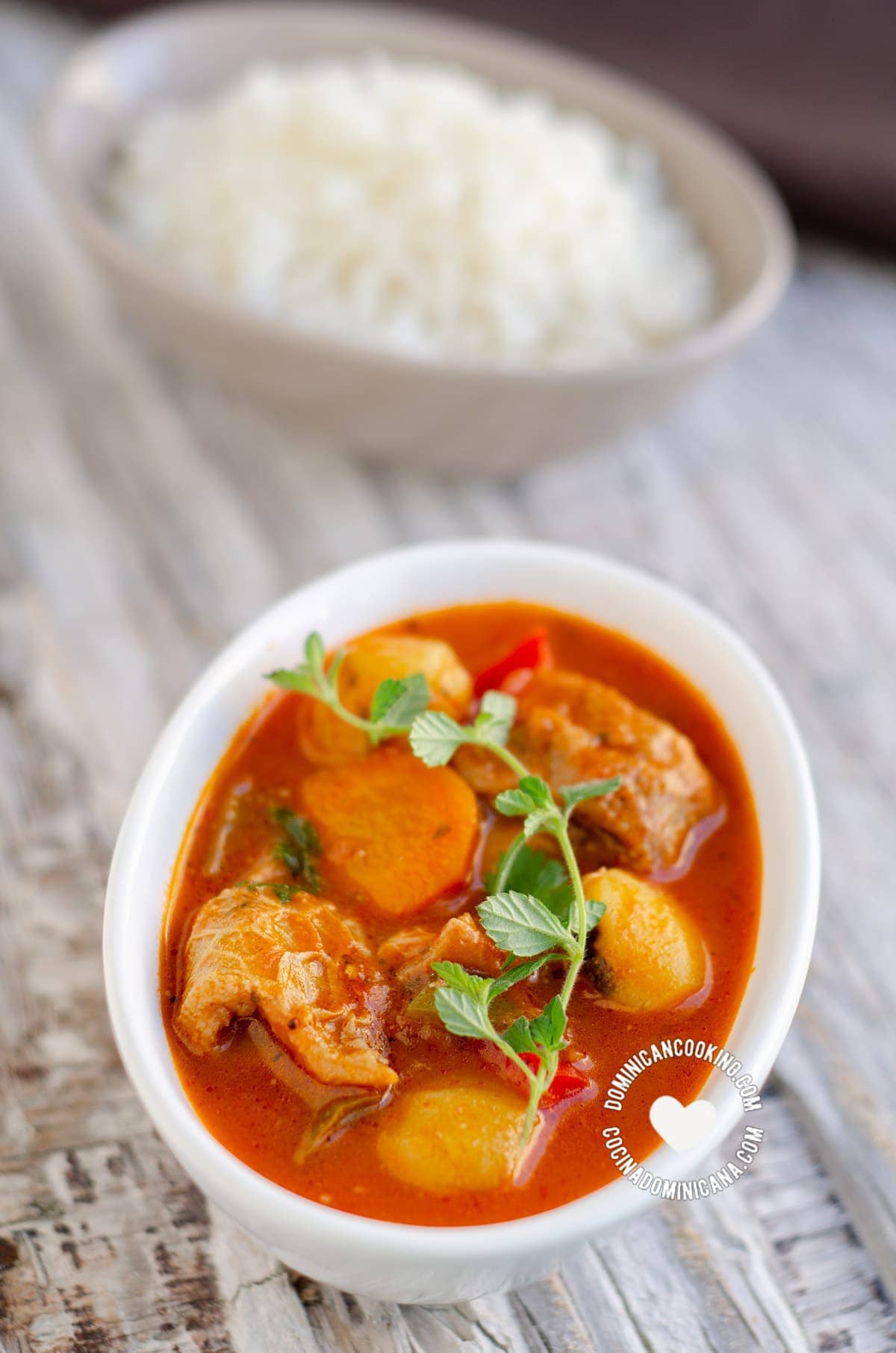
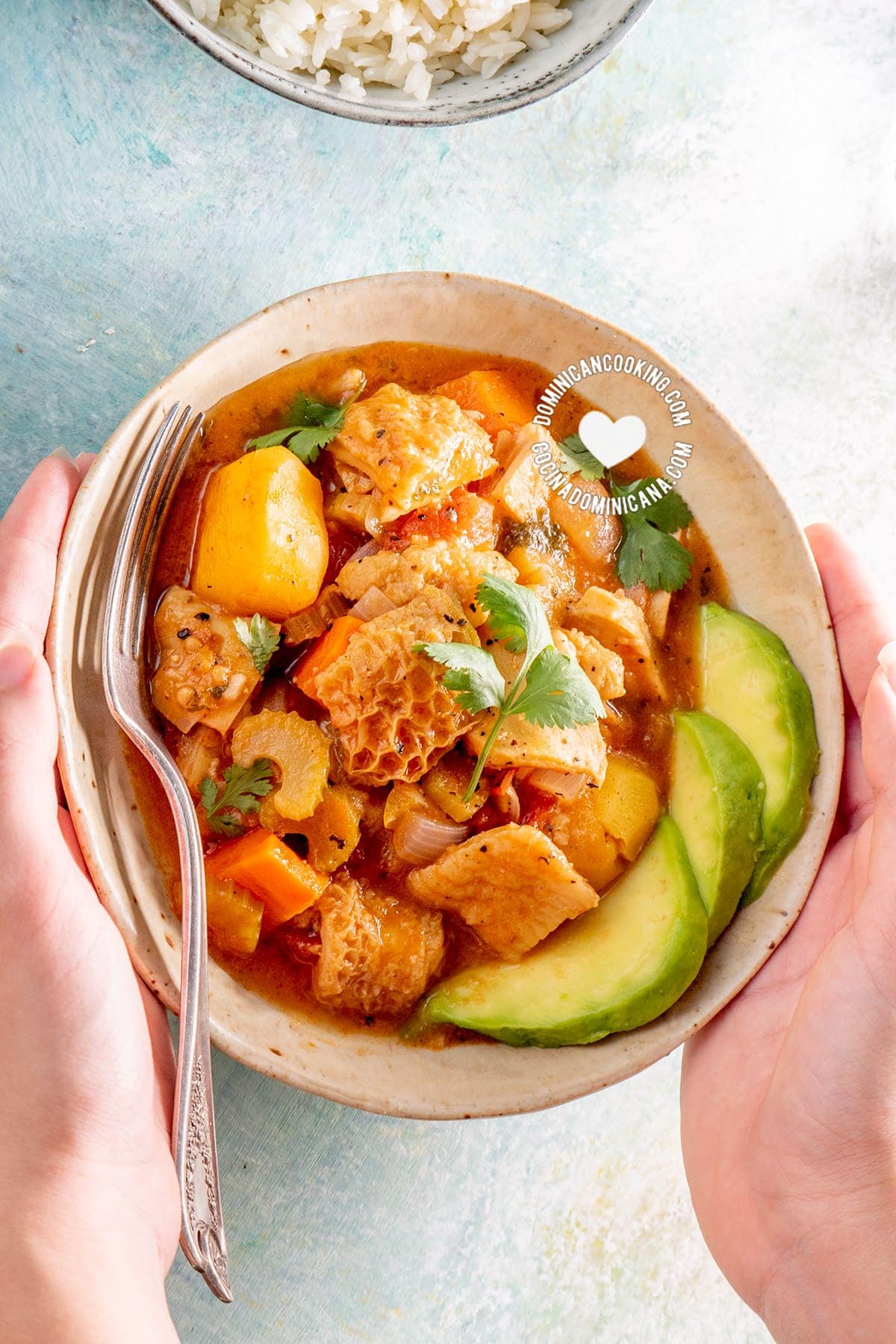
Mondongo stew.
How to cook it
Traditionally, mondongo is cooked after being cleaned very well, boiled, and stewed with vegetables, herbs, seasonings, and tomato sauce.
How to clean it
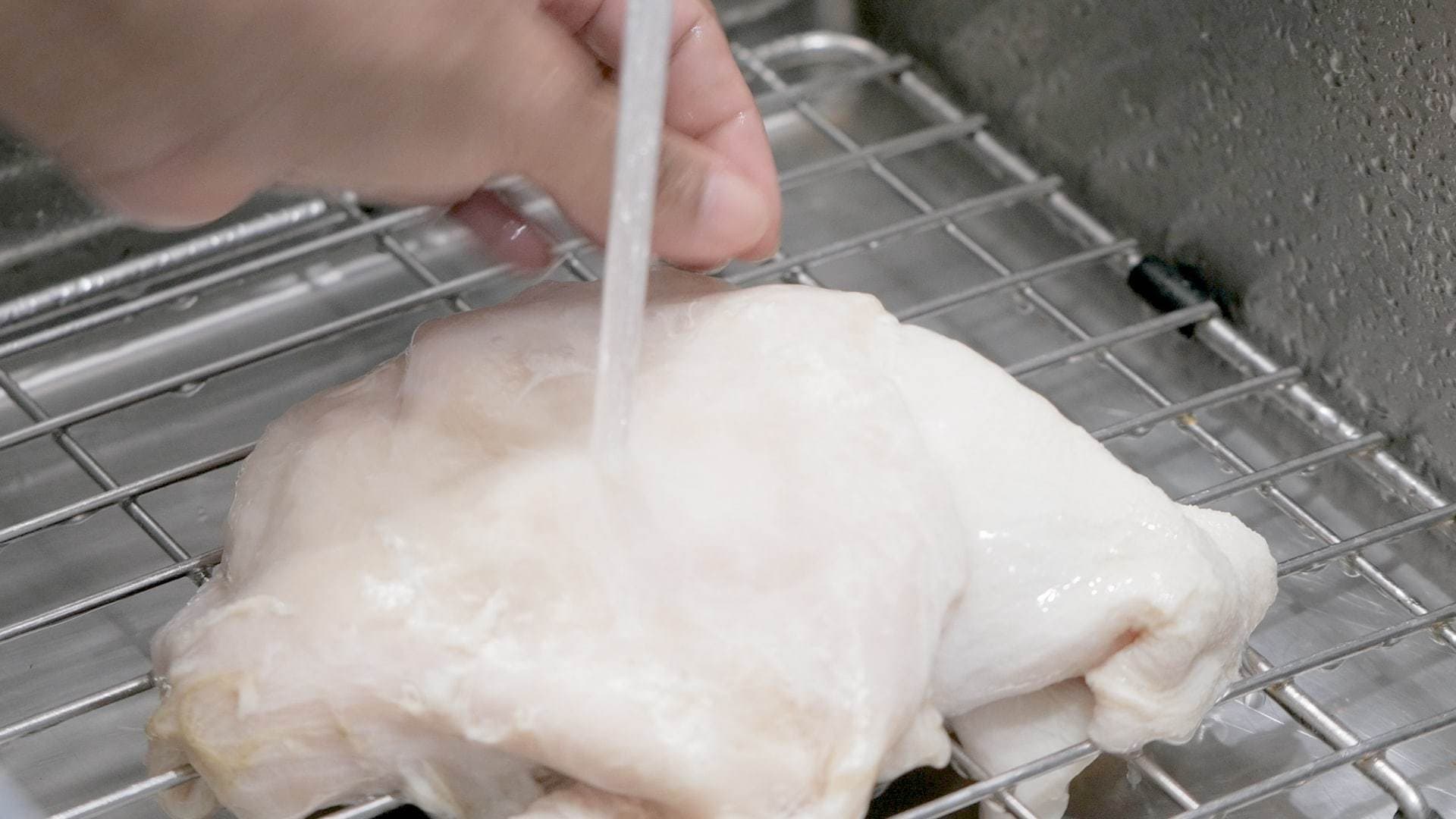
The honeycomb should be cleaned and bleached before starting, this is already done if you buy it in the supermarket. For extra precaution and peace of mind, you can scrub with salt and white vinegar when you wash it, then rinse it thoroughly. Some people swear by washing with bicarbonate soda instead, then rinsing thoroughly. Some wash with bitter orange or lime juice.
I did not do this for the video because I didn't find it necessary. Bear in mind that any surviving germs will be killed during the lengthy cooking process.
How long to boil
I am not entirely sure why, but I have found that the boiling process varies wildly every time I make this. Sometimes I have it boiled tender in less than an hour, one time it took four! I don't know how long this will take for you, so do this in advance if you're cooking for guests. If you have a pressure cooker or instant pot, using it would help to shorten the boiling time.
Serving suggestions
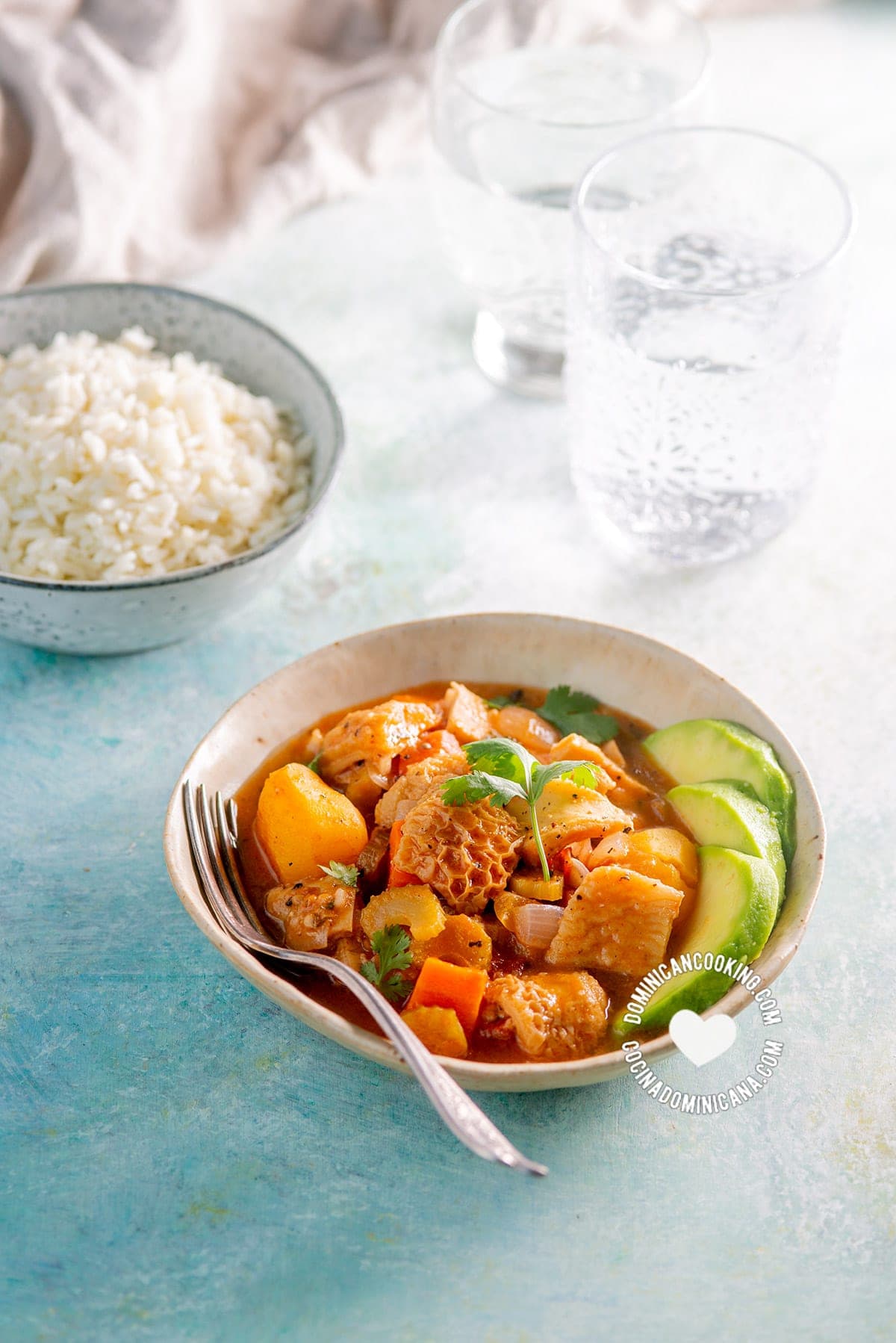
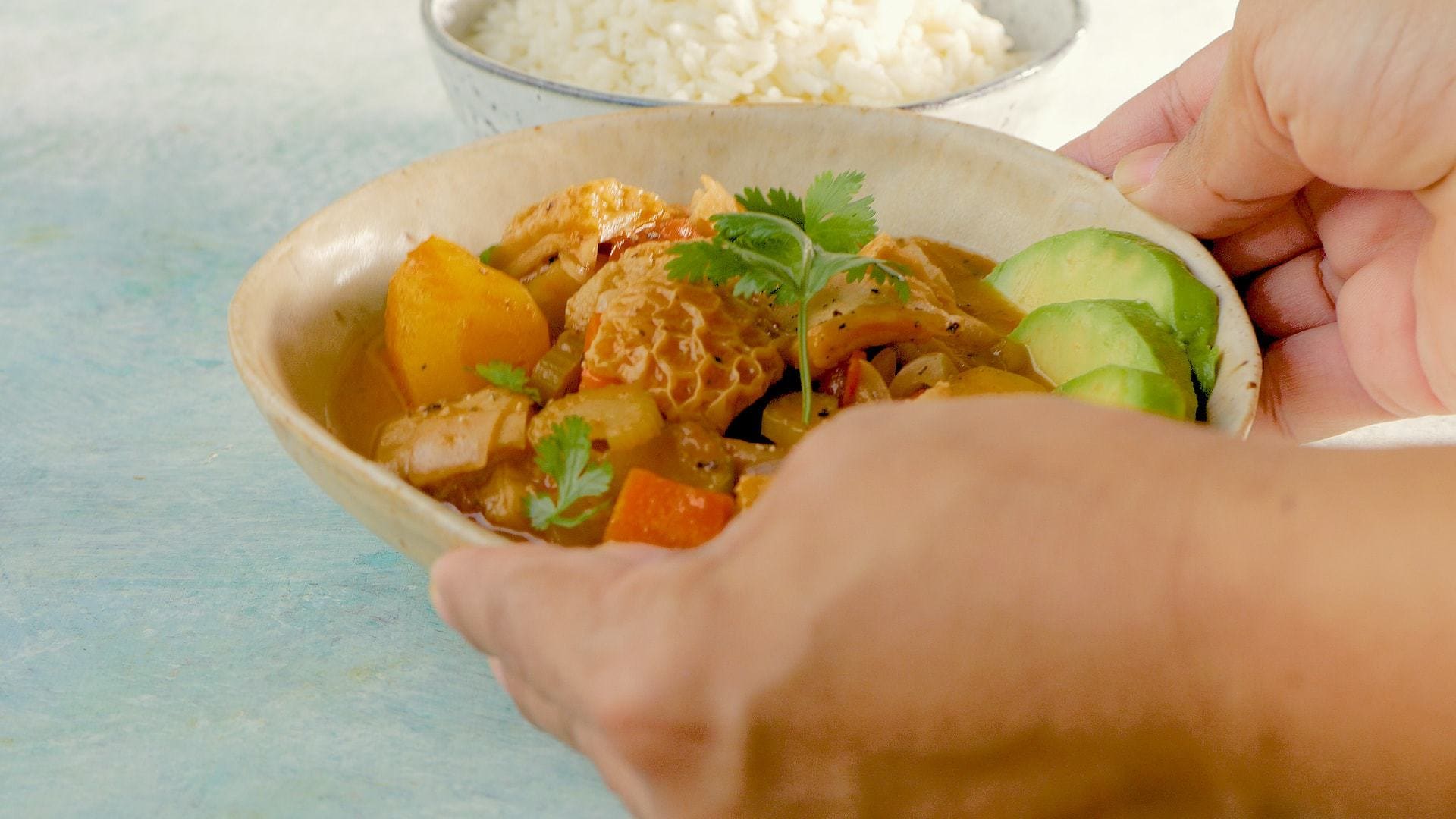
Oh, that's easy: arroz blanco (white rice), which for us goes with almost anything. Avocado is always welcome (we love that thing!). Tostones (fried green plantains) are a nice extra treat. Some people serve it with yautia or yuca hervida (boiled cassava), one of our favorite root vegetables.
And if you really want to impress a Dominican, serve some agrio de naranja (homemade spicy vinegar) alongside, though whatever hot sauce you have in your fridge would do in a pinch.
Top tips
- Mondongo (tripe stew) is made from either beef, pork, or goat. The first two are easier to find, and, thus more common.
- As mentioned above, mondongo in our country refers to any or all of the stomach, intestines, and honeycomb tripe. I have used honeycomb tripe for this recipe because it's easier to find. The same process will be used if you add or substitute these cuts.
- You can store the leftovers in an airtight container in the refrigerator overnight or freeze them for up to a month.
About our recipe
We Dominicans have a complicated relationship with mondongo, we love it, but we are -unsurprisingly - also very picky about where we eat, and who we eat it from. This is my family recipe, but everyone swears by their own secret ingredient and method, so there are about as many recipes as there are Dominican home cooks.
There are some versions where it is mixed with pork or beef trotters, but we have a separate recipe for the solo dish. Some call a mixture of these two dishes "patimondongo", a mouthful, in more than one sense.
Different vegetables are added to mondongo depending on the cook's taste, and family tradition. Is your Mondongo recipe different? We'd love to hear about it.
This recipe yields 4 generous servings or 6 modest ones.

Video
Recipe
This awesome free recipe contains Amazon affiliate links, we receive a small commission from any purchase you make at no extra cost to you. Thanks for your support!

Mondongo Soup [Video+Recipe] Tripe Stew
Ingredients
- 1 pound pork or beef honeycomb, bleached and clean [0.45 kg]
- 3 cilantro sprigs, (or parsley)
- 1 teaspoon salt, divided (or more, to taste)
- ¼ teaspoon pepper (freshly-cracked, or ground)
- 2 limes, or lemons, if you can't find limes
- 2 tablespoon vegetable oil
- 1 large red onion, chopped into small cubes
- 1 teaspoon mashed garlic
- ½ cup chopped celery
- 1 bell pepper, diced
- 6 plum tomato, diced
- ¼ teaspoon oregano (dry, ground)
- ½ cup tomato sauce, (or 3 heaping tablespoons of tomato paste)
- 3 potatoes, large, cut into cubes
- 1 large carrot, diced
- 1 teaspoon agrio de naranja, or hot sauce (may be omitted)
Instructions
1. Cleaning the honeycomb
 Peel off fat and lining. Wash with abundant cold water.
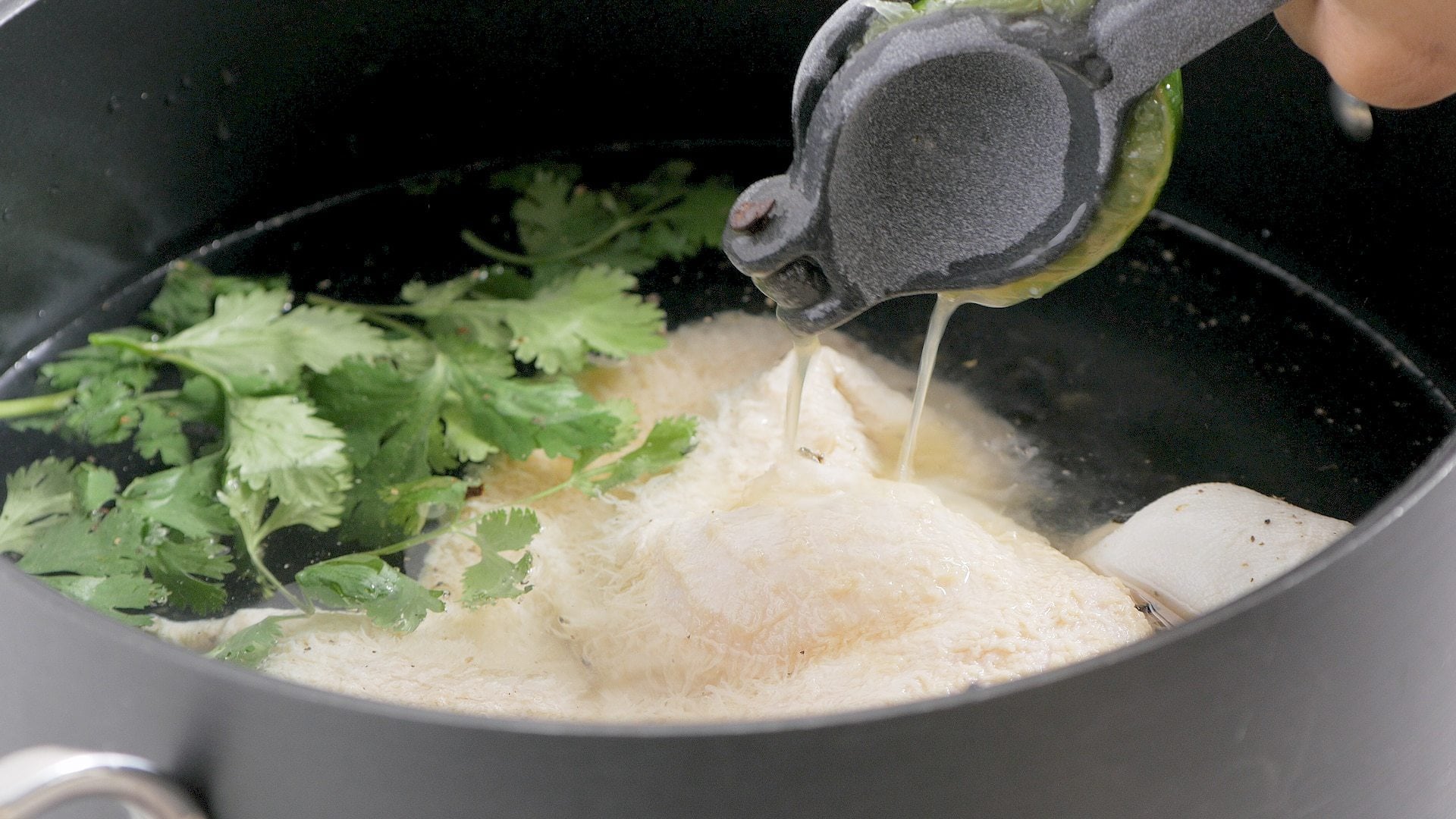
2. Boiling the honeycomb
- Place the honeycomb in a large pot. Add cilantro, a teaspoon of salt, and ground black pepper. Pour in half a gallon [2 liters] of water and add the juice of two limes (or lemon juice). Boil over medium heat until the honeycomb is fork-tender, adding water as it becomes necessary to maintain the same level. This may take a long time: 1 to 3 hours in a conventional pot. You can shorten this by using a pressure cooker, where it may take 30 to 60 minutes.
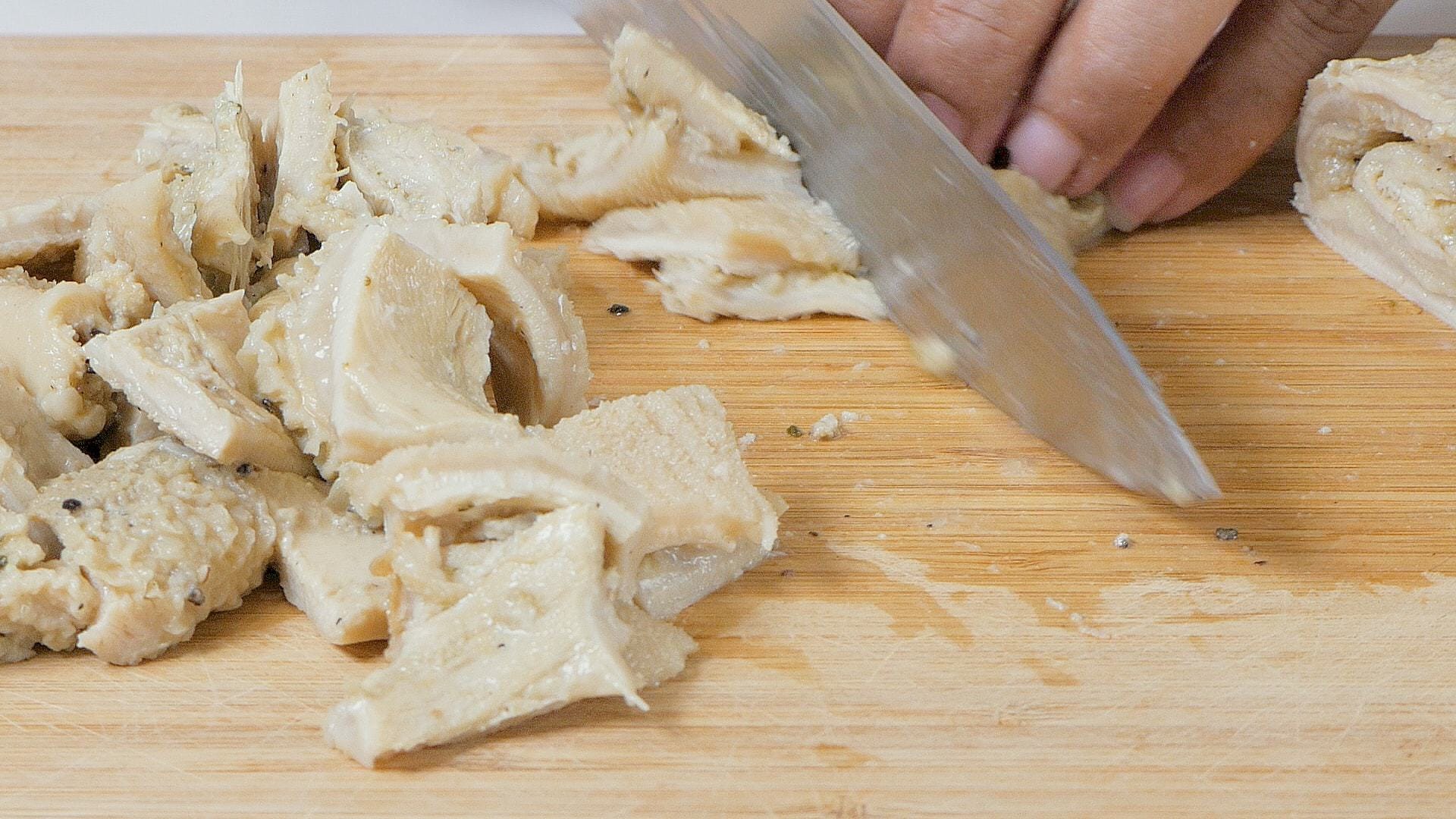
3. Chopping the honeycomb
- Remove the honeycomb from the heat and discard the liquid. Cool to room temperature. Cut into spoon-sized pieces.Set it aside.
4. Cooking the vegetables
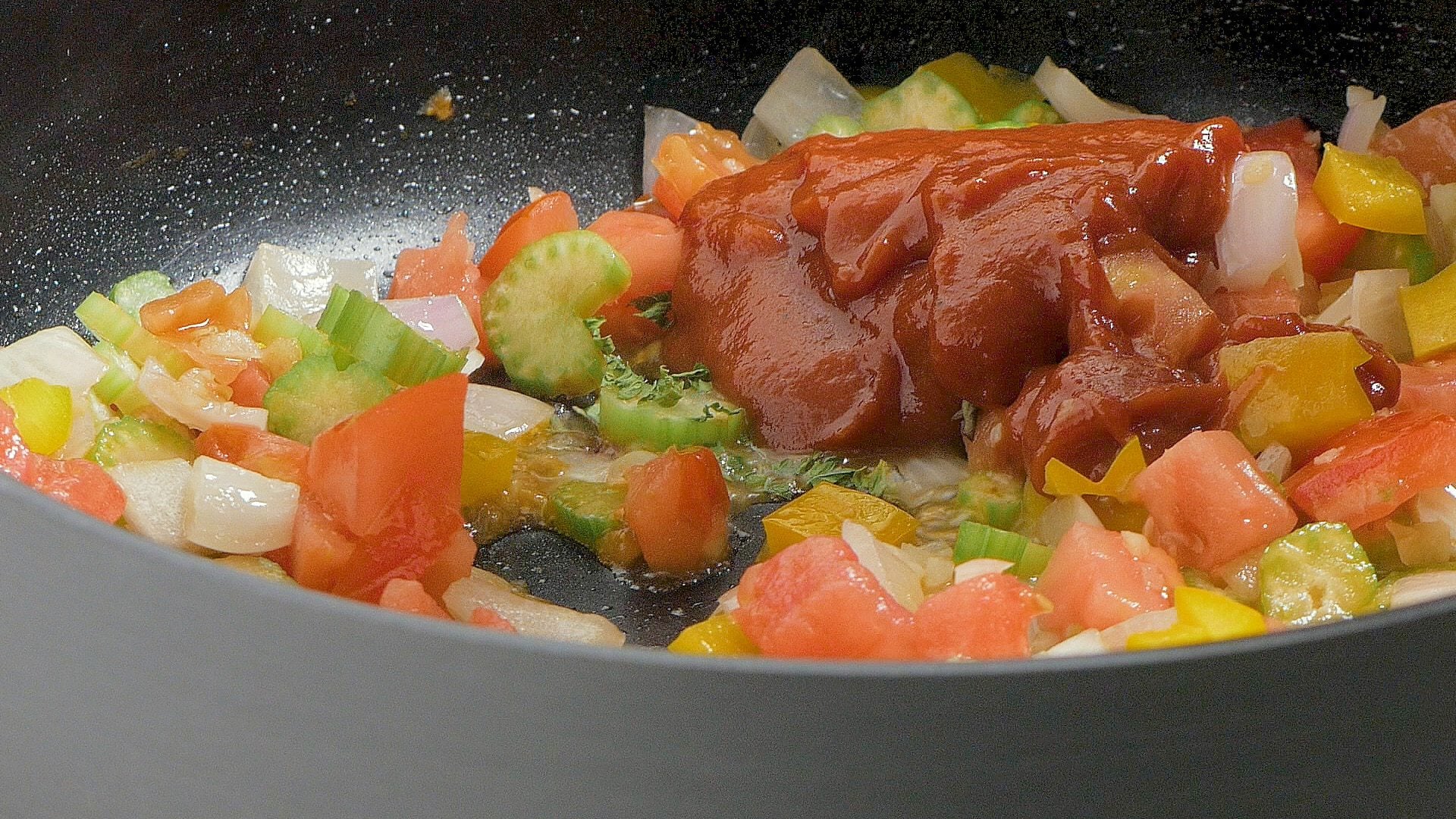
- In a pot heat the oil over medium-low heat. Stir in the onion and garlic. Cook and stir until the onions become translucent. Stir in celery, peppers, and tomatoes. Cook covered for a couple of minutes. Add oregano, and pour in the tomato sauce and stir.
5. Cooking the mondongo
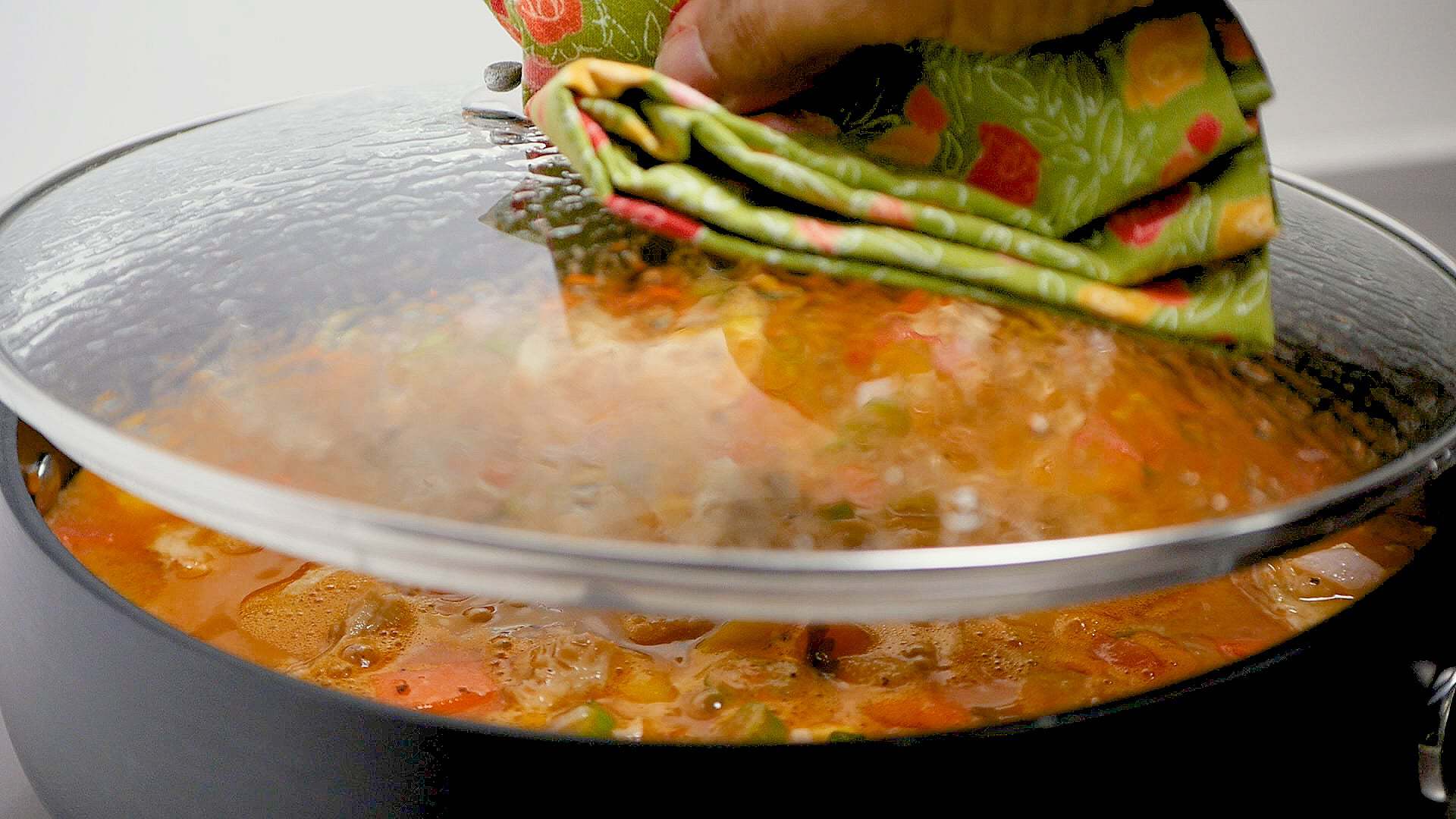
- Add the honeycomb, carrot, and potato. Cook stirring for a couple of minutes. Pour in Add 3 cups of water. Simmer covered over low heat until the potatoes and carrots are cooked through (about 15 minutes). Taste and season with salt and hot sauce to taste. Remove from the heat.
6. Serving
- This should be served as soon as it comes off the stove. If you are not going to eat it right away, reheat right before serving. Serve with arroz blanco and avocado.
Cook's Notes
Nutrition
Nutritional information is calculated automatically based on ingredients listed. Please consult your doctor if you need precise nutrition information.
Want to save this recipe?
Enter your email & I'll send it to your inbox. ❤️ Plus, get great weekly recipes from me!

- Learn more about me and the humans behind this blog.
- Share your questions and comments about this post.
- Subscribe to receive our recipes and articles by email.
- Please stay in touch! Follow us on: