

The art of recipe writing (even more so in our case) could be defined as chronicling an undocumented tradition and putting it into a standardized form. This is far easier to explain than to do well, and it requires an amount of effort that would almost certainly surprise you.
By - Reviewed: . Original: May 4, 2016
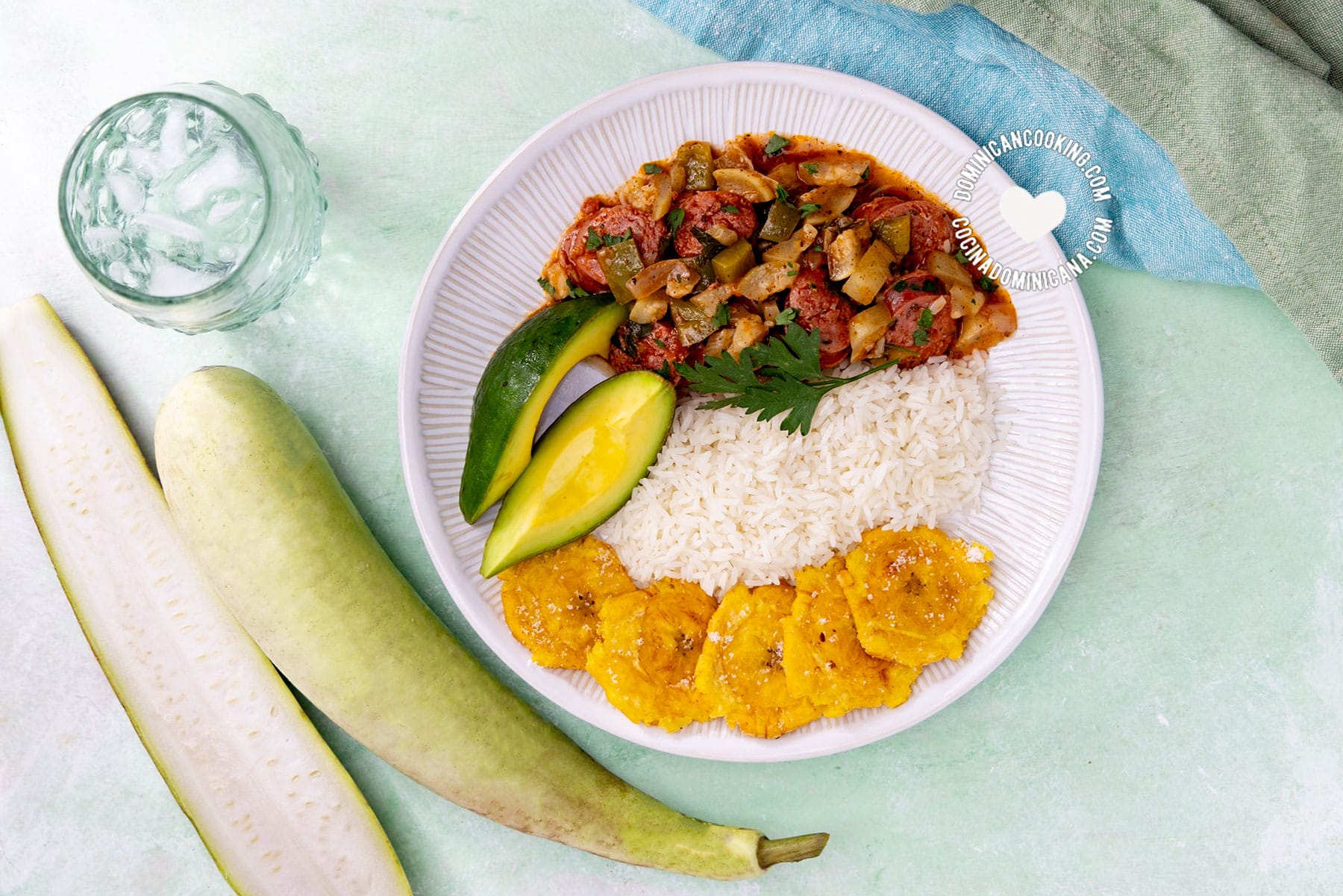
Cooking a la Dominicana
Although our traditional recipes have evolved over generations, they were not always recorded in writing. Instead, the particular ingredients, skills, and processes that go into making these dishes have been passed from cook to cook, usually but not always the womenfolk: mothers to daughters, grandmothers to granddaughters, aunties to nieces. Rarely in writing but verbally - more often than not combined with the all-important learning by watching, observing, and repeated practice.
Written recipes in cookbooks, not to mention food blogs, are a relatively new phenomenon.
When chronicling a classic, explaining a recipe in a way that will be completely clear to a wider audience is not as easy as it sounds, especially when the source material has come from your tía, mami, or abuelita, without forgetting the occasional male relative or even la vecina and la suegra.
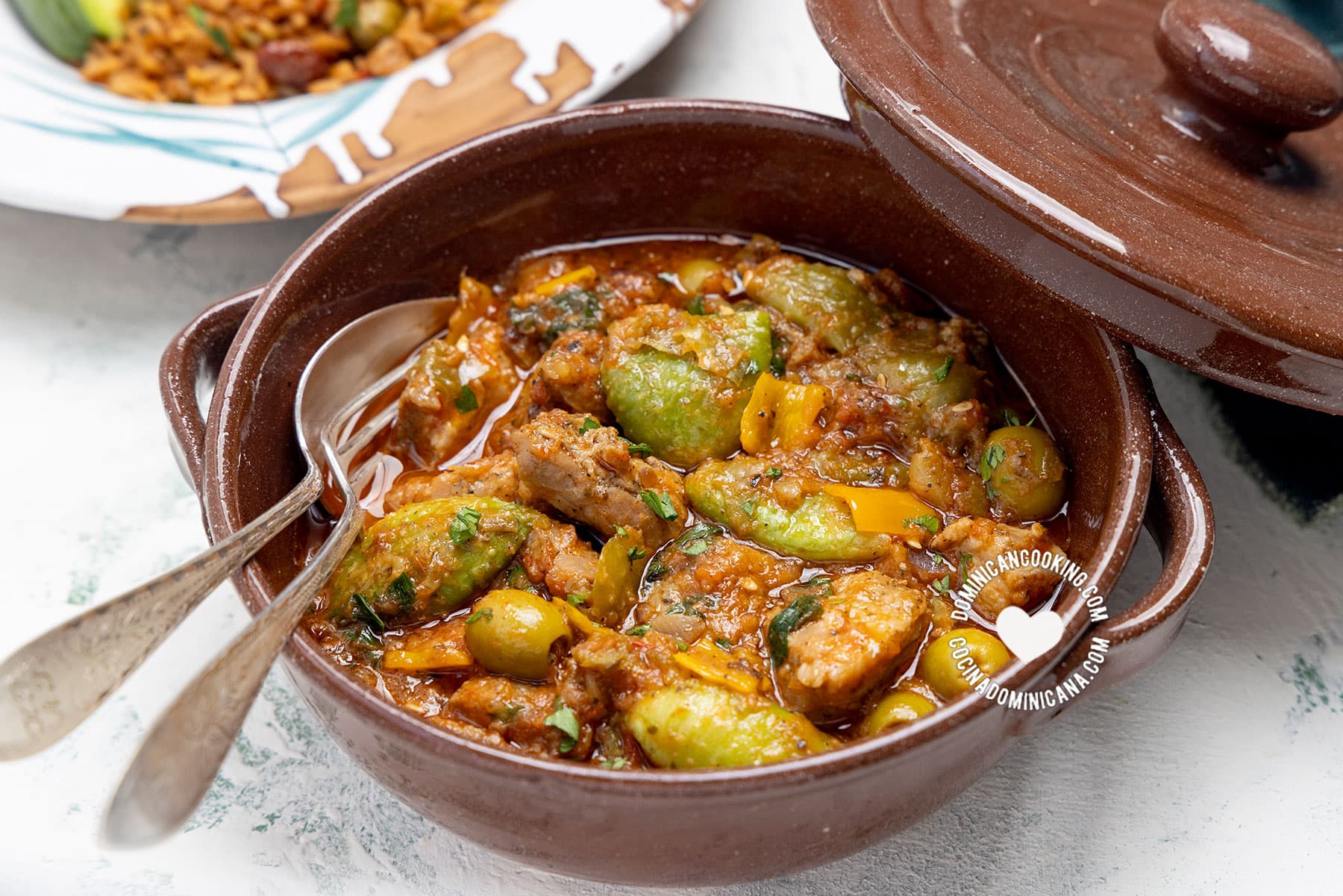
Chines, chinchines and chililines
You have to admit that even the best cook among them can often be annoyingly vague. Un chin… una chispa… un chinchín and even un chinchilín - are what pass for measurements, so not what we would call scientific or 100% consistent or reliable.
Or how about:
- Mami, how long does this rice need to cook?
- How long? Until it's done!
Does that sound familiar? It may work when you're looking over mami's shoulder in the kitchen and learning by doing, but when using written media like books and blogs to explain how to prepare a dish, if we want to make any sense, we have to make sure there is little or no room for ambiguity and misinterpretation.

Successful recipes
In practical terms, for a successful recipe writer, this means testing out the recipe and recording the measurements so there can be no confusion. This is why standard measurements: teaspoons, tablespoons, cups, ounces, and pounds are used - and only the very occasional "pinch".
A recipe must also list all the ingredients - nothing worse than encountering new items in the method description once you've already started cooking, only to find you don't have it available. However, some recipe-writing experts suggest leaving water out of the ingredient list, as it is something everyone has on hand. We stick to this advice, but list water if it is necessary to do something with it first (boiling, cold, ice-cold).
Another important detail you may not have explicitly noticed when following recipes is that many make a point of listing the ingredients in the order they appear during the preparation process - which is very logical and practical. If the recipe is made up of several components, the ingredients may also be grouped for each element, like the sauce, the topping or the filling.
We also specify cooking times or descriptive indicators like "until soft but not mushy," "al dente," or "when all the liquid has been consumed."
Some cookery writers use more poetic descriptions like "when the fragrance begins to rise," but this may be a little too subjective and open to misinterpretation.

And with cooking times, as we have pointed out in the past, nothing is completely set in stone. So no matter what the recipe says, you sometimes have to use your own common sense and remove the pot from the heat before it actually begins to burn. Finally, the descriptions have to be clear without being too wordy or too vague. The writer must never assume that readers are able to guess what she means without spelling it out.
All this also applies to our other, non-traditional recipes, which are our own concoctions or adaptations of well-known favourites and flavors, to which we add our own twist.
Buen provecho!


- Learn more about me and the humans behind this blog.
- Share your questions and comments about this post.
- Subscribe to receive our recipes and articles by email.
- Please stay in touch! Follow us on: