

In the long list of words in Dominicans' culinary glossary, this is a uniquely Dominican term. But what is "una fría"? Sit down with me, let's share one, and I will explain to your the ins and outs of Dominican beer culture, and some other words that'll come handy on your visit.
By - Reviewed: . Original: Sep 12, 2004
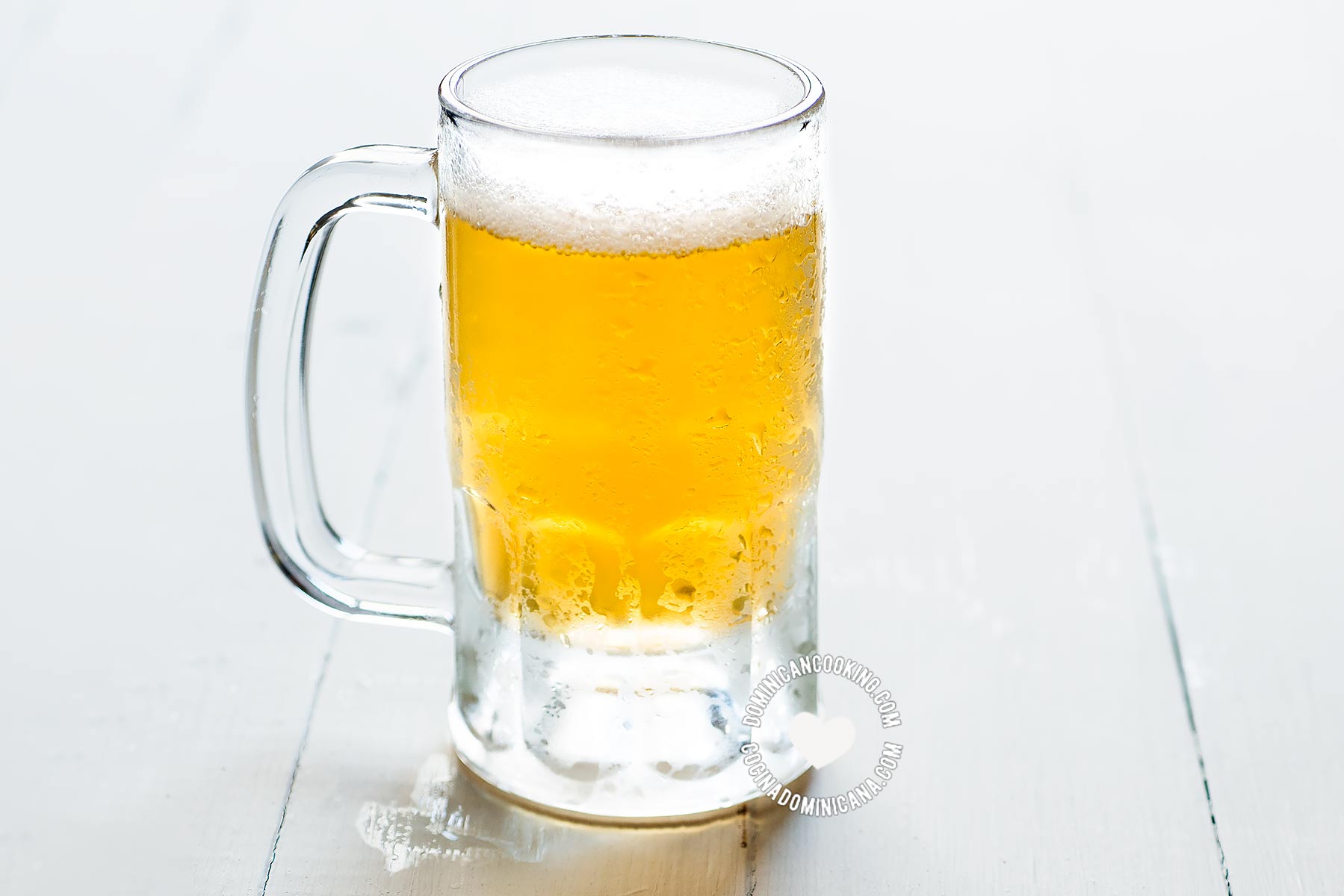
The fría
Let's cut to the chase: Fría means "cold" in Spanish, and it's how Dominicans cutely refer to a cold beer, served at the very low temperature that Dominicans prefer theirs. But there's more to it than just temperature, so read on...
We often talk about the distinction between the art and science of different types of food preparation, but what we have not tackled in depth, is the art - or is it a science? - of serving beer, iced to perfection, Dominican-style.
Dominicans are famous for their laid-back approach to most things in life. Pursuit of pleasure is a national sport in this lively Caribbean culture. People as a rule do not dwell on the negative, despite the fact that life for most is far from easy. The hardships of life are shrugged aside with comments like ¿y es fácil? and the fun begins.
When people get together whether for "la chercha" (lively gossip and chitchat) dancing, a heated 'tertulia' (debate, usually about cultural topics), a game of dominoes, a hearty meal, a trip to the river or the beach, the beers are put on ice and are downed as an inseparable part of the experience.
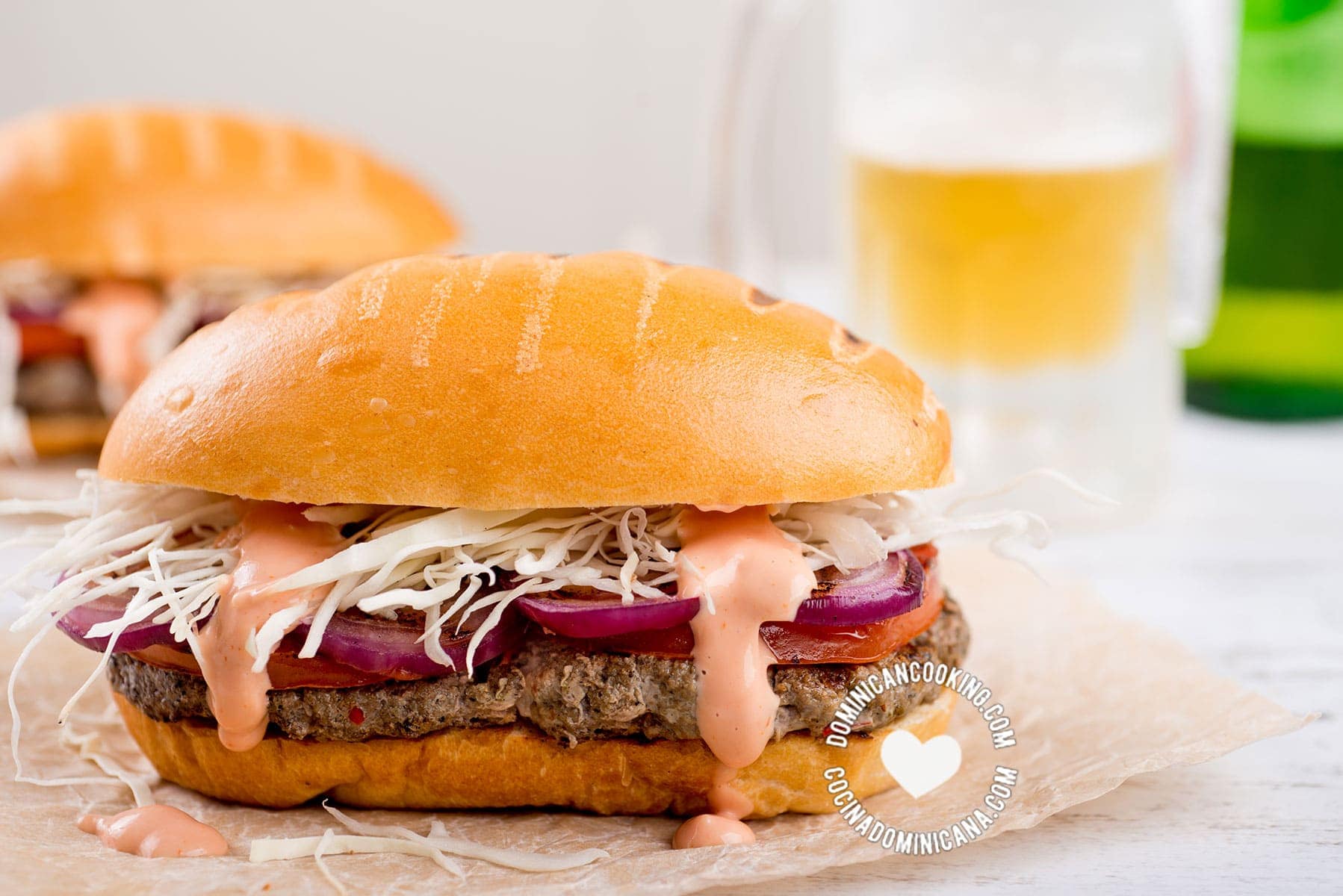
Dominican beer culture
Beer in the Dominican Republic is firmly intertwined with our gastronomic culture (hence this article), and beer can be served just as likely in street food stands, restaurants and fondas as it is in bars and night establishments.
But make no mistake: despite the setting, drinking beer is no carefree pursuit but a serious and meticulous business that has to be done in the precisely correct manner. It has intricate rules and regulations, and a long list of quasi-scientific terminology.
Wine snobs beware: you have serious competition here.
Up there with serving easy-cook rice (spit!) and instant coffee (seethe!) one of the greatest social gaffes one can make in Dominican company is to serve a beer that is anything but "en el punto".

This is where the refrigeration and serving of beer becomes both a science and an art. A Dominican drinks his or her beer just short of freezing. If ice crystals start to form or the foam begins to freeze, it is too cold.
In colmados, bars and restaurants the beer is refrigerated in special fridges, something in between a fridge and a freezer, which keep the bottles at the optimum temperature.
In Dominican homes, the beer is ordered from the colmado "bien fria" (very cold) but is still placed in the freezer compartment for a good few minutes before serving.
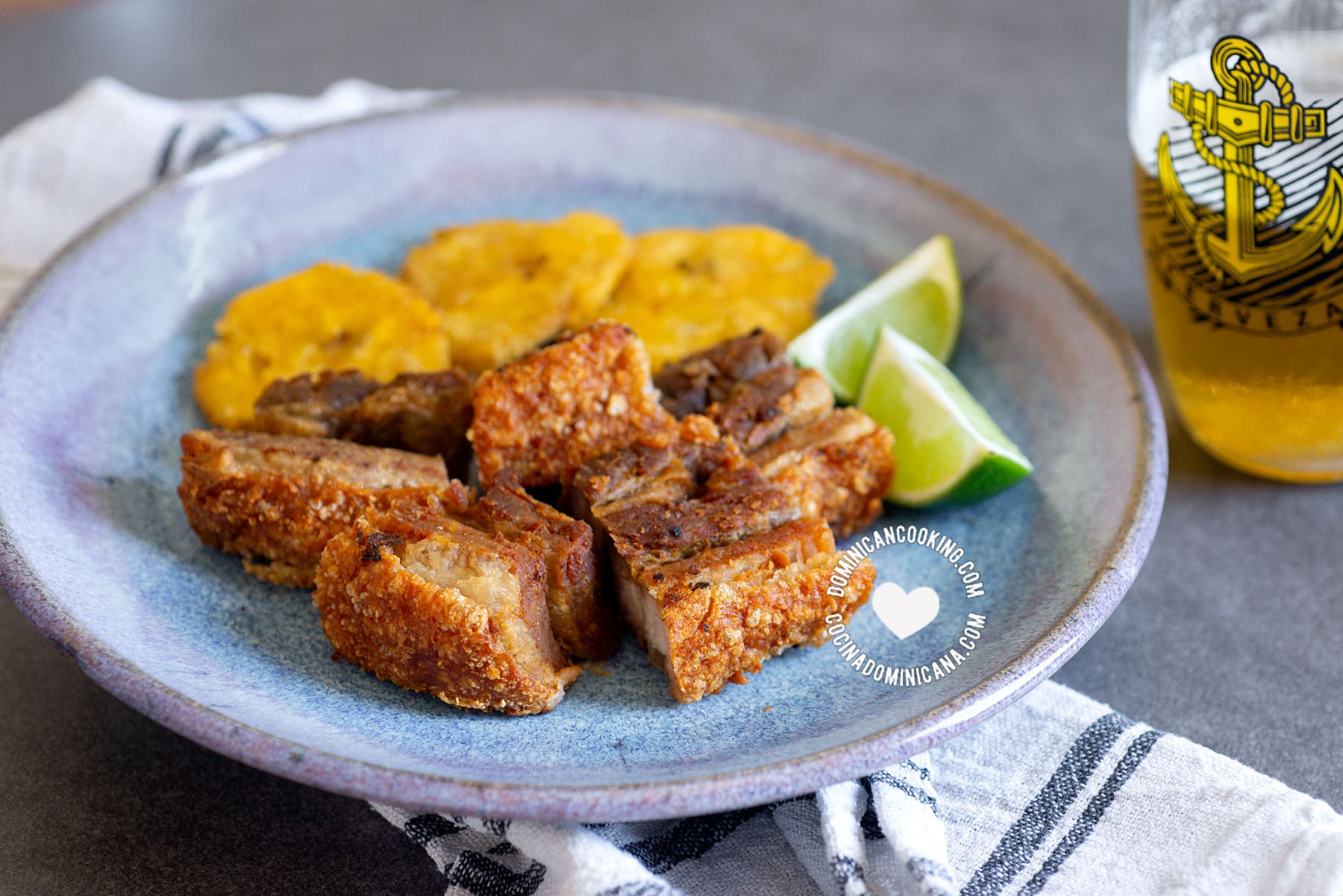
Dominican beer is pilsner beer, which is traditionally served ice-cold all over the world, but it is not unheard of to be served a beer at room temperature in certain countries. Now for my obligatory bit of Brit-bashing: in the UK traditional beers like bitter are served "warm" so some people there still make the mistake of serving lager (pilsner) that is not sufficiently refrigerated.
Even in Spain where some bars and restaurants take the trouble to ice the glasses before serving the beer, it sometimes happens that they run out of cold ones and think nothing of handing you a warm bottle, to the extent that both myself and my Presidente-worshipping husband all but totally give up beer when we are outside the DR.
This would never happen in the DR, where even a bottle that appears to be nicely sweating in the heat can be returned with a sneer, universally recognised to mean 'not cold enough.
Serving beer in the DR
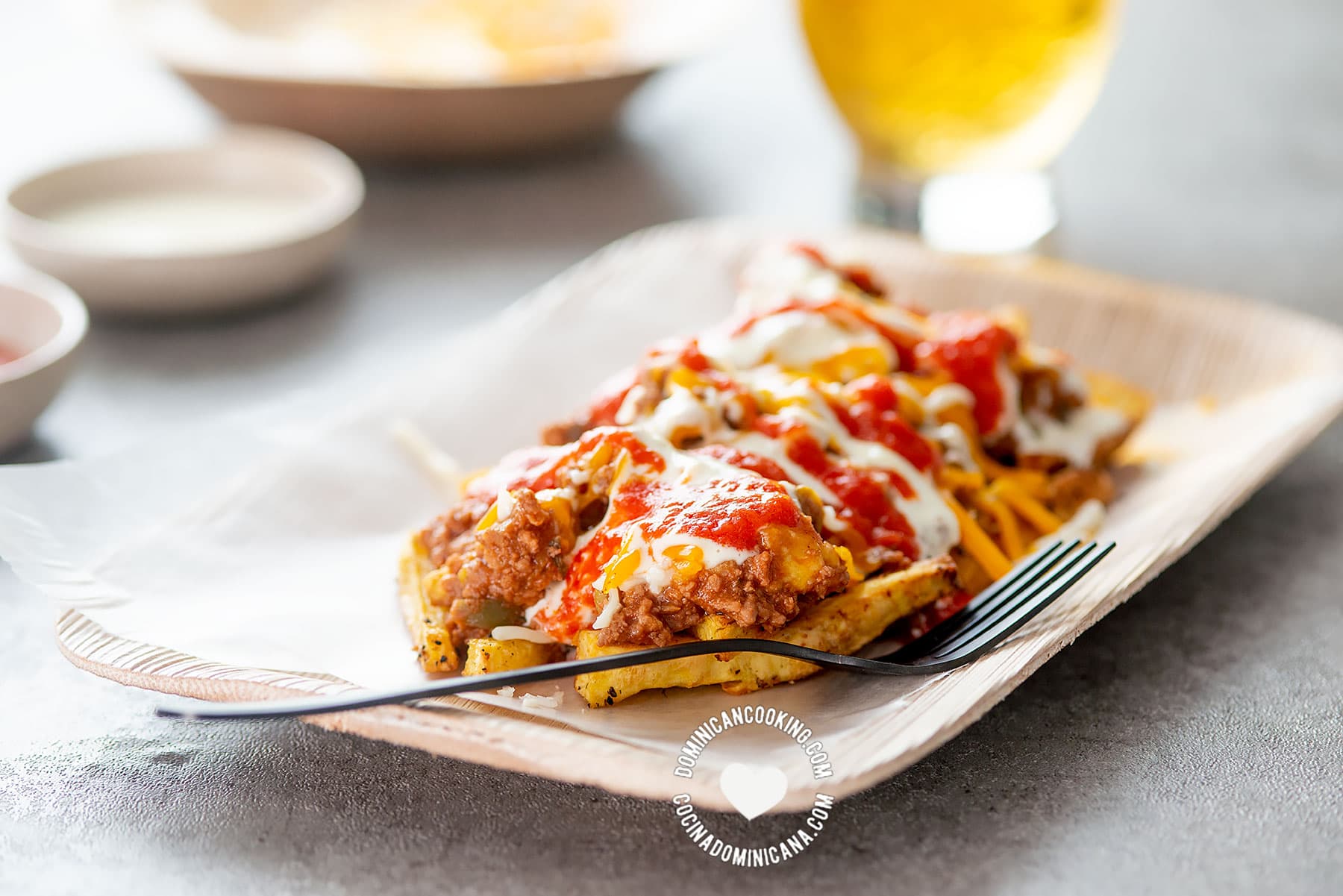
There is an entire terminology around the cult of ice-cold beer consumption: Most people simply say "una fria" (a cold one) when they ask for a beer, just in case there was any confusion. The coating of ice that forms on a perfectly iced bottle is reverently called 'vestida de novia' (in bridal gown). Another commonly-used expression is "ceniza" (ashen).
I have already mentioned "en el punto" meaning the exact point of perfection, before the ice crystals form.
"Caliente" which literally means hot, is the disdainful adjective applied to a beer that has been out of the fridge for just a few minutes.
The "hot" dregs are discarded and a new bottle - resplendent with a frosty coating - is requested.
With smaller beers (12 ounces [355 mililiters]), you may -in an informal setting - drink it "a pico de botella", or straight from the bottle (serve the bottle wrapped in a paper napkin). Larger beer bottles or "una grande" (22 ounces [710 mililiters]) are for sharing, and are served poured into a -preferably chilled- glass.
Another important tip is that Dominicans prefer their beer with a smaller "head", so the beer is poured starting almost horizontally to produce the smallest amount of foam possible.
Art or science, this is one area where Dominicans deserve a Nobel Prize, to put up on the shelf along with our recently-acquired first Olympic gold medal, if not for the quality of the beer then for the way it is served.
By the way, the way to toast in the Dominican Republic, is with the exclamation "health!" or "to your health!". Like this:
¡Salud!

In collaboration with Tía Clara

- Learn more about me and the humans behind this blog.
- Share your questions and comments about this post.
- Subscribe to receive our recipes and articles by email.
- Please stay in touch! Follow us on: