

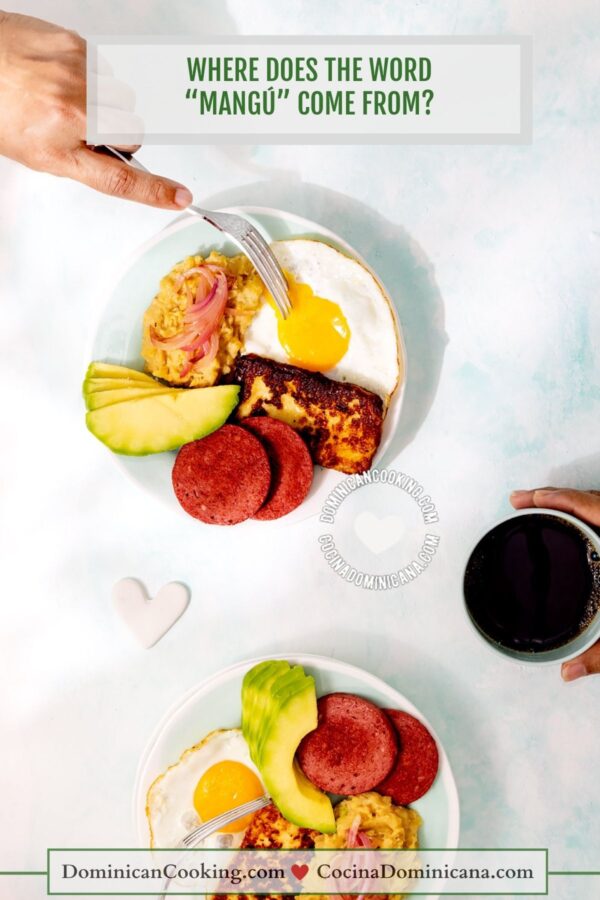
One of our most beloved dishes, and base of the most Dominican breakfast, if you're curious about its history and about the origin of the word mangú, this is what we know for sure.
By - Reviewed: . Original: August 26, 2012
Mangú, plantains, and Hispaniola
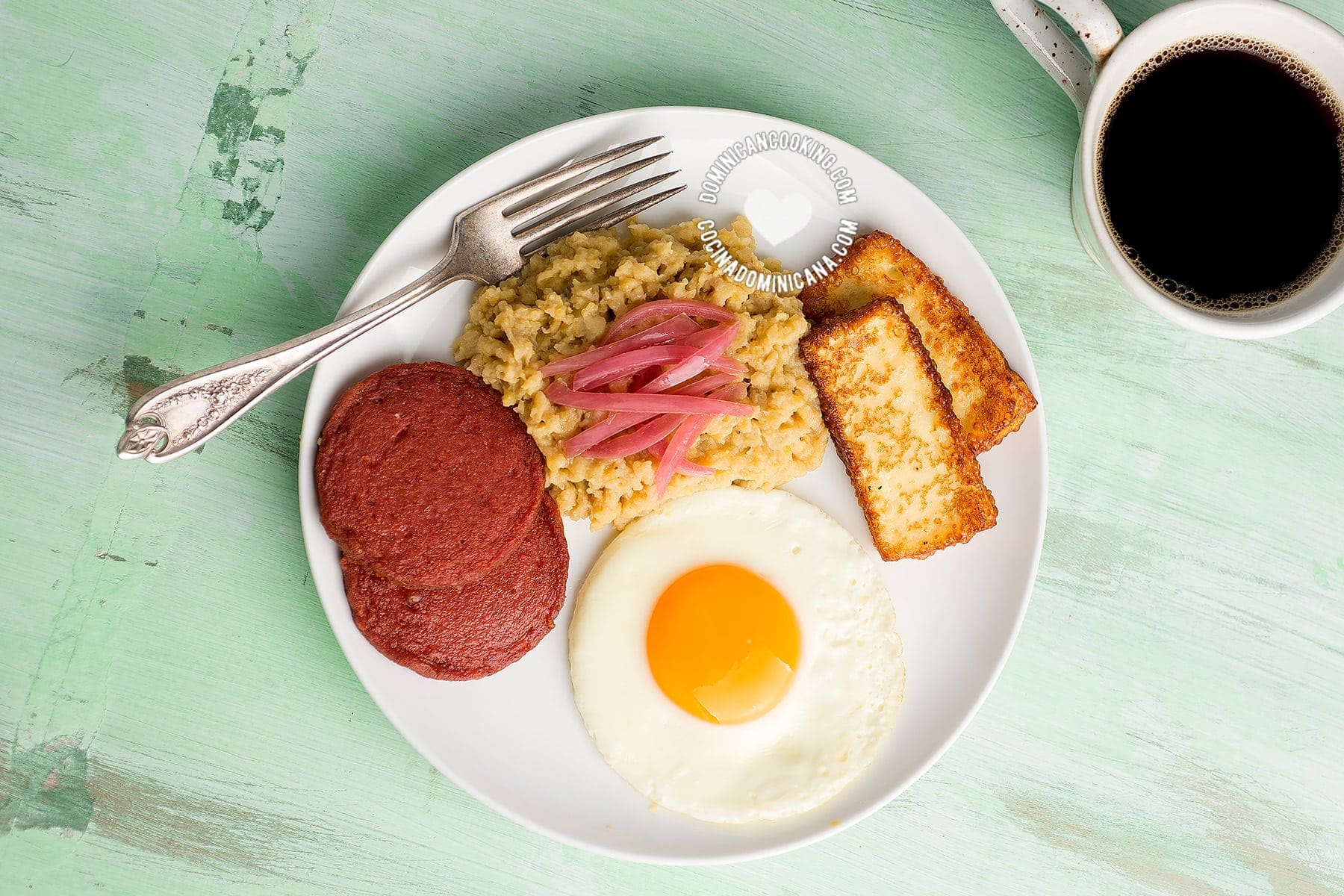
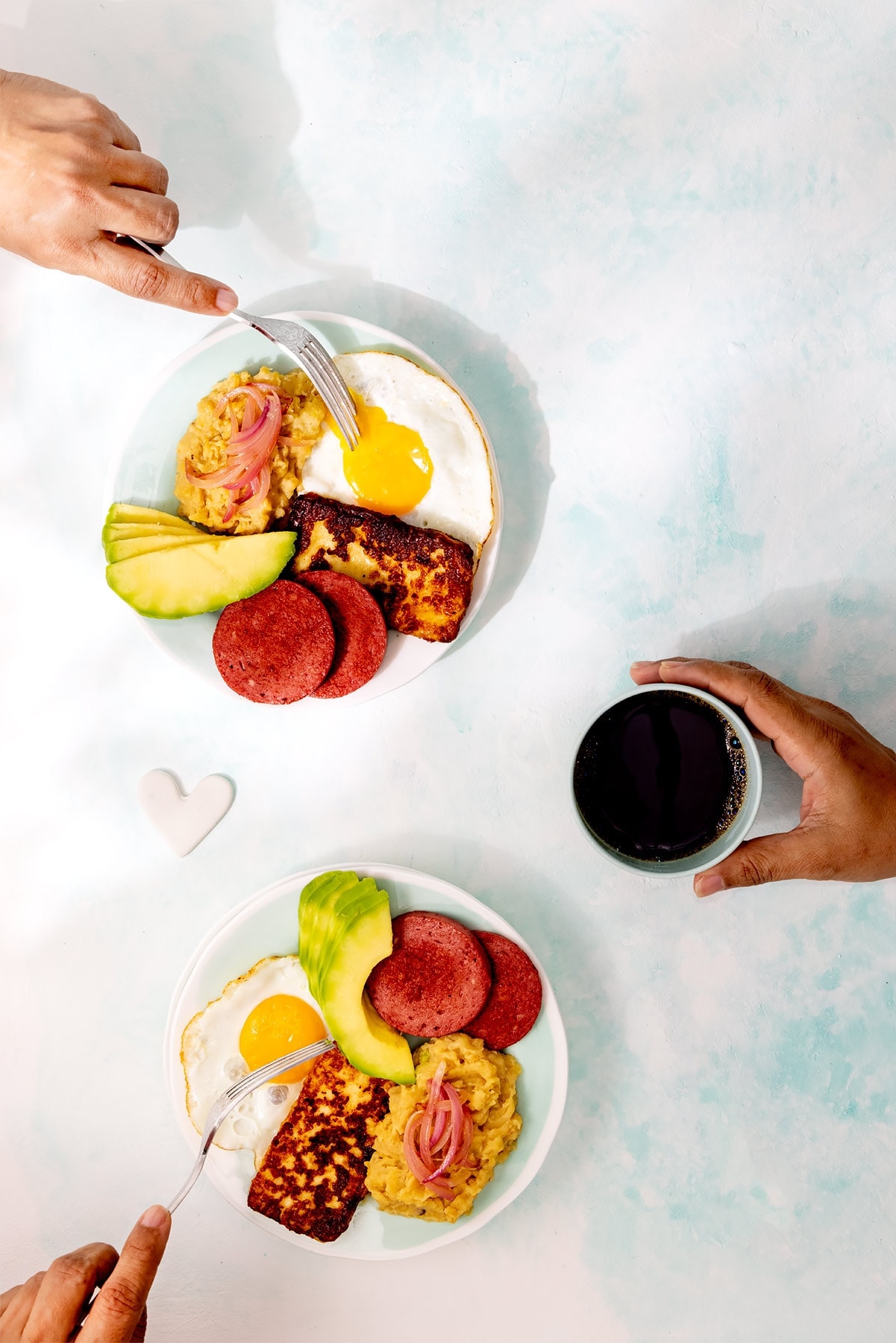
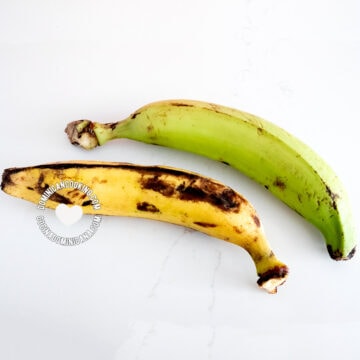
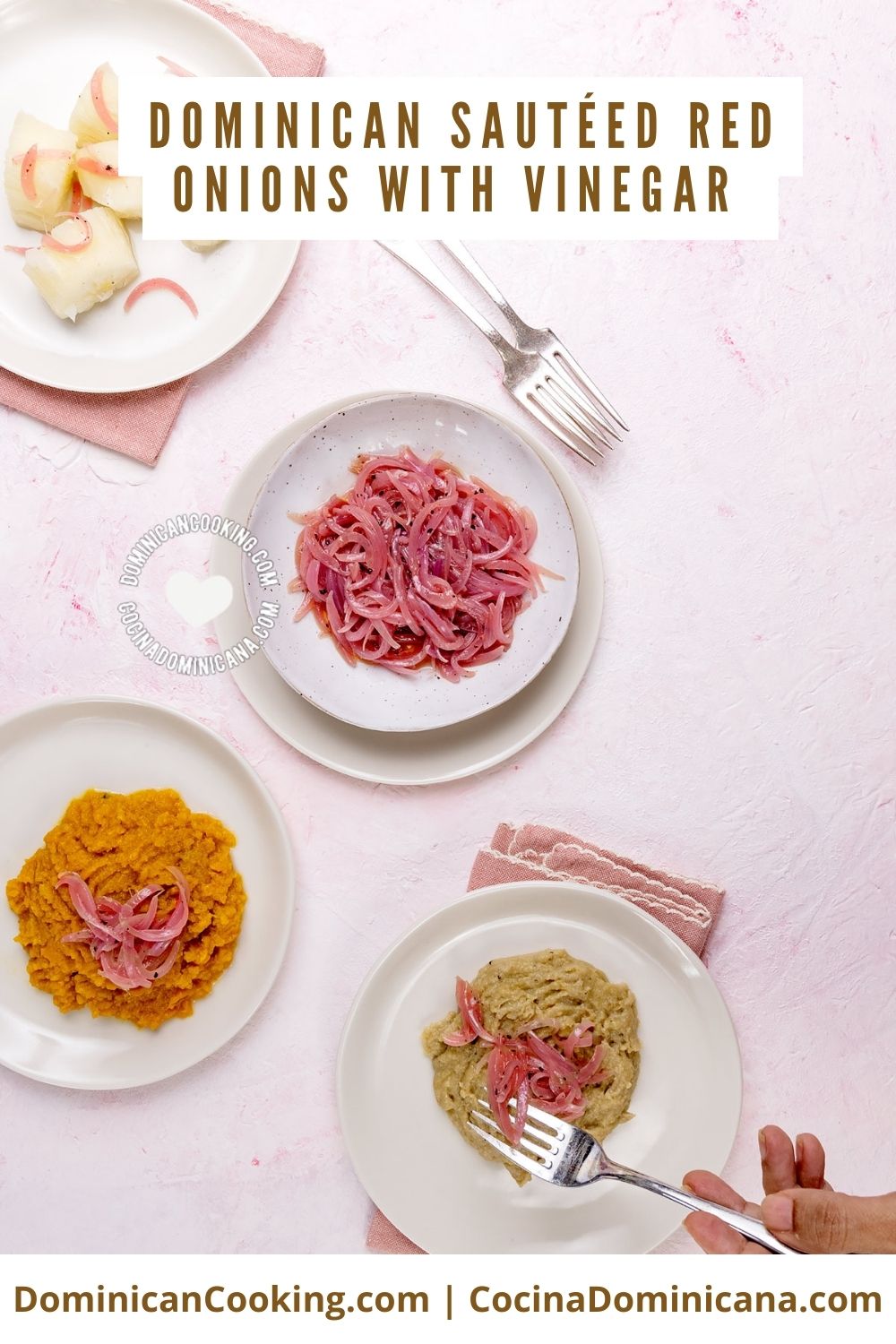
Mangú is a Dominican dish made by mashing boiled green plantains, combining it with some fat, and topped with Sautéed red onion with vinegar.
"Boil the plantains, mash them well, then add a prepared garnish made by briefly sautéing the onions in hot lard and vinegar, and seasoning with salt." (my translation)
- Amanda Ornes, 1938 (1)
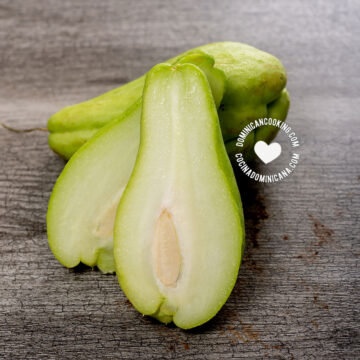
Plantains arrived in Hispaniola (the island currently shared by the Dominican Republic and the Republic of Haiti) from the Canary Islands in the early 1500s (2), about a decade after the first enslaved Africans were brought to the island by the Spanish.
Plantain was at the time an already established crop in West Africa.
The "man, good!" theory
There's a cute apocryphal story going around that explains that mangú got its name from the expression "man, good!" (which makes no grammatical sense, anyway) supposedly uttered by American soldiers during the American occupation of the Dominican Republic when they tried mangú.
This is certainly not the origin of the name, and a great example of folk etimology or false etimology.
Conveniently, that origin story doesn't even mention which American occupation. By the second American occupation in 1965, mangú had already appeared in various Dominican books dating decades prior (1).
A dictionary of Dominican words published a mere 24 years after the 1916 occupation makes not mention of this. (3)
And to put the whole theory to rest, an article that appeared in the Listín Diario newspaper in 1899 --17 years before the first American occupation of 1916 -- already mentions the word and the dish. (4)

The "mangusi" theory
But the theory that it came from the Congolese word mangusi has swept the internet, but no evidence is offered, and it's just repeated with nary a proof.
The first time the word mangusi, as the purported ancestor of mangú, appeared online seems to be in a September 2011 article that sources it from an unnamed speaker at the 2011 Plantain Festival in New York. (5)
I chatted with Magali Mutombo, a Congolese food writer (7) who reminded me that "We [Democratic Republic of the Congo] have so many ethnic groups, and over 250 languages." She has never heard the word mangusi.
It was through her that I learned there is a Congolese dish that originates with the Azande people, and consist of mashed boiled plantains quite similar to mangú, but it's called Lituma. (6) Unlike Dominican mangú, it does not contain onions.
I have not been able to find any dish of that name, even after consulting more than half a dozen publicly available dictionaries of Congolese languages. But proving a negative is nearly impossible, so it should fall on those repeating this to provide proof.
Where we are
It is still more than likely that the word and dish mangu are of African origin, as are many of our dishes, but it's difficult to draw a line to a specific dish, name, or country that I'd be comfortable calling definitive for lack of documentation.
We know that plantain did not exist on the island in pre-Columbian times (2), and that it wasn't consumed in continental Spain -it is still not part of Spain's culinary culture. The only other possible way it could have been introduced into our culinary DNA is via our African ancestors.
Various mashed plantain dishes are part of the traditional West African cuisine (like Matoke, and Fufu, the last one still surviving in Cuba). Be mindful that African Fufu can be made with other vegetables, not just plantain.
The word "mogo" for the Cuban fufú --the closest dish to mangu I've found in the Antilles-- was already in use over two centuries ago in Cuba and attributed to "la nigricia", referring to people of African descent (7). It's certainly possible that these names are related, but I have found no evidence of it, I am just thinking out loud.
I'll update this article if I ever find any more information about this.
Curiously, the word mangu is the part of the religious belief of the Azande people (the same mentioned above): Mangu is a magical substance that inhabits the stomach of witches and gives them their power. (8)
Perhaps not relevant, but a bit poetic, don't you think?

References
- Amanda Ornes de Perelló, Manual de Economía Doméstica. Sto. Dgo: Imp. La Información, 1938. P. 126, 127
"Se salcochan los plátanos, se majan bien; y se les pone un sofrito preparado echando un momento en la manteca caliente, las cebollas puestas en vinagre y condimentando con la sal." - Fernandez de Oviedo y Valdes, Gonzalo, Historia general y natural de las Indias, islas y tierra-firme del mar oceano, 1535
" [...] segund he oído a muchos, fué traído este linaje de planta de la isla de Gran Canaria, el año de mill e quinientos y diez y seis años, por el reverendo padre fray Tomas de Berlanga, de la Orden de los Predicadores, a esta cibdad de Sancto Domingo; e desde aquí se han extendido en las otras poblaciones desta isla y en todas las otras islas pobladas de cristianos, e los han llevado a la Tierra Firme [...]" - Manuel A. Patin M. Dominicanismos. Sto. Dgo: Ed. Montalvo, 1940. Pag. 110
"Mangú. Plátano verde cocido en agua con sal y amasado con un poco de esa agua y aceite o manteca." - Rodríguez Demorizi, Emilio, Lengua y folklore de Santo Domingo. Santiago, República Dominicana : UCMM, 1975. Pag 65, 66
- Uptown Collective - DR Travelogue: The Magnificent Mangu
"According to a gentleman who spoke at the festival, mangu originates with Africans from the Congo region who came to the island during the height of the slave trade. The man stated the original word was something akin to mangusi and referred to almost any root vegetable that was boiled and mashed." - The Blue Fufu - Lituma
- Esteban Pichardo. Diccionario Provincial Casi Razonado de Vozes y Frases Cubanas. Habana: Imp. El Trabajo, 1875
"[...]plátano salcochado y majado con manteca [...] En Bayamo se denomina Mogo." - USC Digital Folklore Archive - Azande Witchcraft

- Learn more about me and the humans behind this blog.
- Share your questions and comments about this post.
- Subscribe to receive our recipes and articles by email.
- Please stay in touch! Follow us on:

Comments
No Comments