

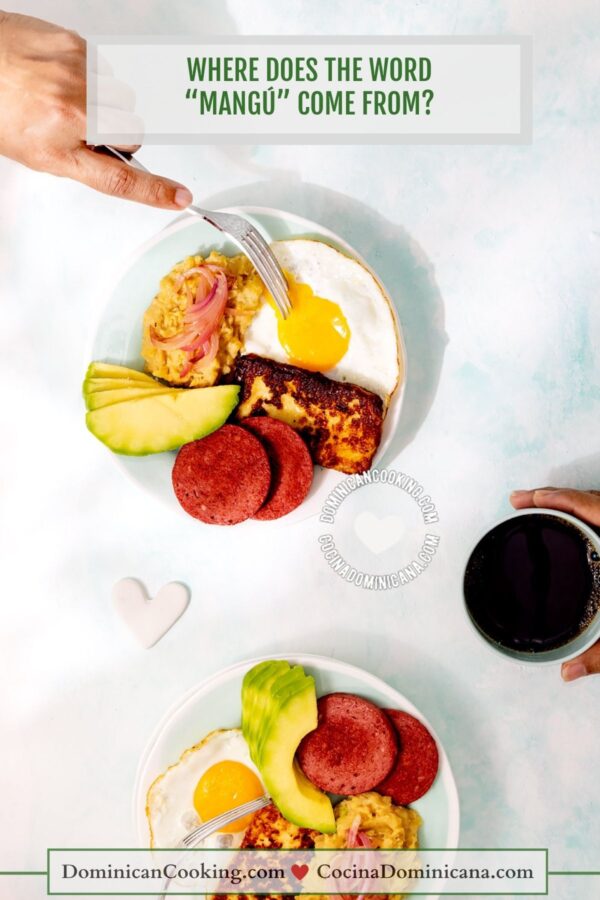
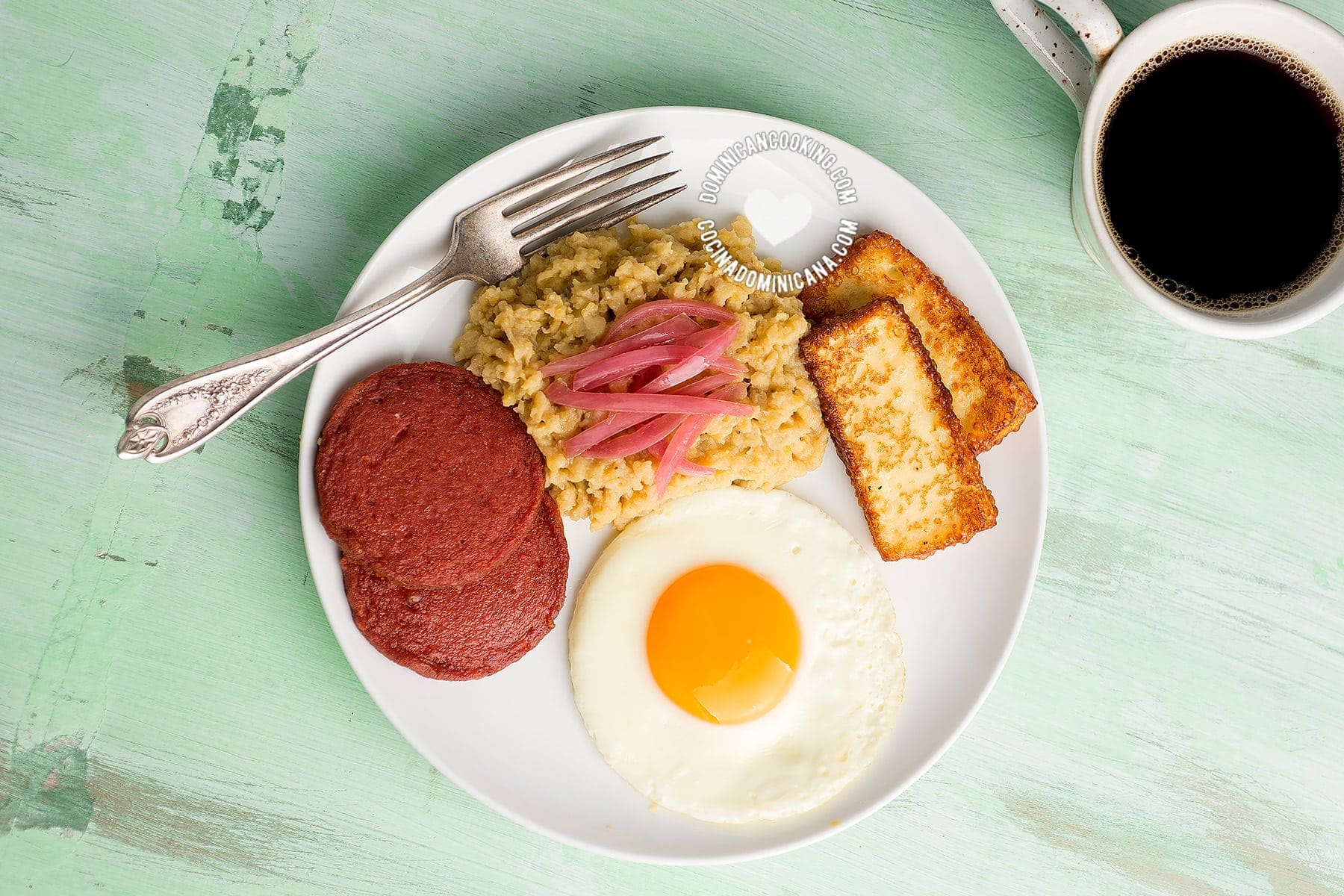
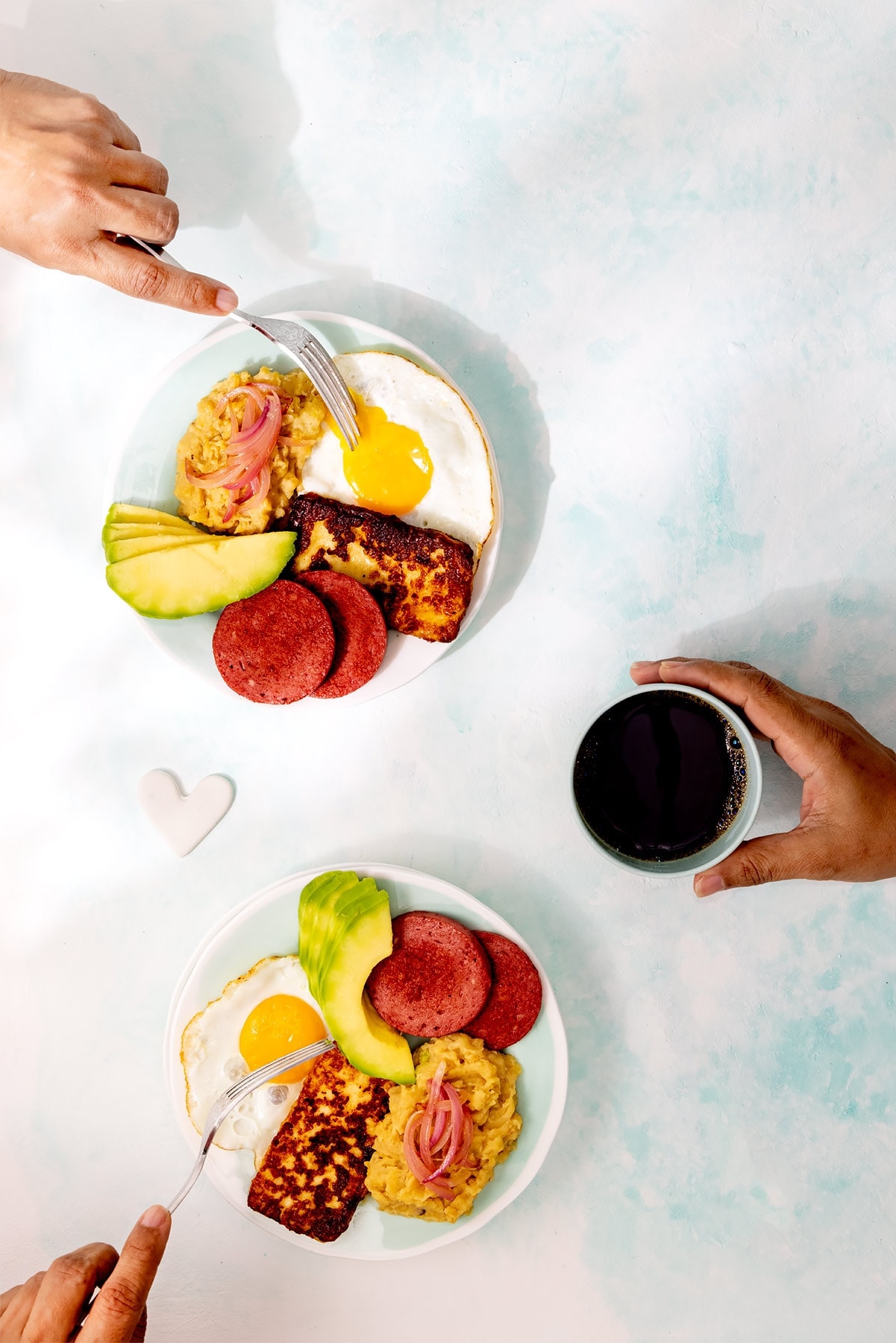
Mangú is one of our most beloved dishes, and base of the most Dominican breakfast. If you're curious about its history or the origin of the word mangú, you can start here.
By - Reviewed: . Original: August 26, 2001
Arrival of plantains
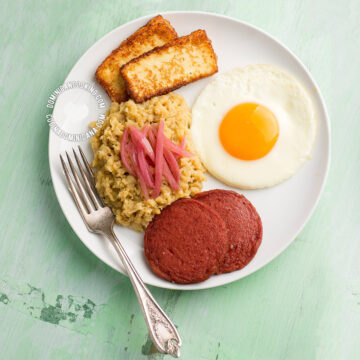
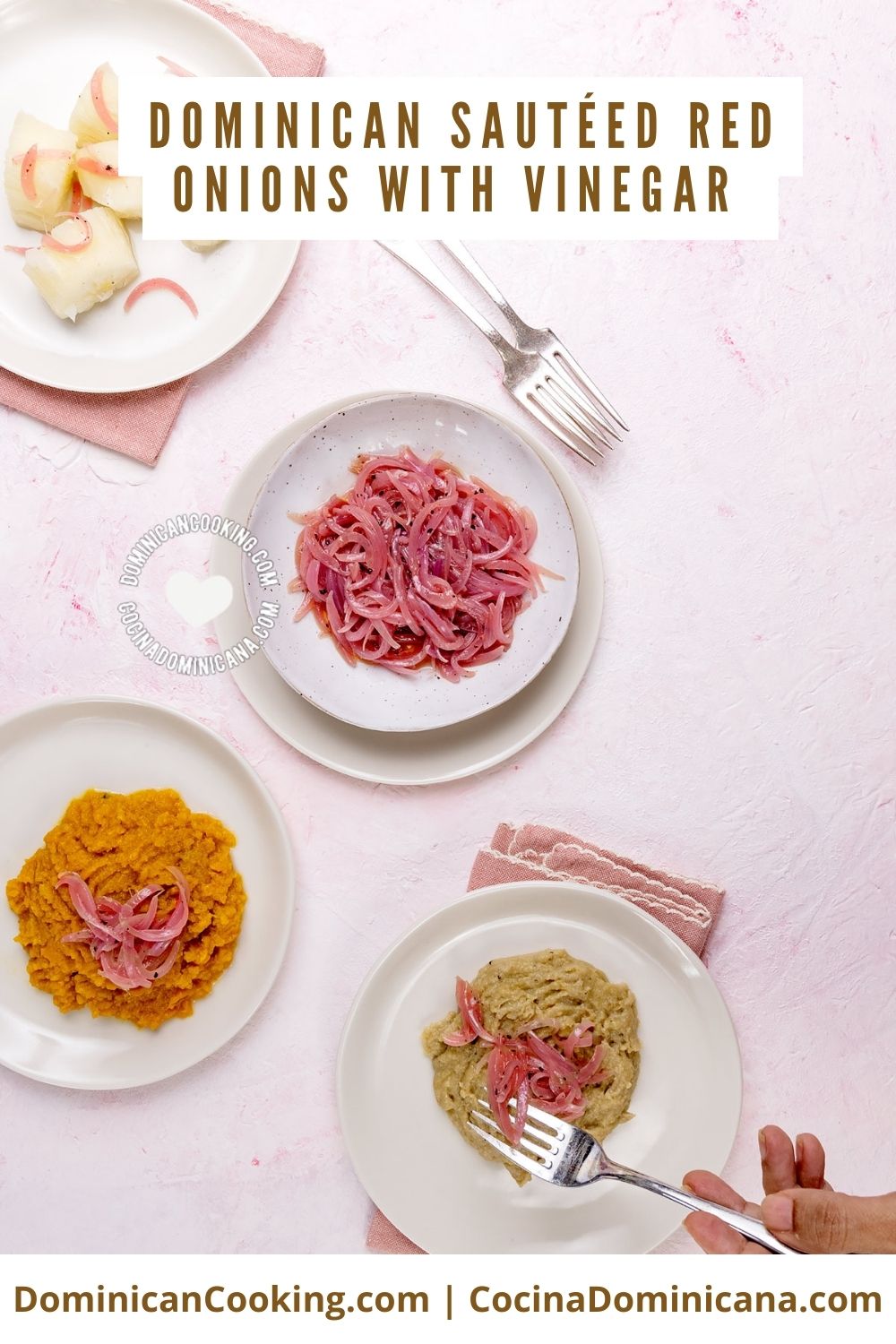
Mangú is a Dominican dish made by mashing boiled green plantains and combining it with some fat, and water, and topped with Sautéed red onion with vinegar.
"Boil the plantains, mash them well, then add a prepared garnish made by briefly sautéing the onions in hot lard and vinegar, and seasoning with salt." (my translation)
- Amanda Ornes, 1938 (1)
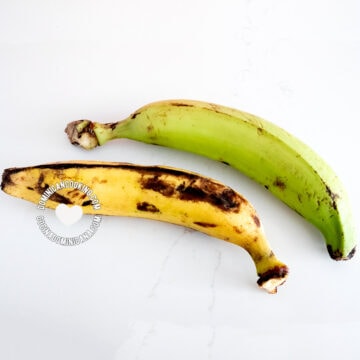
Plantains arrived in Hispaniola (the name of the island currently occupied by the Dominican Republic and the Republic of Haiti) from the Canary Islands in the early 1500s (2), about a decade after the first enslaved Africans were brought to the island by the Spanish.
Plantain was by then an already established crop in West Africa.
Learn more about plantains, and see all the dishes we make with it.
Why it's called mangu
Various mashed plantain dishes are part of the traditional West African cuisine (like Matoke, and Fufu, the last one still surviving in Cuba).
There's a cute apocryphal story going around that explains that mangú got its name from the expression "man, good!" (which makes no grammatical sense, anyway) supposedly uttered by American soldiers during the American occupation of the Dominican Republic when they tried mangú.
This is certainly not the origin of the name, and a great example of folk etimology or false etimology.
Conveniently, that origin story doesn't even mention which American occupation. By the second American occupation in 1965, mangu had already appeared in various Dominican books dating decades prior (1), and a mere couple of decades from the first occupation. None mention anything about this purported origin of the word.

The word "mogo" for the Cuban fufú --the closest dish to mangu we've found-- was already in use over two centuries ago in Cuba and attributed to "la nigricia", referring to people of African descent (4). It's certainly possible that these names are related, but we have found no definitive evidence of it.
It is still more than likely that the word and dish mangu are of African origin, as are many of our dishes, but it's difficult to draw a line that I am comfortable calling definitive for lack of documentation.
Curiously, mangu is also the name for a type of religious practice of the Azande people in Congo (where many of our African ancestors came from). Mangu is the magical substance that inhabits the stomach of witches and gives them their power. (5)
A bit poetic, don't you think?

References
- Amanda Ornes de Perelló, Manual de Economía Doméstica. Sto. Dgo: Imp. La Información, 1938. P. 126, 127
"Se salcochan los plátanos, se majan bien; y se les pone un sofrito preparado echando un momento en la manteca caliente, las cebollas puestas en vinagre y condimentando con la sal." - Manuel A. Patin M. Dominicanismos. Sto. Dgo: Ed. Montalvo, 1940
- (2) A. de Humboldt. Examen Político Sobre la Isla de Cuba. Gerona: Imp. de A. Oliva, 1836
- Esteban Pichardo. Diccionario Provincial Casi Razonado de Vozes y Frases Cubanas. Habana: Imp. El Trabajo, 1875
"[...]plátano salcochado y majado con manteca [...] En Bayamo se denomina Mogo." - USC Digital Folklore Archive - Azande Witchcraft

- Learn more about me and the humans behind this blog.
- Share your questions and comments about this post.
- Subscribe to receive our recipes and articles by email.
- Please stay in touch! Follow us on:

Comments
No Comments