

Join us on a culinary tour to discover Dominican regional cuisines, and learn about the Southwest, Northwest, Cibao, South, North, and Santo Domingo wonderful gastronomies.
By - Reviewed: . Original: Aug 22, 2012
Dominican Republic food
Curious to know what Dominican Republic food comes from each region?
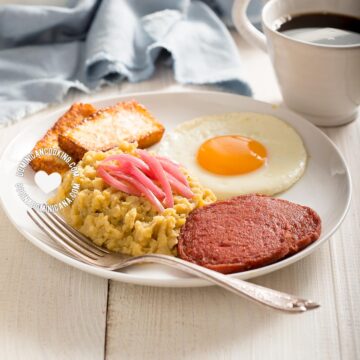
Some dishes are known and enjoyed equally all around the country: Mangú, our mashed plantains with vinegar red onions breakfast dish, Arroz blanco, the Dominican white rice, Habichuelas guisadas, stewed red kidney beans, and carne guisada (stewed meat, typically Pollo guisado chicken, but also pork or beef).
All over the Dominican Republic, Mangu con Los Tres Golpes - mashed green plantains with fried cheese, salami, and eggs - is served for breakfast, and La Bandera Dominicana - the Dominican flag - is served for lunch.
Everywhere Habichuelas con dulce, our red beans dessert, is served for Lent and Easter, and Pasteles en hoja and Lechon asado are Christmastime staples. And we all celebrate joyous occasions with Sancocho, our national stew.
Many of our traditional dishes are also common throughout Latin America - part of our common Spanish heritage - but many of these are uniquely Dominican.
The occasional visitor could be forgiven for thinking there are no regional cuisines in the Dominican Republic just because this is a small country. This is true to a point, but to us Dominicans, it is evident that each region has dishes that represent them.
Follow us on a culinary tour of the Dominican Republic and learn about some of the most iconic regional Dominican food.
La Linea - the Northwest region
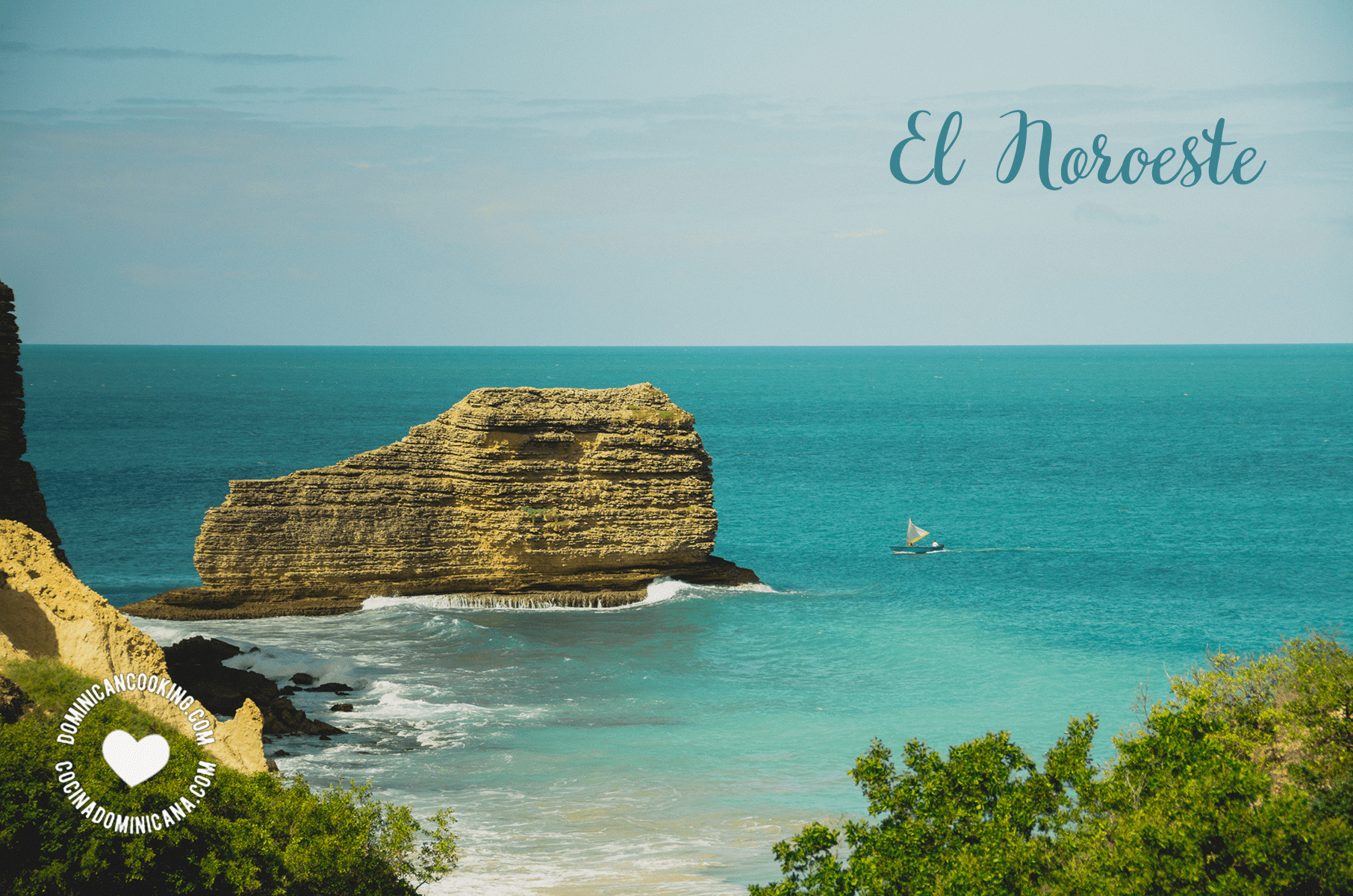
The Northwest region of the country is popularly known as "La Línea," which includes the provinces of Montecristi, Dajabón, Mao, and Santiago Rodríguez.
The Northwest Line has a variety of ecosystems, some with impressive coastlines, beautiful golden sand beaches, and tropical desert forest vegetation, with hills covered with bushes, cactus, and mesquite trees (cambrones).
It is also where most of the salt consumed in our country comes from.
Chivo liniero
Wild oregano grows in the area, and the large goat population that feeds on it --purportedly seasoning themselves as they walk and breathe-- is the best-known part of its cuisine.
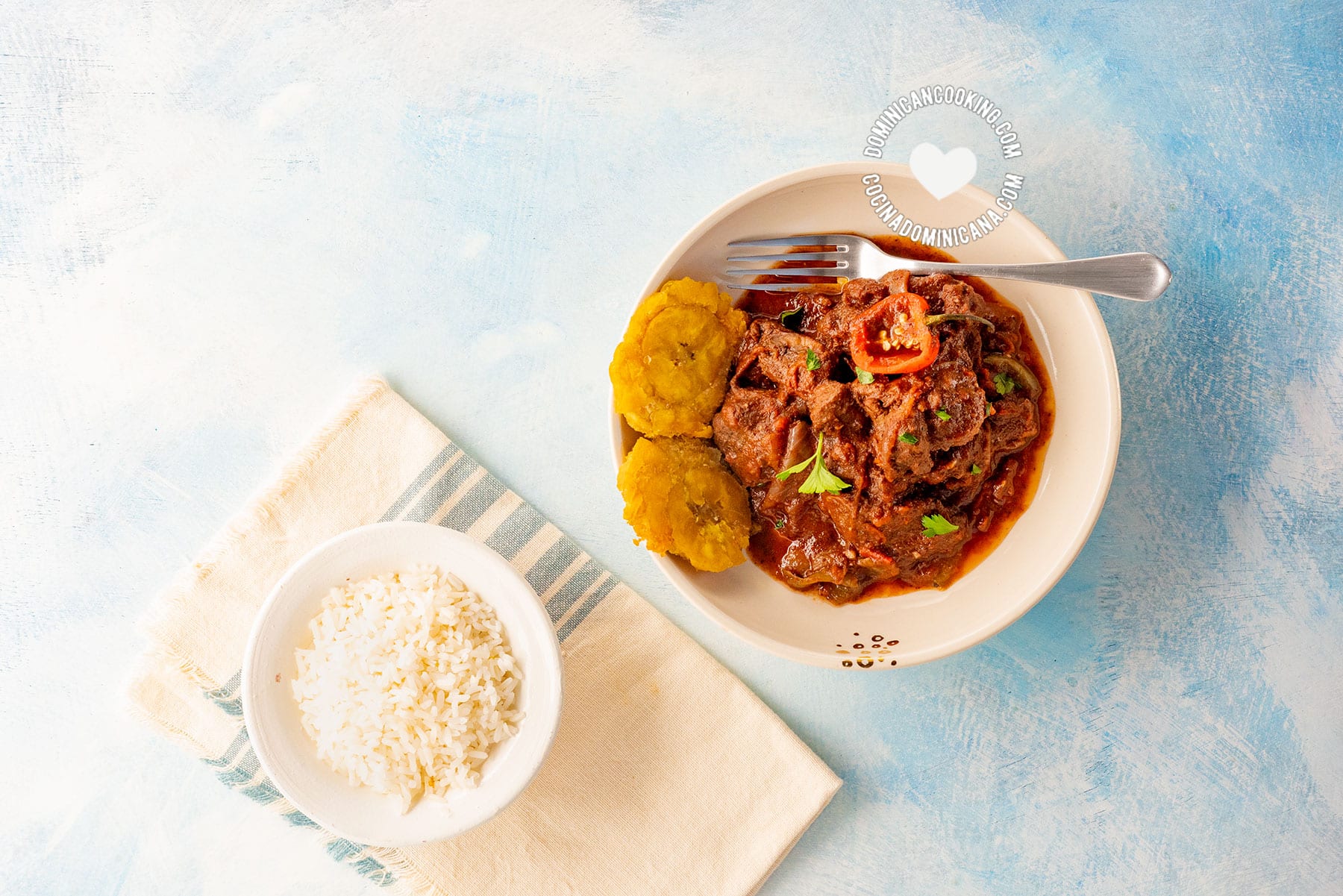
The northwest's flagship dish is Chivo liniero (or Chivo guisado picante), a braised, spicy goat seasoned with aromatic herbs, abundant oregano, and ajicitos picantes (Scotch bonnet peppers). We love it served with Moro de habichuelas (rice with beans), some Tostones (fried plantains), and some slices of Dominican avocado.
Lambí guisado
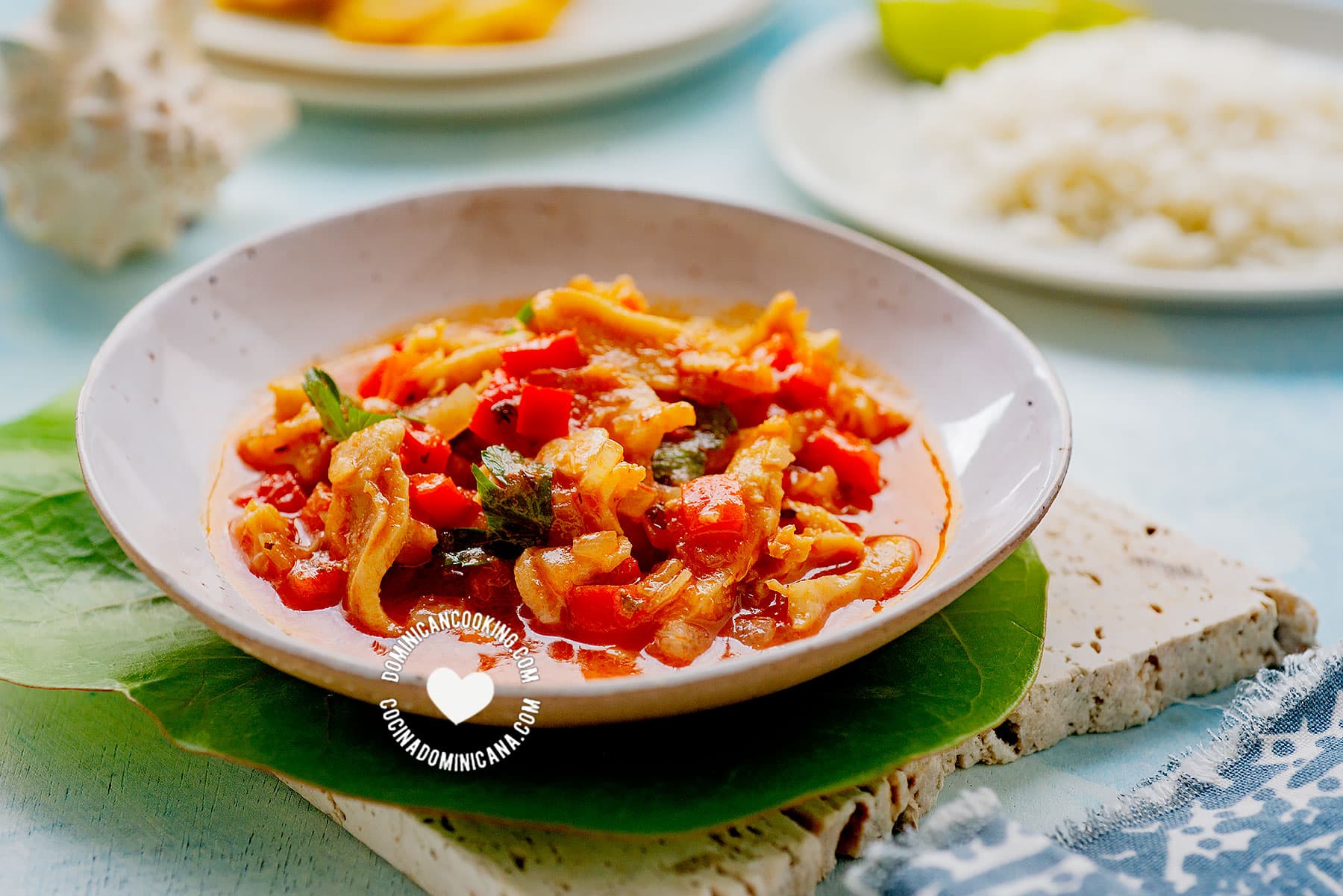
In the coastal areas, there is a small but important fishing industry. Seafood dishes are a staple of Liniero cuisine, and Lambí (conch) is one of the delicacies of Montecristeño cooking.
Tostones and Arroz blanco are my choice of side dish with Lambí guisado (stewed conch).
Casabe
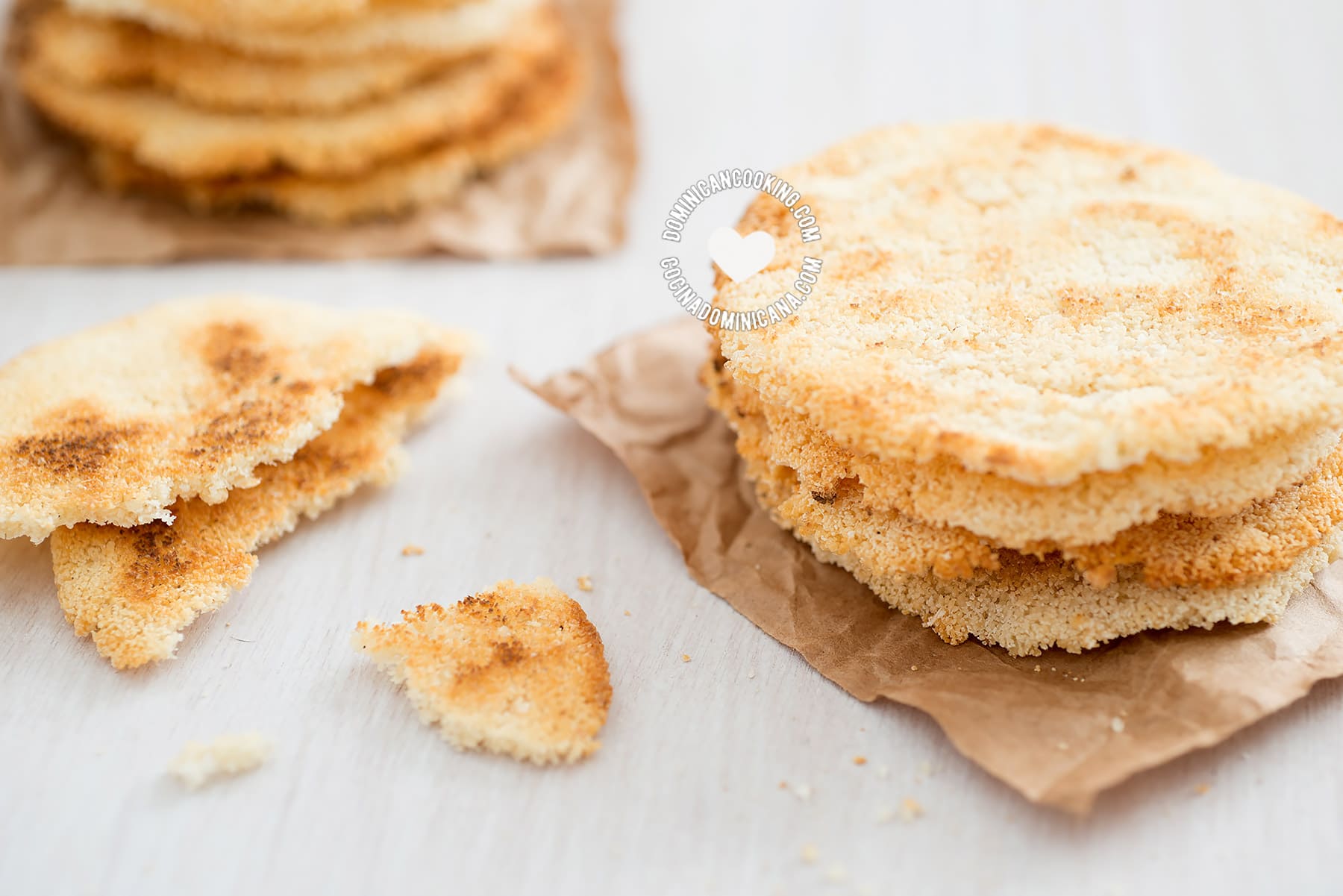
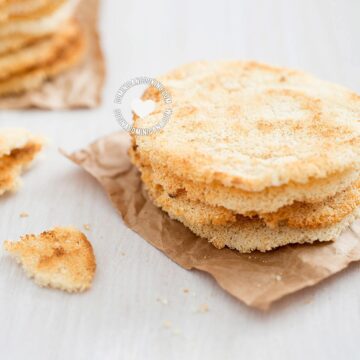
Casabe, a cassava bread, is one of our most ancient foods, and the staple of the indigenous Taino diet. While casabe is consumed in several Latin American countries, it is a very important part of Dominican cuisine and is eaten in every corner of the country.
Santiago Rodríguez, however, is considered the capital of Casabe production in the Dominican Republic and a source of pride for this province, formerly a Montecristi municipality.
Casabe is enjoyed as a snack (loved smeared with Mambá, the Dominican savory peanut butter) and served toasted alongside Habichuelas con Dulce in this region.
Cibao region
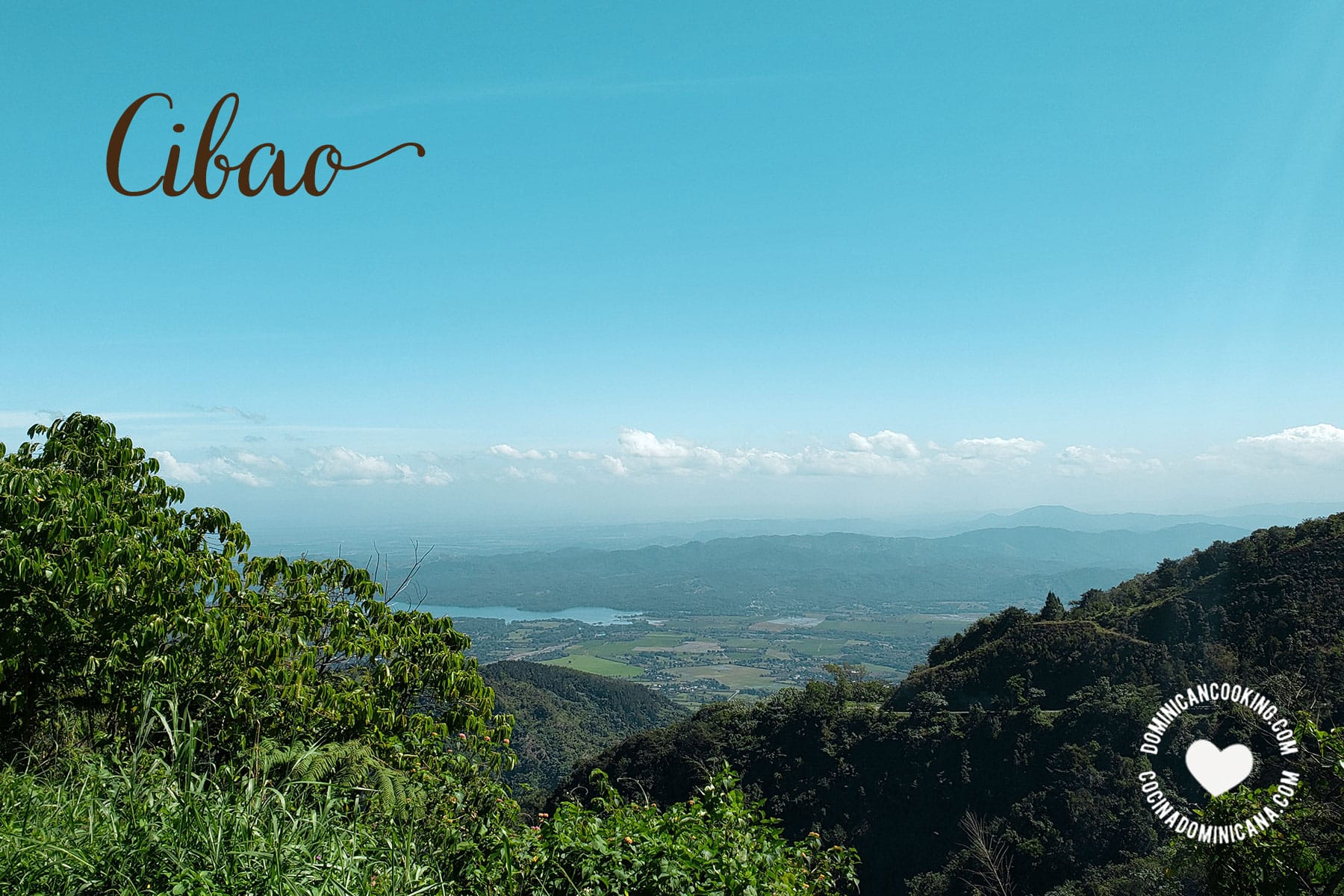
The Northern region shares some dishes with the Cibao Valley (the central part of the island). The valley is an agricultural region with fertile land, majestic mountains, and a moderate climate.
Santiago de los Caballeros is the capital of the Cibao region and the second-largest and wealthiest city in the Dominican Republic. La Vega, Moca - where the best yuca comes from -and Bonao are also part of this fertile and industrial center, and all boast a rich culinary tradition.
It's not uncommon to find some dishes that are known by different names than in the rest of the country - most notably Arepa, which is Torta in the Cibao and North region. But dishes like Guanimo and Buche perico originate in this region and were virtually unknown elsewhere in the country.
Arepa
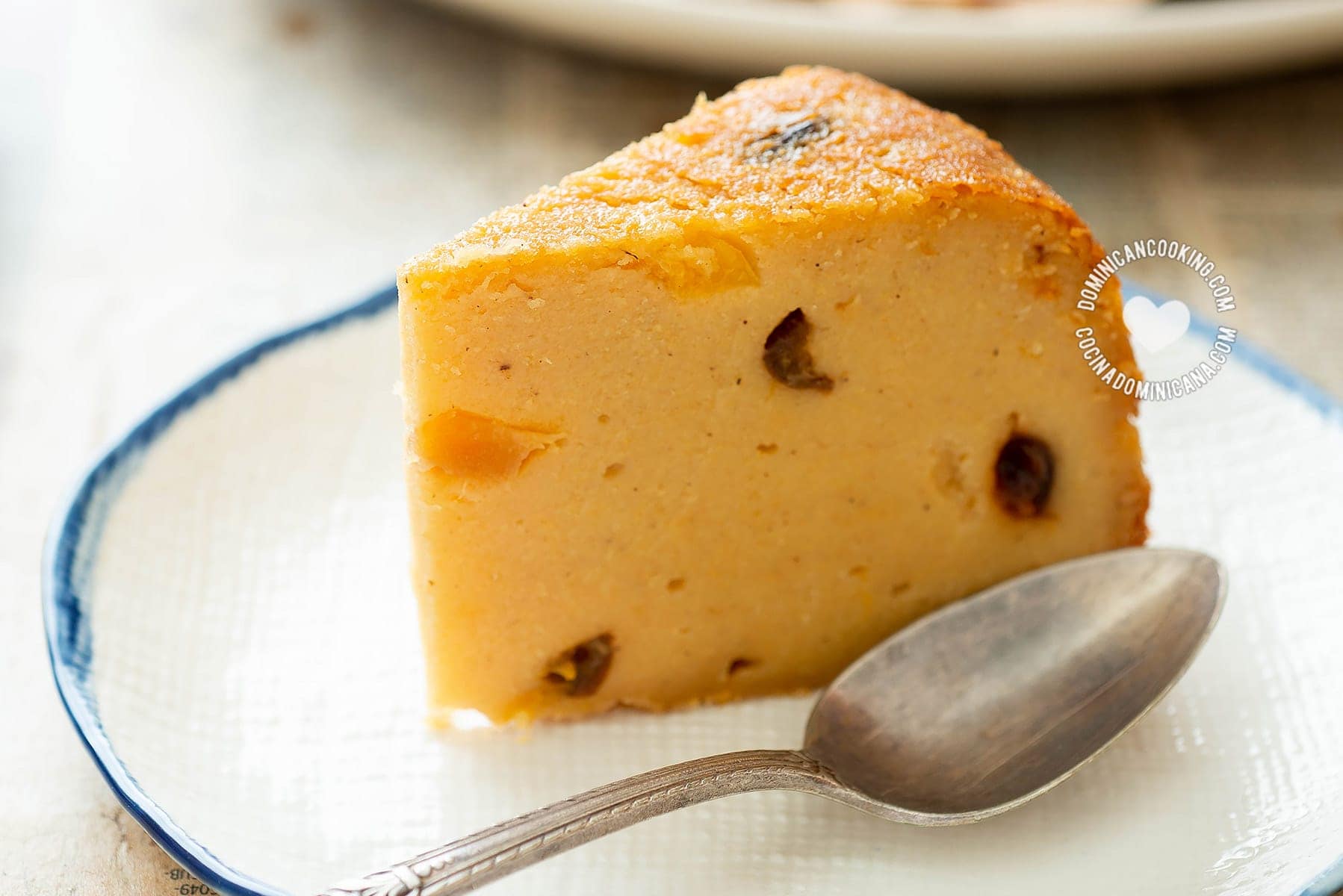
Arepa is one of our favorite desserts, and it's made with cornmeal (corn flour), milk, and raisins. The most popular is the sweet version, but Arepa salada, a savory version, is also well-known.
Arepa is cooked in a Dutch oven (caldero) over hot coals; more hot coals are placed on the lid. This is the origin of the expression "como la arepa: fuego por arriba, y fuego por abajo" (like arepa: fire on top, fire underneath), meaning to be in the crossfire or a tight spot.
Buche perico
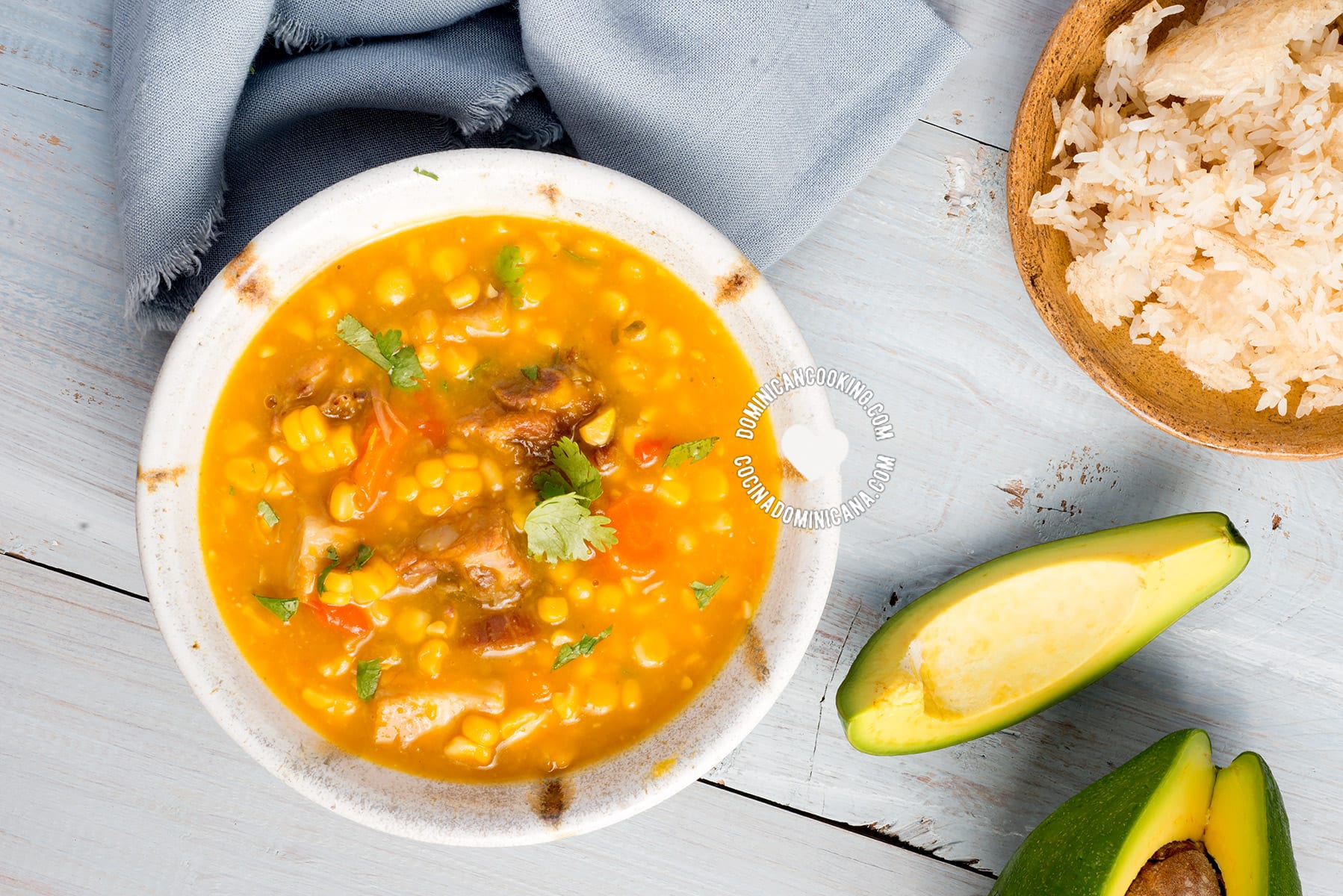
Buche perico - a corn, vegetables, and pumpkin stew - has become more popular after we published the recipe years ago, even though it had already appeared in cookbooks by cibaeña authors in the first half of the last century.
Buche perico is typically served as a substitute to Habichuelas guisadas, and we love it with Arroz blanco (and Concón!) and some avocado slices.
Guanimo
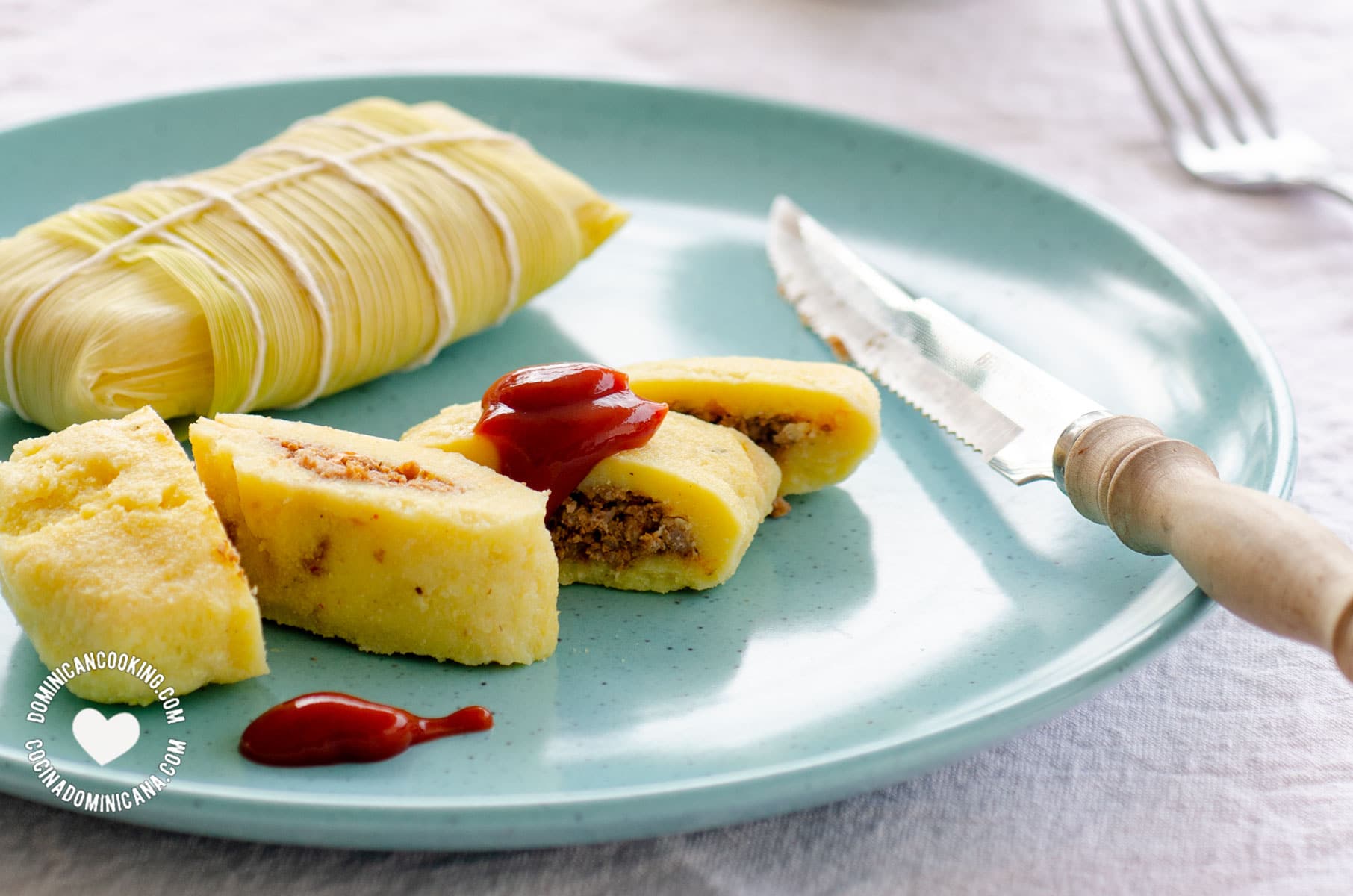
Like arepa, guanimo is a dish that has a savory and a sweet version. The sweet version is the most popular, but the savory one, Guanimo salado is the first time I encountered this dish in my native Montecristi.
Guanimo is a tamal-like dish made with cornmeal, and cooked inside corn husk, although I have heard of people cooking them in plantain leaves, as we do Pasteles.
There's an expression in this region, "como un guanimo" (like a guanimo) used to pejoratively describe a lady wearing clothes too tight for her figure.
Yaroa
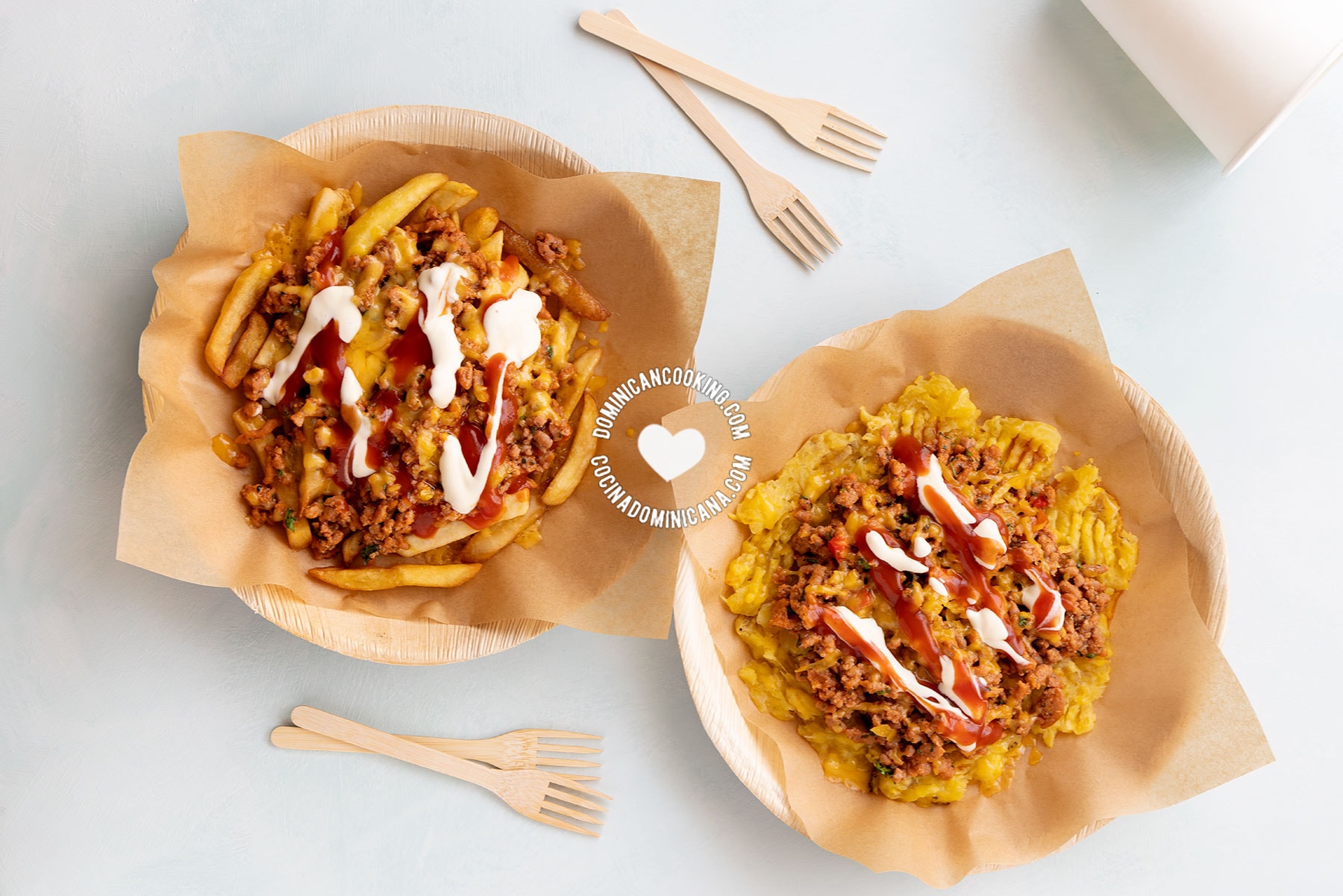
Yaroa - which reminds me of Canadian poutine - is the Dominican version of loaded fries. It is a newcomer to street food and was created in Santiago as a nighttime food for partygoers. Perfect with one of our Dominican juices or una fría - a frosty-cold beer.
There are two versions of yaroa, one with mashed ripe plantain as the base and one with French fries. It is topped with ground beef, melted cheese, and drizzled with mayonnaise and ketchup.
Our yaroa recipe combines both versions, so you don't have to choose which of these flavors is best.
Santo Domingo and San Pedro
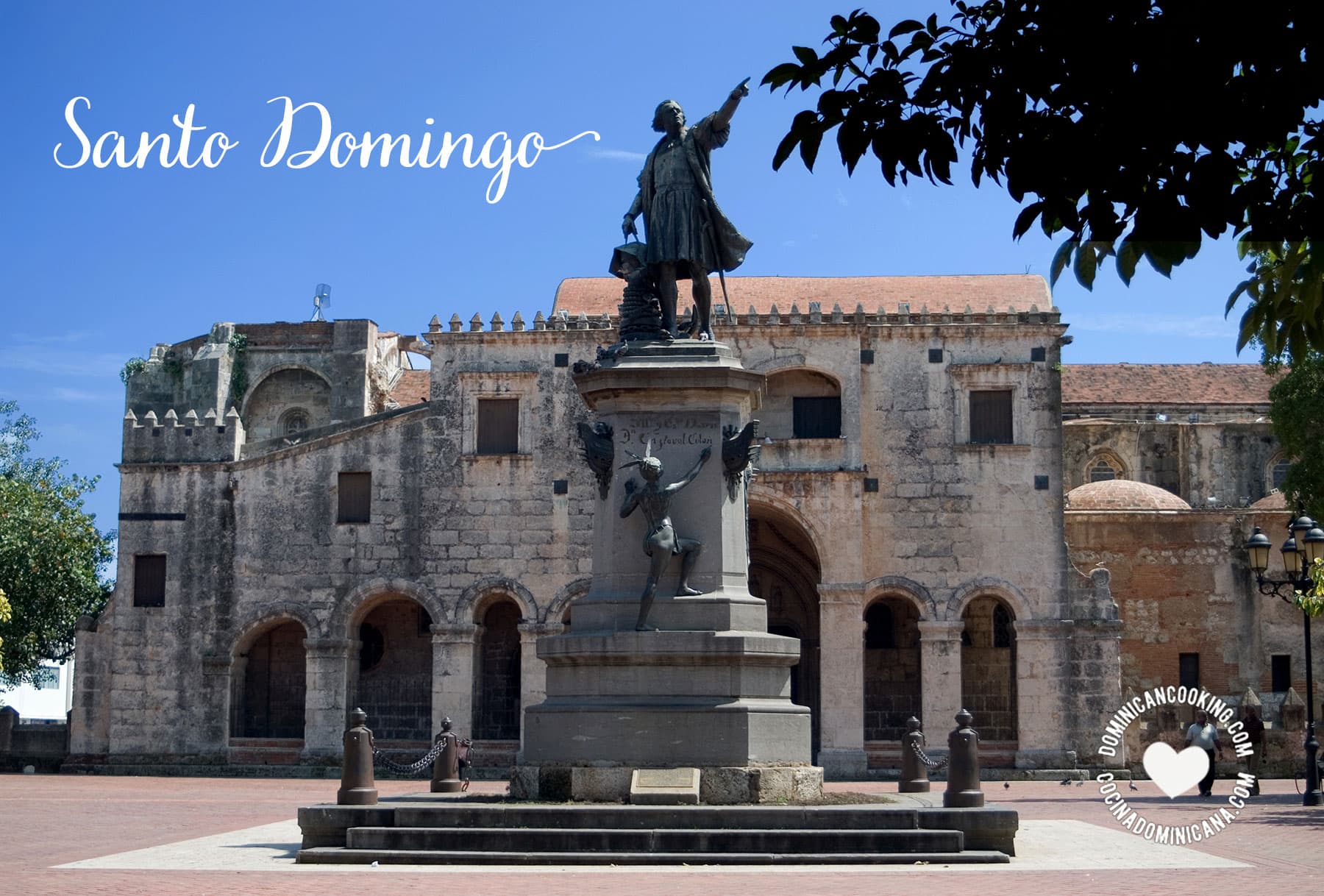
Santo Domingo and the Southeast have always been a magnet for immigrants, which has left an imprint on the region's cuisine.
At the end of the nineteenth century, a wave of immigrants from the Middle East arrived on our shores and settled mainly in San Pedro de Macorís and Santo Domingo. With them came several dishes that later became part of our culinary heritage.
Kipe (or quipe)
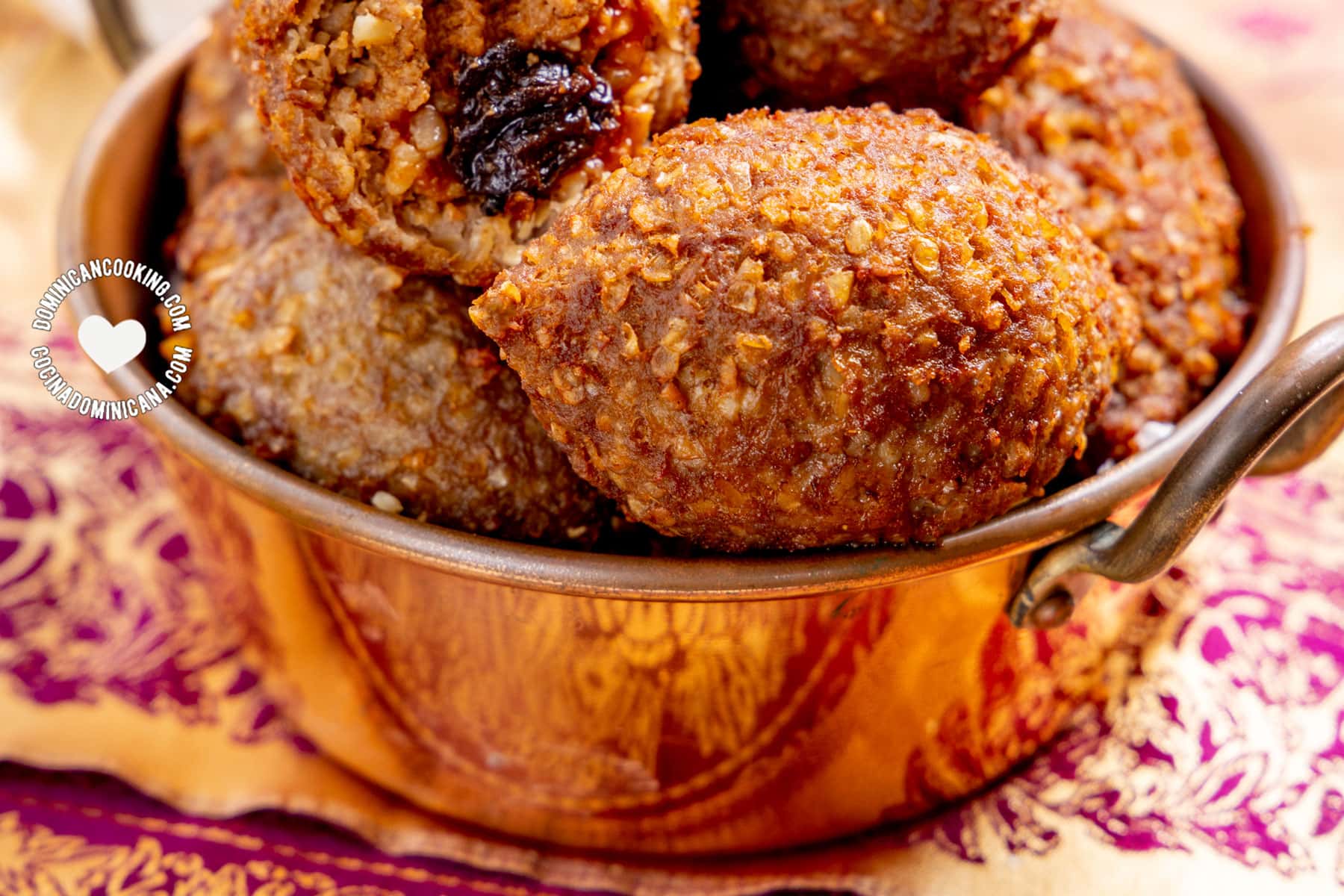
Kipes or quipes are the Dominican version of the Lebanese kibbeh, but instead of using lamb (which is not a popular meat in our country) we use beef, as well as changing some of the spices and taste of the traditional Middle Eastern dish.
It is one of our blog's most popular Dominican dishes, and a must during the Christmas celebrations.
Tipili
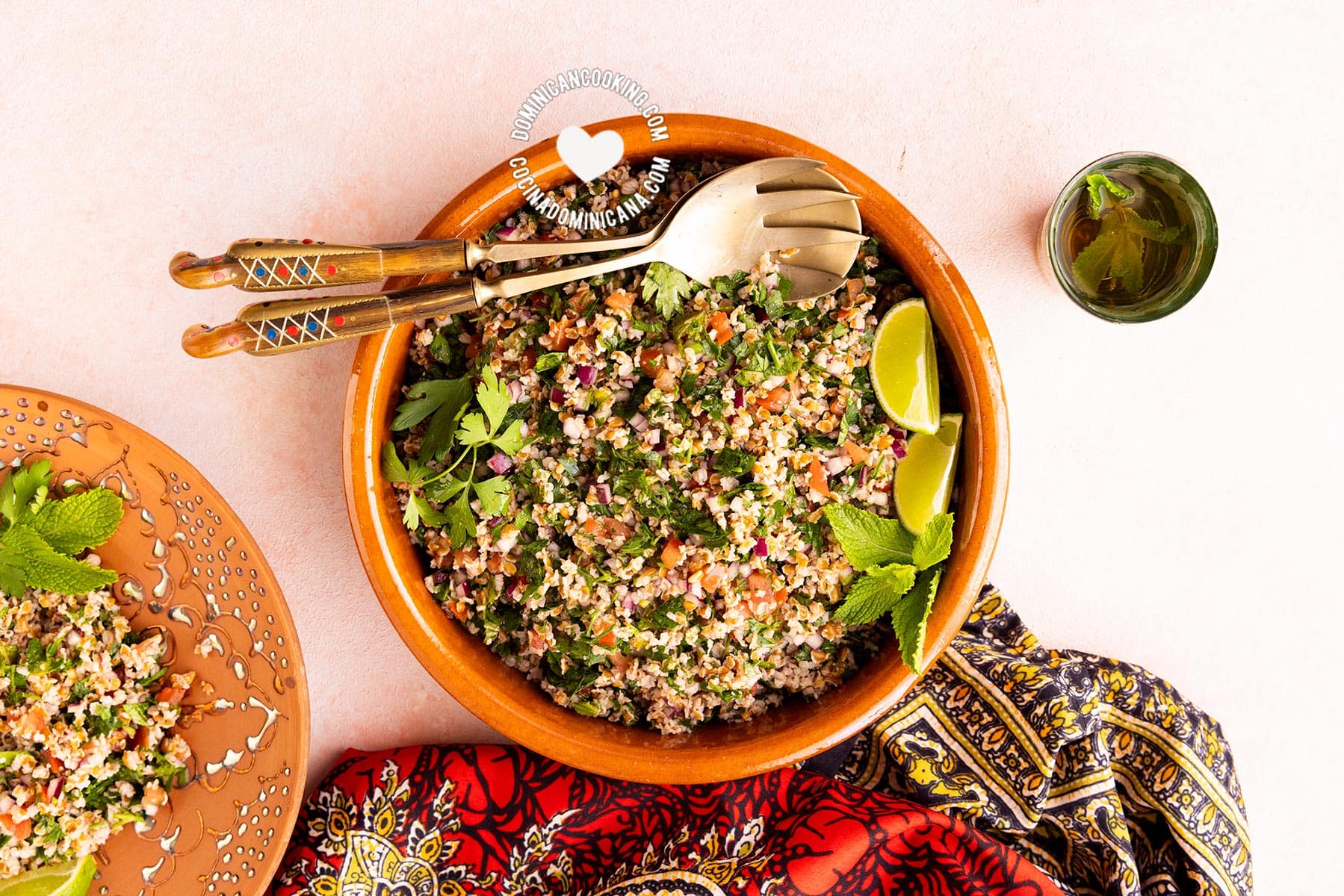
Tipili or Tipile is the Domnican version of tabbouleh, a popular Middle Eastern bulgur salad. As with kipe, the ingredients have been changed to adapt it to the Dominican taste, most notably in not adding as much parsley as the Lebanese version and leaving out mint.
Dominicans of Middle Eastern descent typically make it closer to their ancestral version.
Niños envueltos
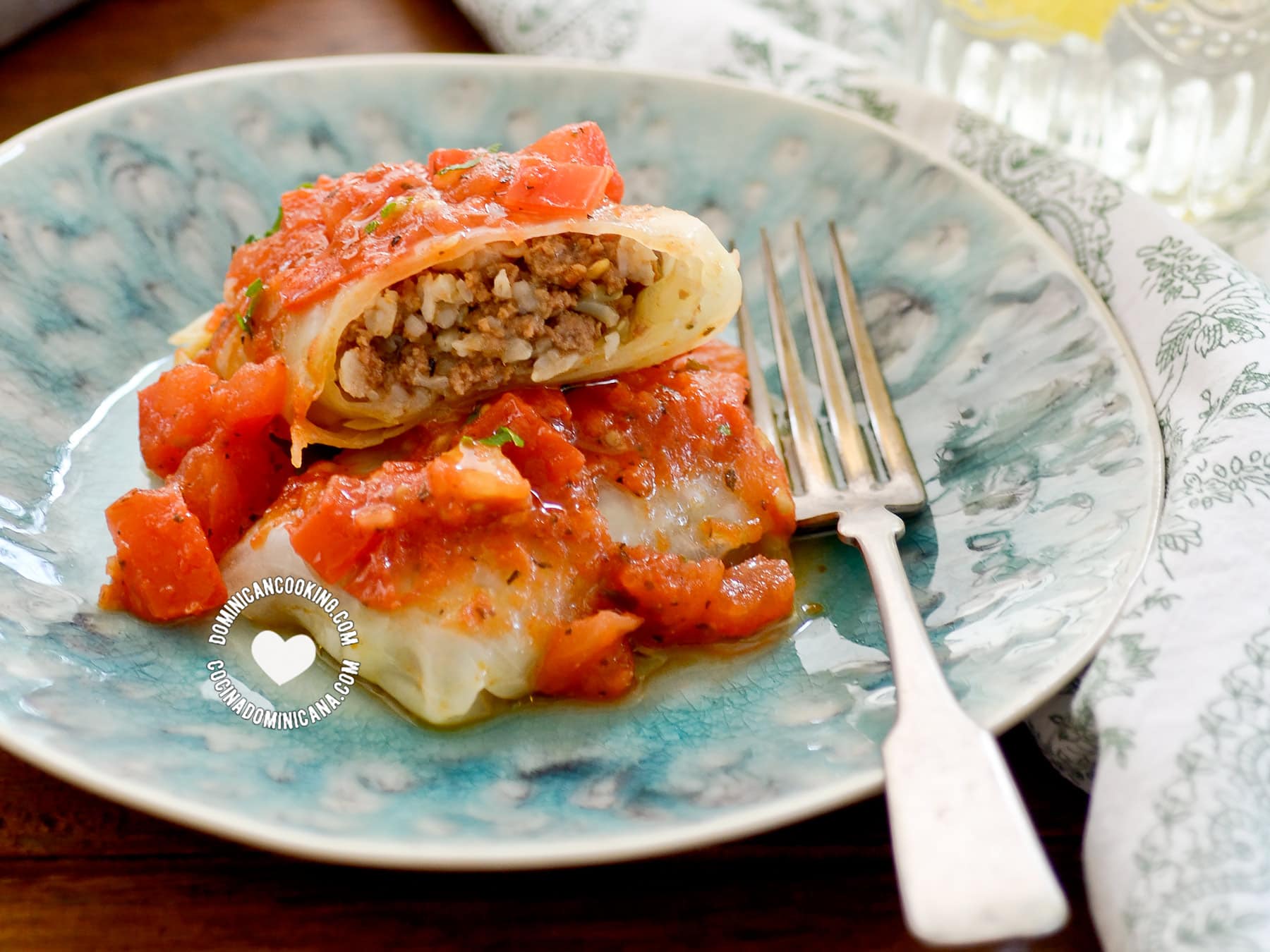
Niños envueltos, a rice and meat cake wrapped in cabbage leaves, evolved from the Egyptian malfouf mahshi. However, several countries outside of MENA also have similar dishes in their repertoire.
Arroz con fideos
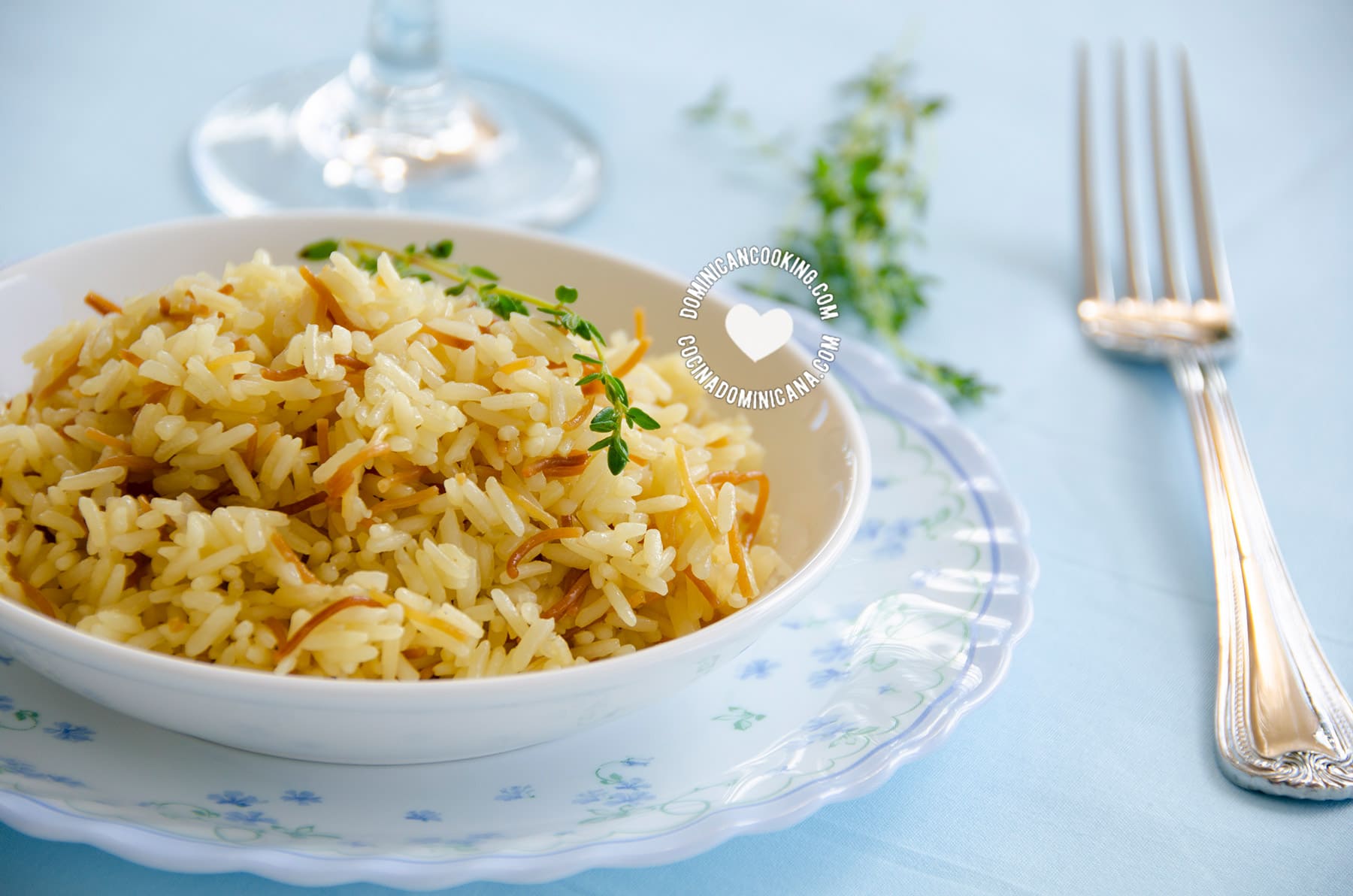
Arroz con fideos, a rice pilaf with golden brown noodles mixed in, is the Dominican version of ruz bil shereya, another Middle Eastern dish.
Guavaberry
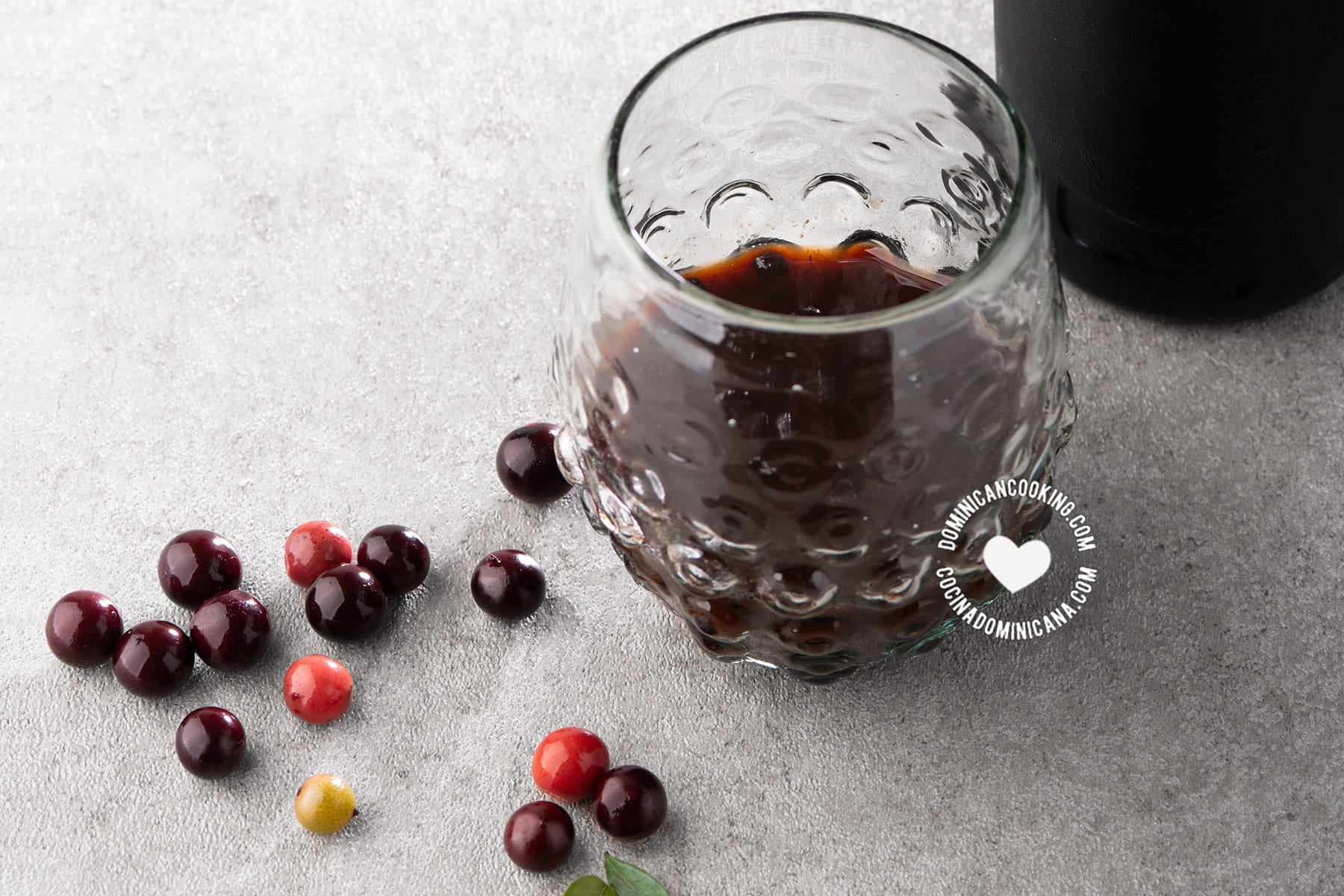
Another group of immigrants who settled in the southeast was "cocolos," who came from the British Caribbean.
They gave San Pedro Guavaberry, an alcoholic beverage that is only made in San Pedro de Macorís, and is now part of their Christmas tradition. Made with a fruit Dominicans call Arrayán - guavaberry in English - this delicious liqueur contains cinnamon, cloves, allspice, rum, and sugarcane.
Yaniqueque
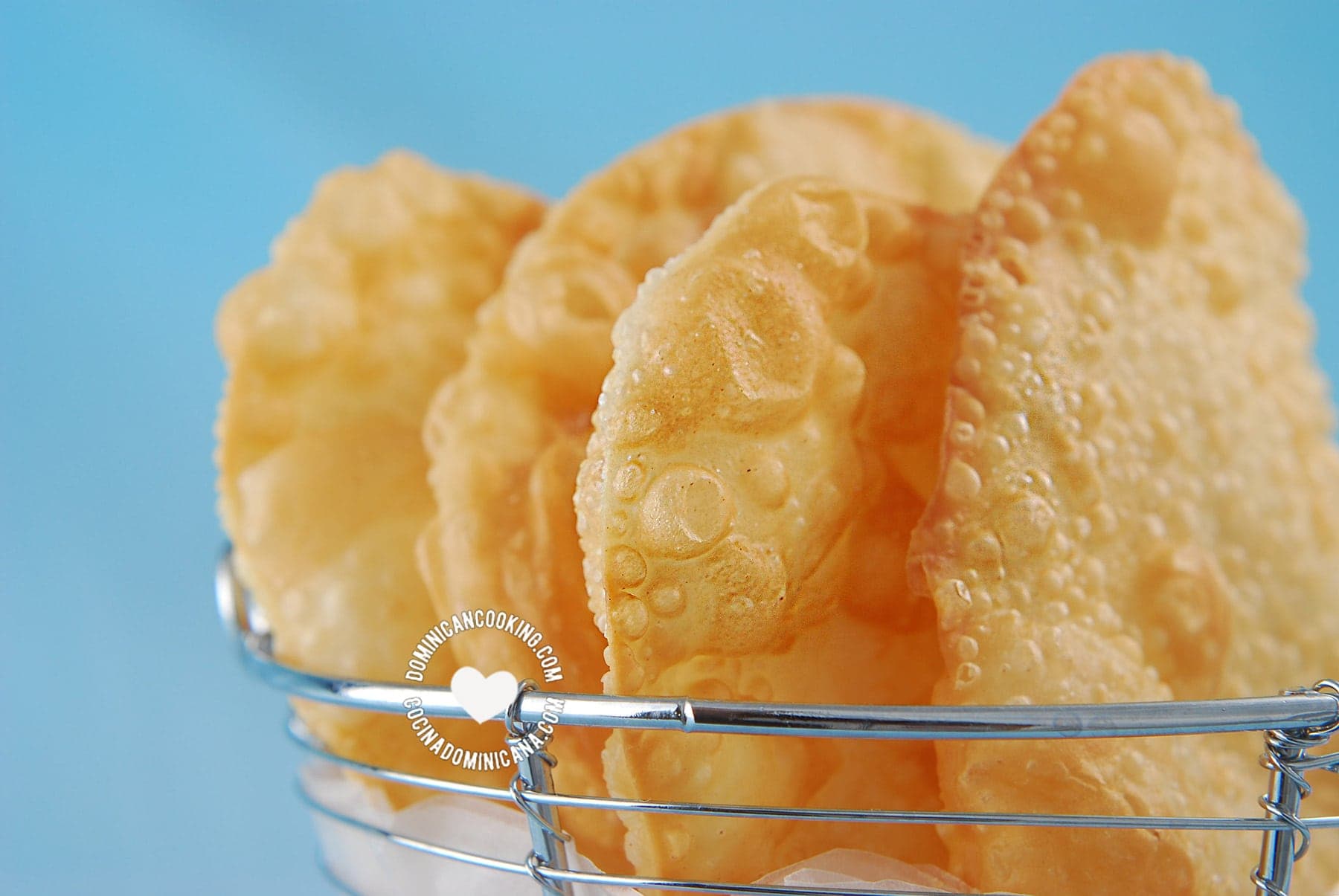
There are two versions of yaniqueque in our country, and both sides swear theirs is the original, one from Samana (which we mention further down) and cocolo Johnny cake, which we turned into the better-known Yaniqueques. Curiously, these are known as Arepas or Arepitas in parts of La Linea, which - to keep with a theme - sprinkles some extra confusion on our national food conversation.

Domplines - Dominican dumplings - are a popular dish of Cocolo origin, and virtually unknown in many areas of the country. It is an inexpensive, filling, and comforting dish for those who grew up with it.
The Southwest region
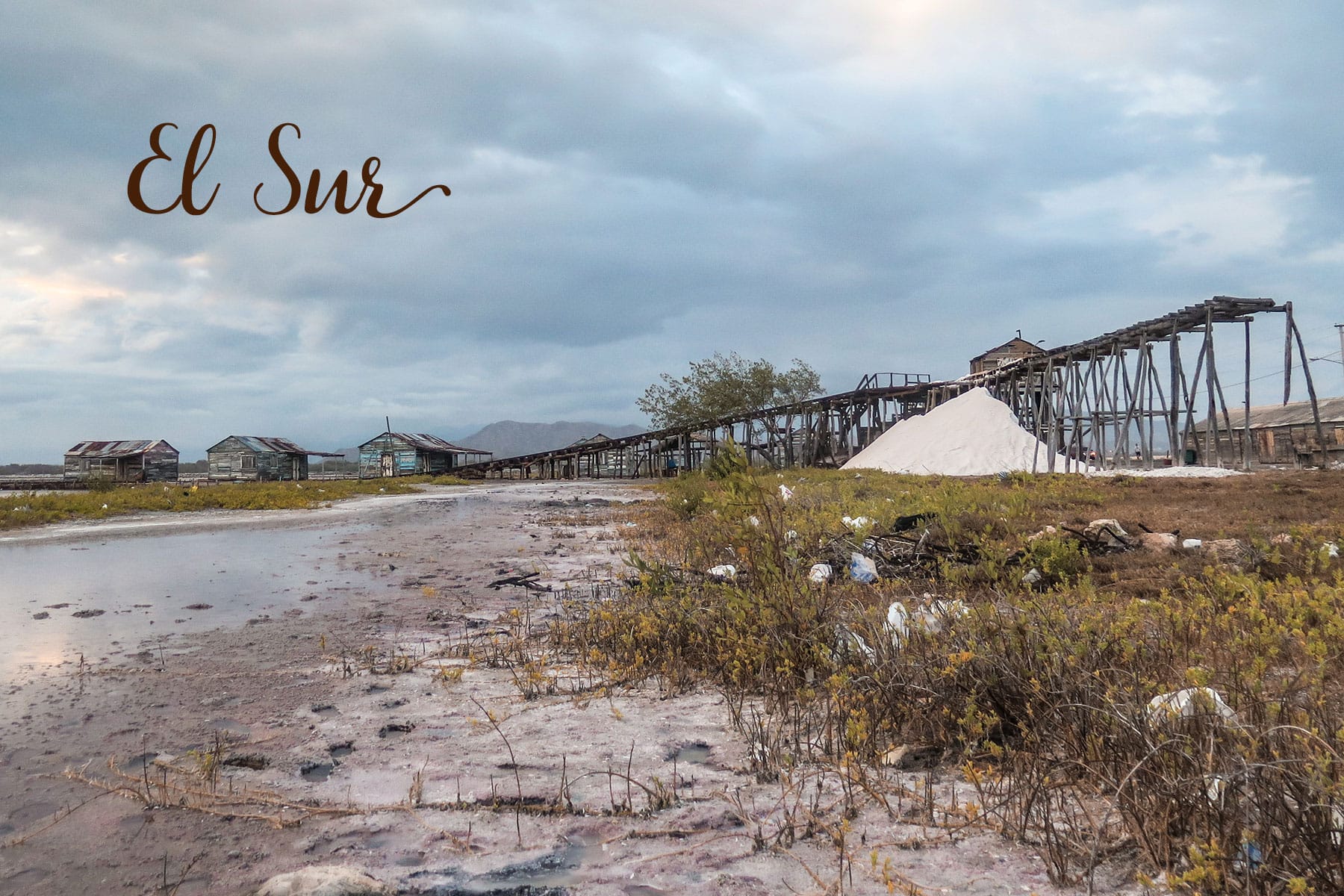
Southwestern cuisine bears the imprint of our African ancestors and has several dishes in common with neighboring Haiti. Baní, known for producing salt, and seemingly every colmado owner in Santo Domingo, is best known for some of the best Dominican dulces (desserts).
Further west, Azua - which I consider my native Montecristi's spiritual sister - is also recognized for its great goat meat.
San Juan de la Maguana is known as "el granero del sur", or the South's granary, and boasts fertile lands and great quality habichuelas. Let's not forget Barahona, where the best plantains come from, and the rest of the Southwest, with its seafood production and unique dishes.
Many dishes here have different names than in the rest of the country, as is the case of Chacá, the Southern version of Maíz caquiao, which we mentioned above.
Chenchén
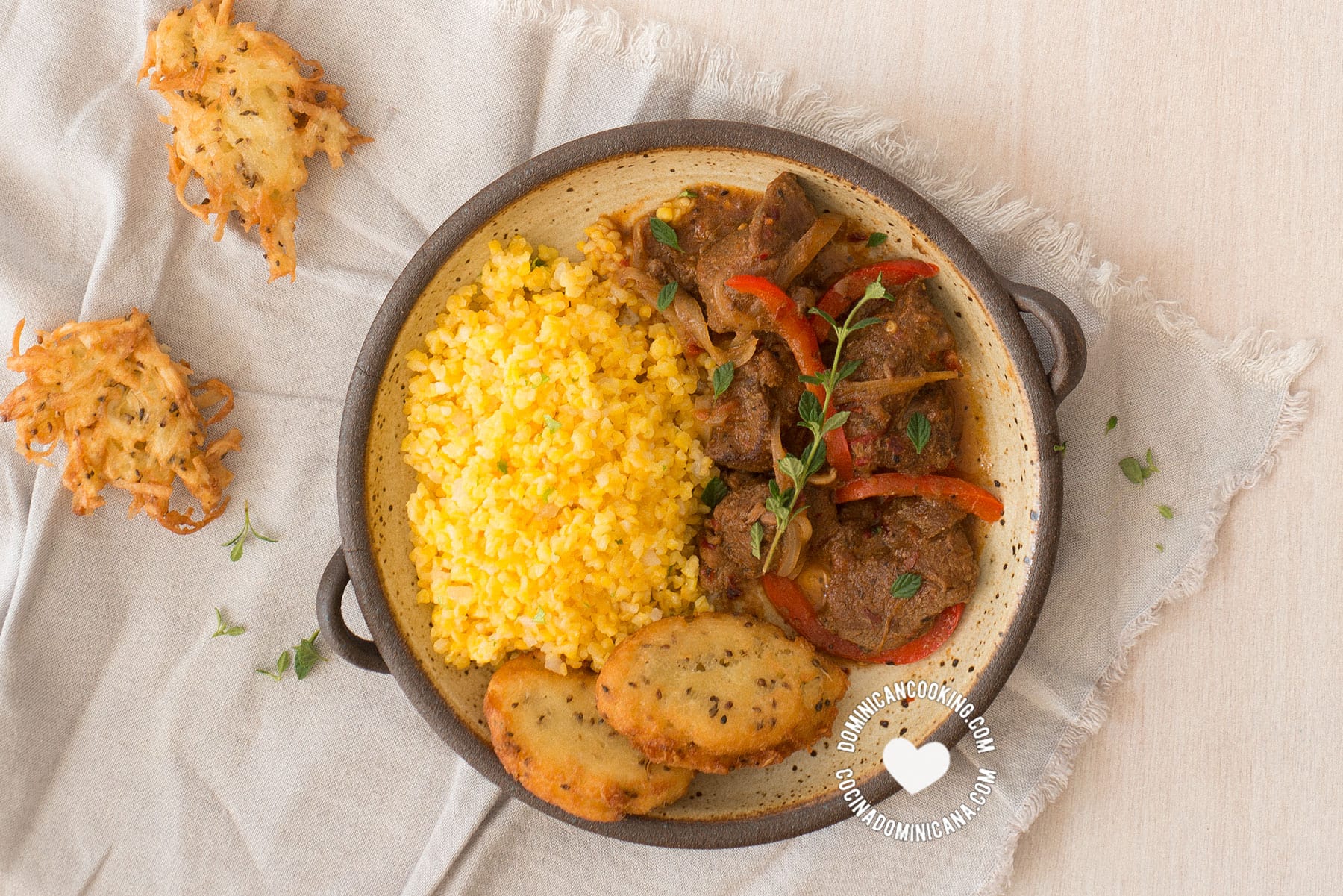
Chenchén, or Dominican grits, originate in this region of the country. Stewed goat meat is also popular in this region of the country, and it's commonly served with Chenchén, as we show above. I also served some Arepitas de yuca (and Arañitas) with it.
Chacá
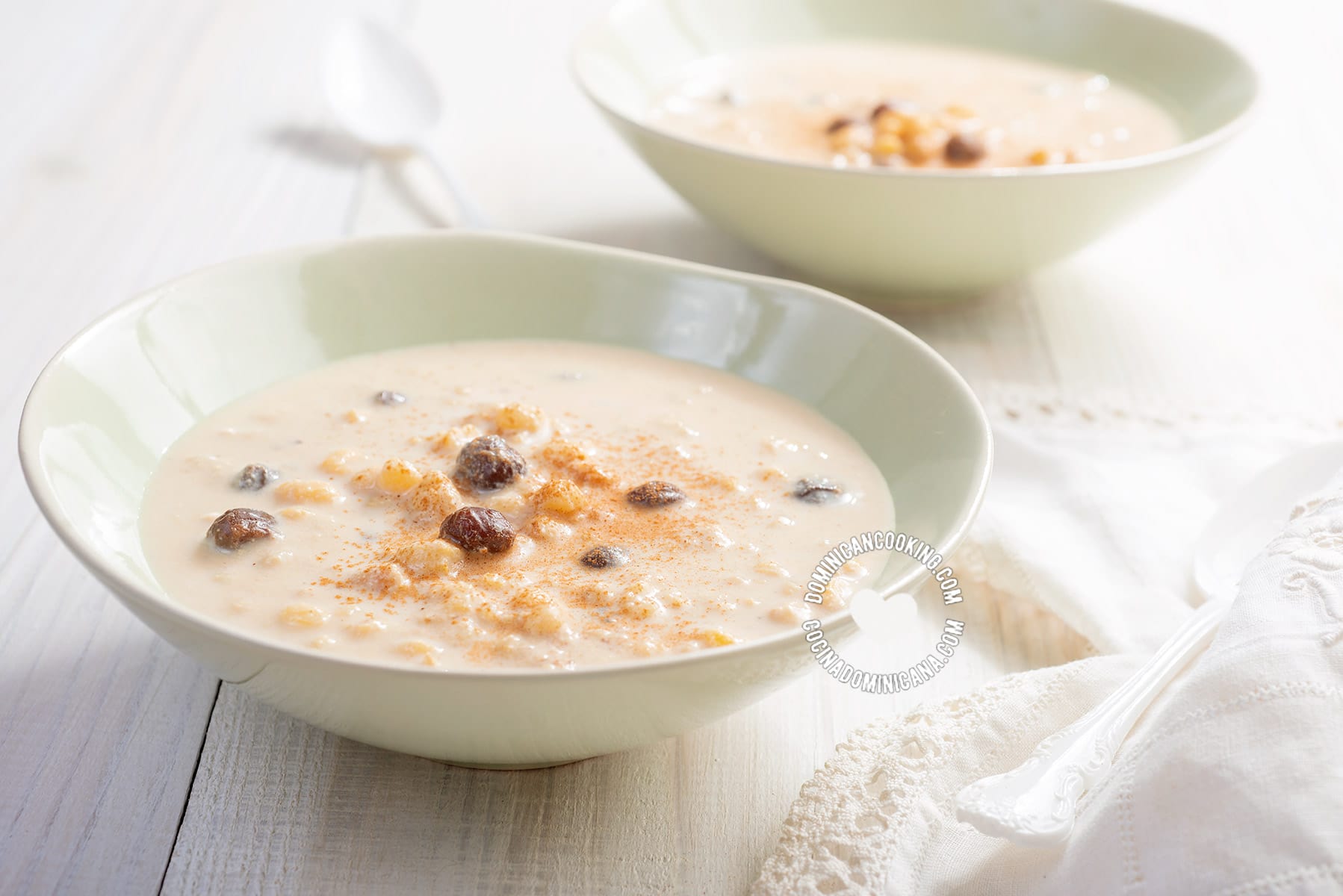
Another case of dishes known with different names in different regions is Chacá soup-like hominy dessert known in the North and Cibao as Maíz caquiao, which we have mentioned already above.
Chambre
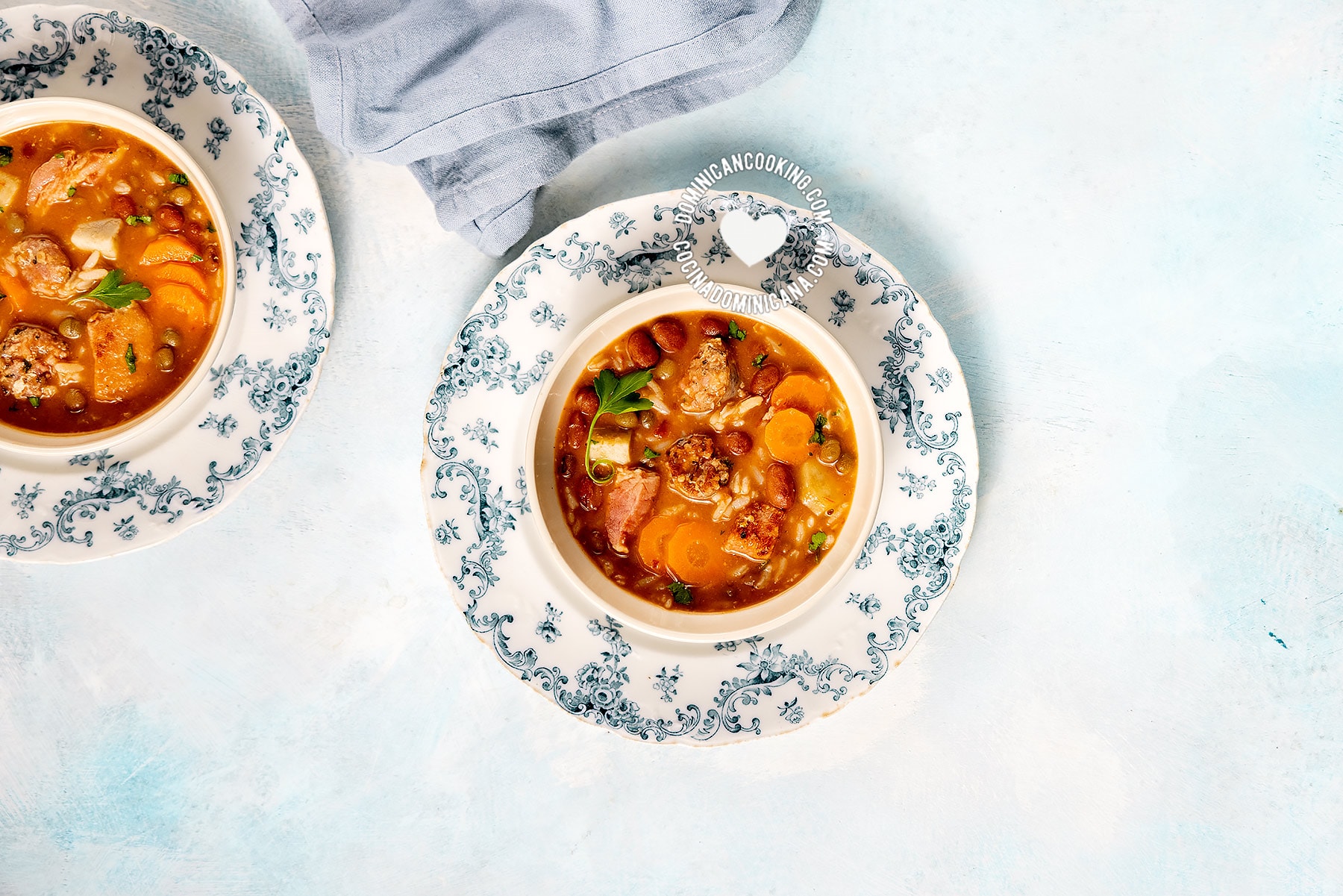
Chambre - also known as Chapea - is a Dominican stew that combines rice, guandules (pigeon peas), red beans, and meat-a hearty, inexpensive solution to weekend meals.
Samaná region
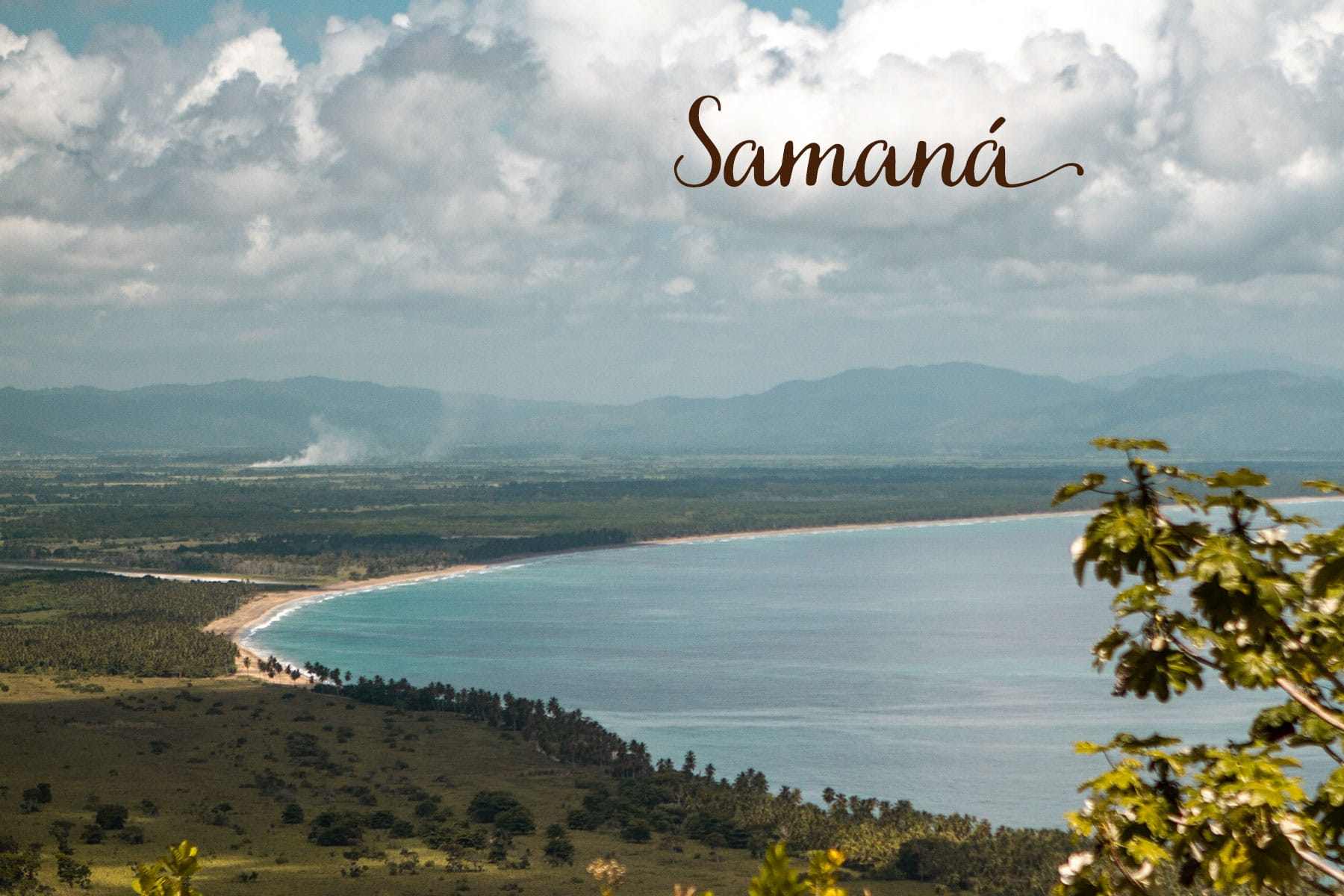
The beautiful Samaná peninsula, impressive and long-ago coveted by many an empire, lived in isolation until relatively recently. With coconut groves extending as far as the eye can see, it's unsurprising that coconut is a fundamental part of its cuisine.
Pescado con coco
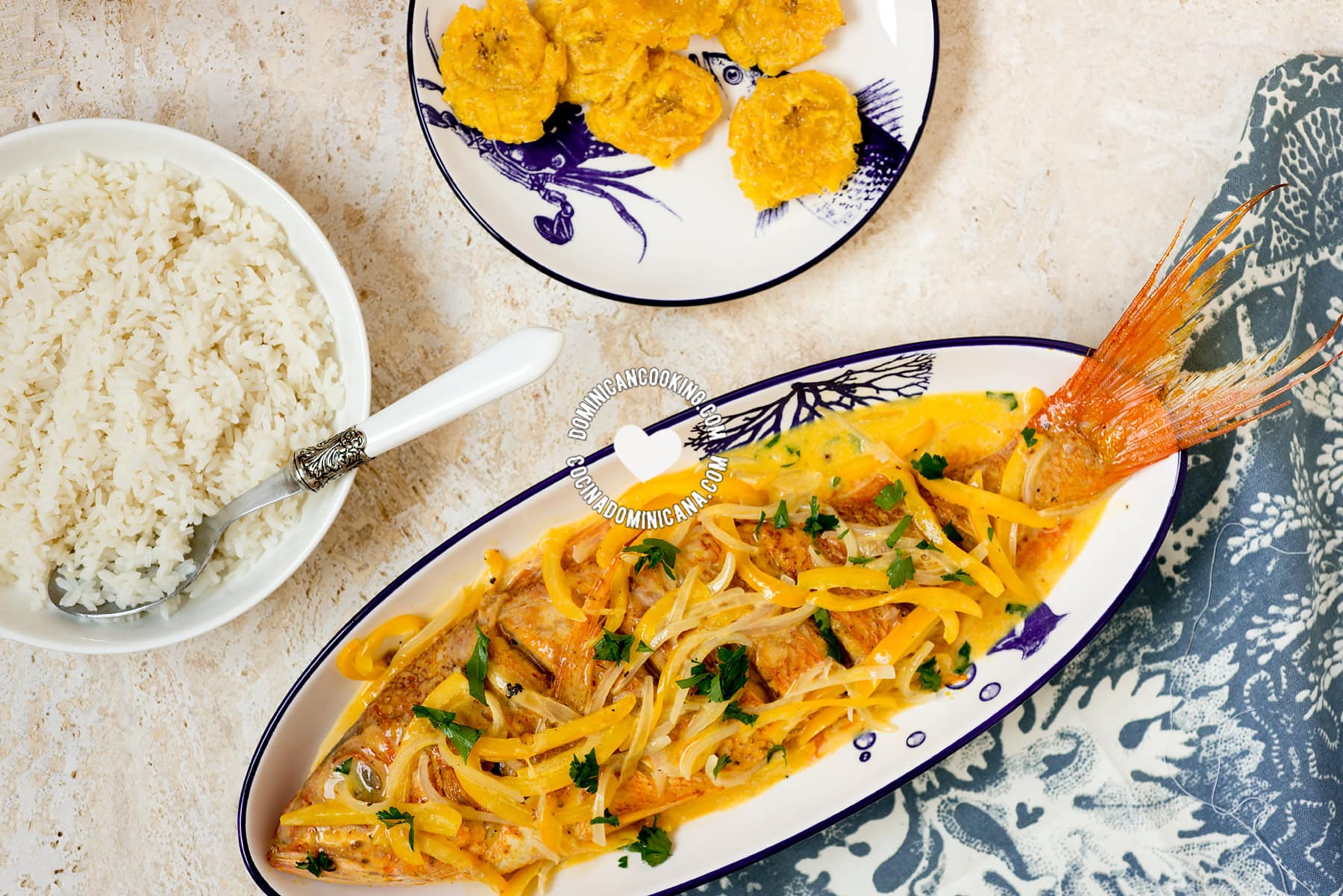
Pescado con coco is a delectable fish recipe with a coconut sauce made from fresh coconut milk, garlic, onion, peppers and spices, and has become a favorite nationwide
Moro de guandules con coco
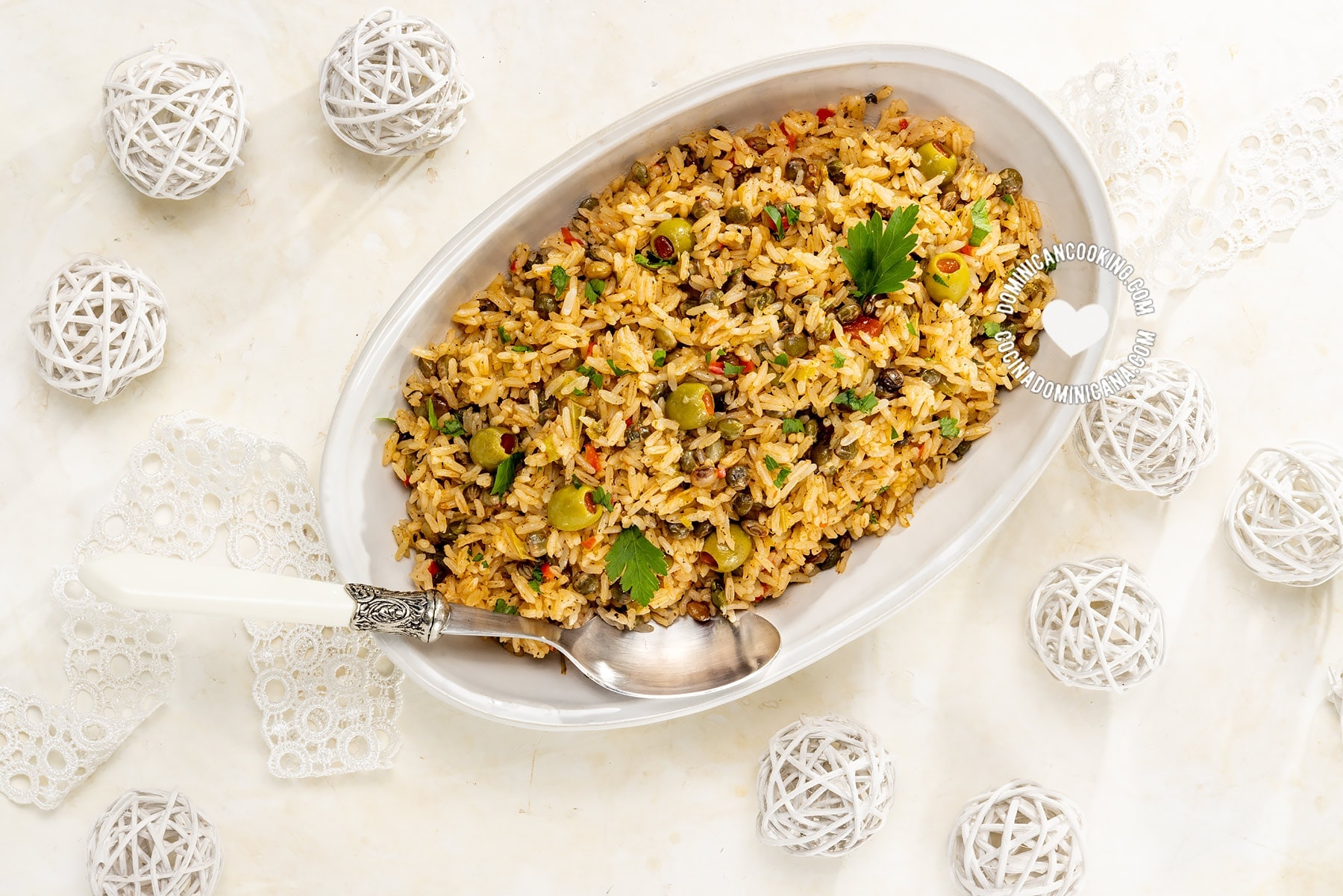
Moro de guandules con coco, is another savory dish that contains coconut milk and combines it with rice and guandules (pigeon peas), two of the most popular Dominican ingredients.
In the last decades, this dish has been incorporated into our traditional Christmas food.
Pan de coco
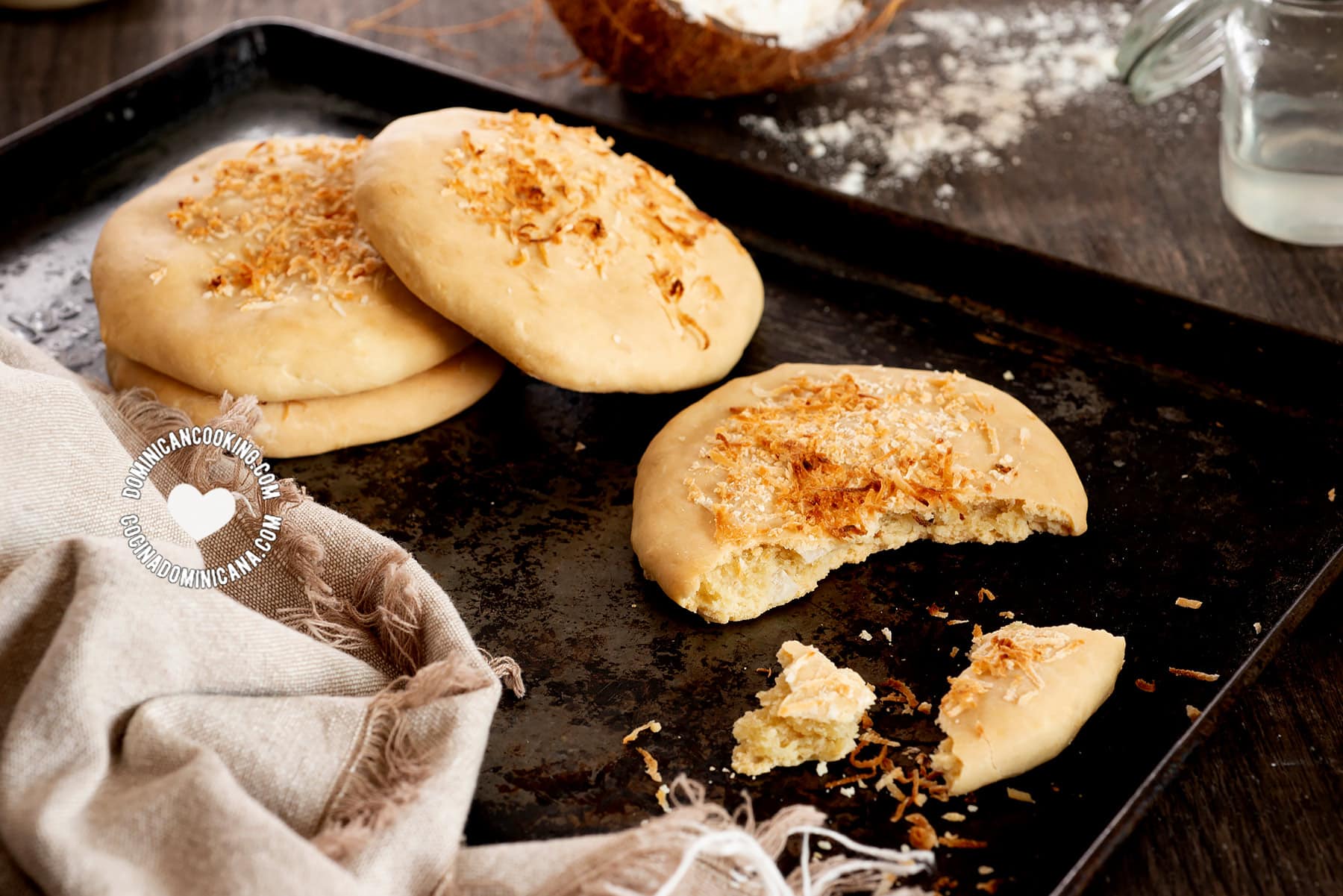
During our trips to Samaná we were pleasantly surprised to "discover" the delicious Pan de coco, or Samana yaniqueque, a dish we hope will also become known throughout the rest of the country.
Looking for more traditional Dominican dishes? Check out our collection of hundreds of authentic Dominican recipes, or start with our most popular recipes. You can also learn more about our culinary culture, customs and traditions.
We invite you to discover our land and to enjoy this important aspect of our culture.

Pictures of Samana and Southwest licensed from Lucas Guzman Benady.

- Learn more about me and the humans behind this blog.
- Share your questions and comments about this post.
- Subscribe to receive our recipes and articles by email.
- Please stay in touch! Follow us on: