
• Skip to primary navigation
  • Skip to main content
  • Skip to primary sidebar

Dominican Cooking logo

  • START HERE
  • RECIPES
  • COOKERY
  • CULTURE
  • COOKBOOKS
  • ❤
menu icon
go to homepage
  • START HERE
  • RECIPES
  • COOKING
  • CULTURE
  • COOKBOOKS
  • SUBSCRIBE
  • MOST POPULAR
    • 🔥 QUIPES (KIPES)
    • 🔥 DOMINICAN CAKE
    • 🔥 TOSTONES
search icon
Homepage link
  • START HERE
  • RECIPES
  • COOKING
  • CULTURE
  • COOKBOOKS
  • SUBSCRIBE
  • MOST POPULAR
    • 🔥 QUIPES (KIPES)
    • 🔥 DOMINICAN CAKE
    • 🔥 TOSTONES
×
Home » Culture


25 years of trusted Dominican recipes!
Our free content is supported via ads and affiliate links. ¡Gracias!

Aplatanado: Becoming Dominican

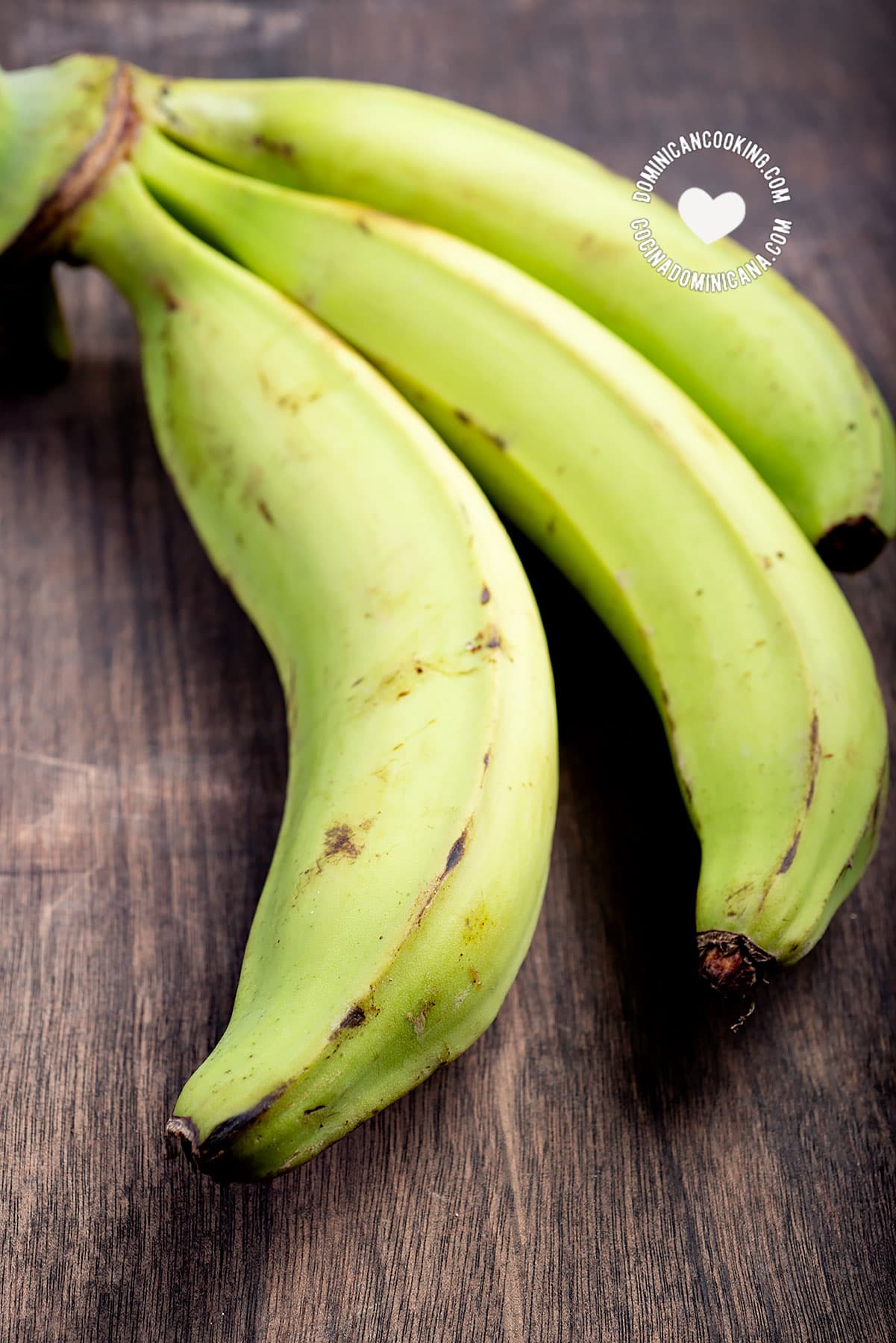
Green plantains (plátanos verdes).

En Español

Were you told you are "aplatanado" and wonder whether you were praised or insulted? While it depends on where the praise came from, for us Dominicans, aplatanado is the word at the confluence of our culture and food. It conveys what it means to become Dominican.

By Clara Gonzalez - Reviewed: Jan 22, 2024. Original: Oct 21, 2020

Green plantains (plátanos verdes).
Plantains.

JUMP TO: show ↓
1. What's aplatanado?
2. Why plantains?

Years ago my friend and then-roommate and I were regulars at Santo Domingo's Chinatown, an uptown section of Santo Domingo that Chinese immigrants (recent and older) have made their home. It's a vibrant community full of inexpensive restaurants and shops. A few of the "locals" didn't yet speak any Spanish, and some spoke Spanish with a heavy accent.

In a little shop tucked into a hidden spot between two buildings, a young man who could still barely speak Spanish was moving to and enjoying some loud bachata. I remember my friend commenting that he was almost fully aplatanado.

If you're Dominican, I am sure you know what that word means. If you're not, I'll explain.
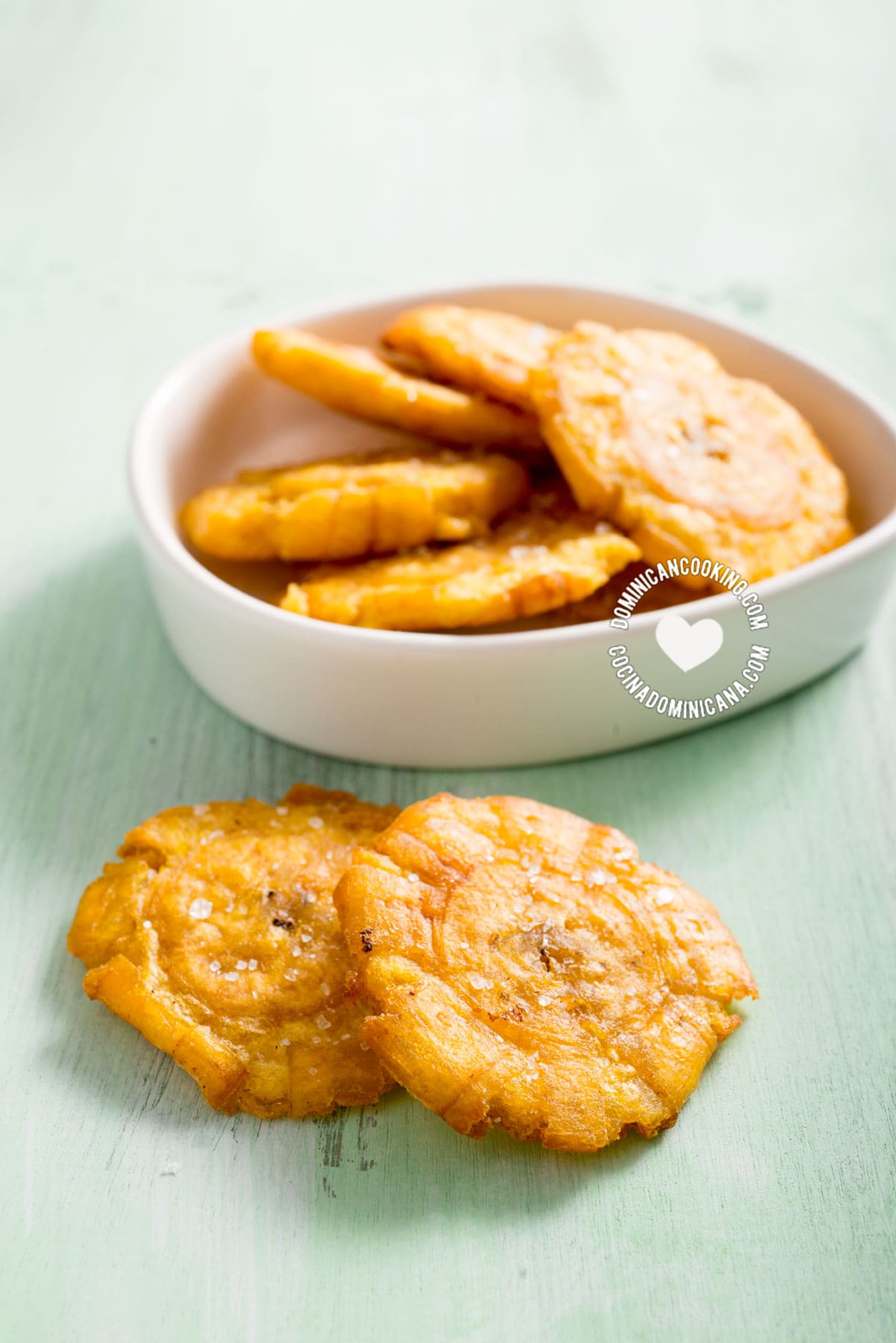
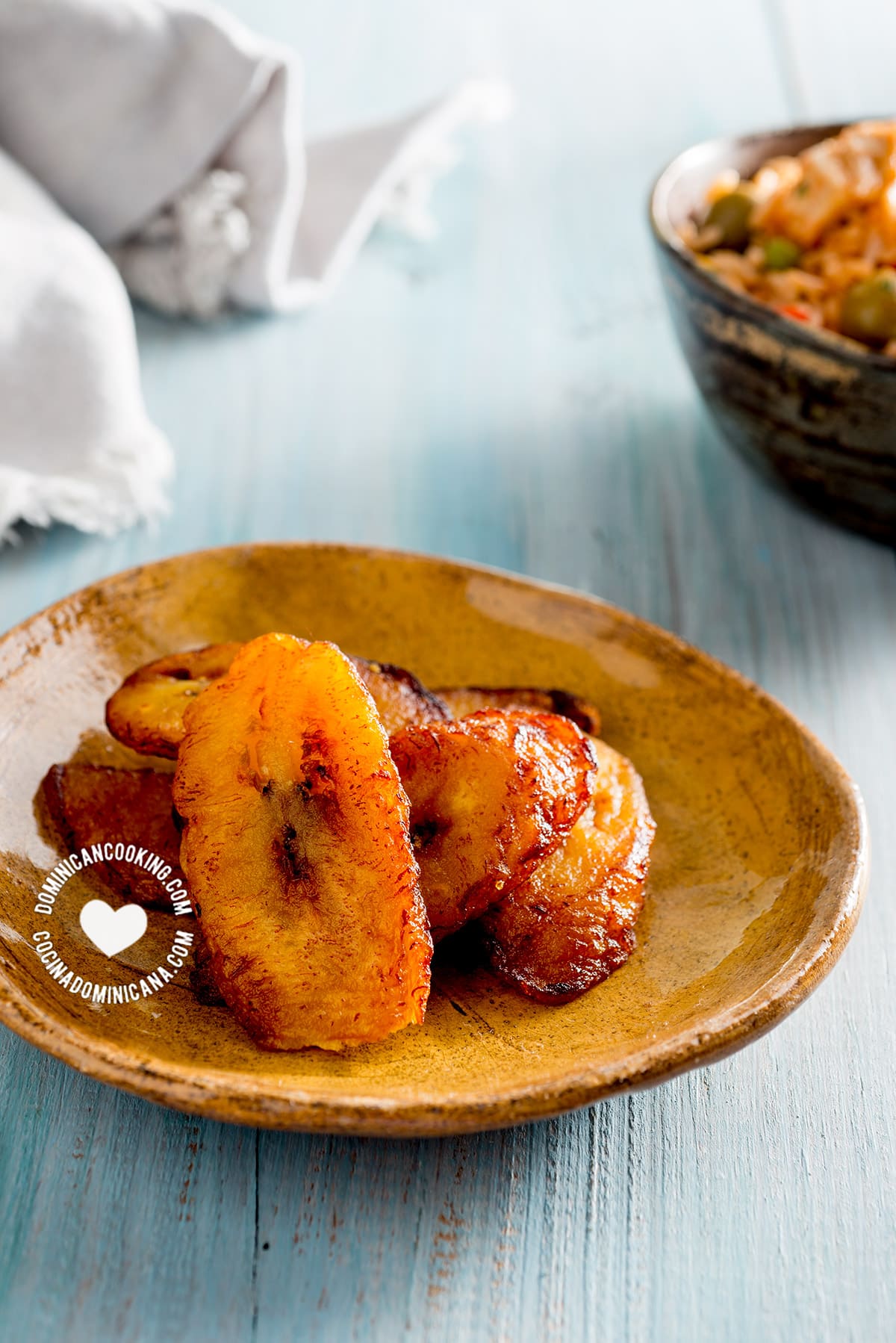
Tostones (fried green plantains).
Maduros (fried sweet plantains).

Fried plantains.

What's aplatanado?

Roughly, and translated literally, aplatanado means "being plantain-like". In this context, however, it has a different meaning: It's used to describe a foreigner who has adopted our country's customs [1].

This word is also used in Cuba, where "acubanearse" [1] is more common. In some countries, aplatanarse means "to surrender to indolence or inactivity, especially due to the influence of the environment or tropical climate"[2].

Why plantains?

As plantains are a traditional, indispensable, and favorite addition to our daily meals, they have apparently been chosen to represent our sense of being Dominican in the same manner that people from the US have chosen apple pie.

In our country, being told that you're aplatanado is a compliment. It means that you've been accepted and that we consider you to be one of us.
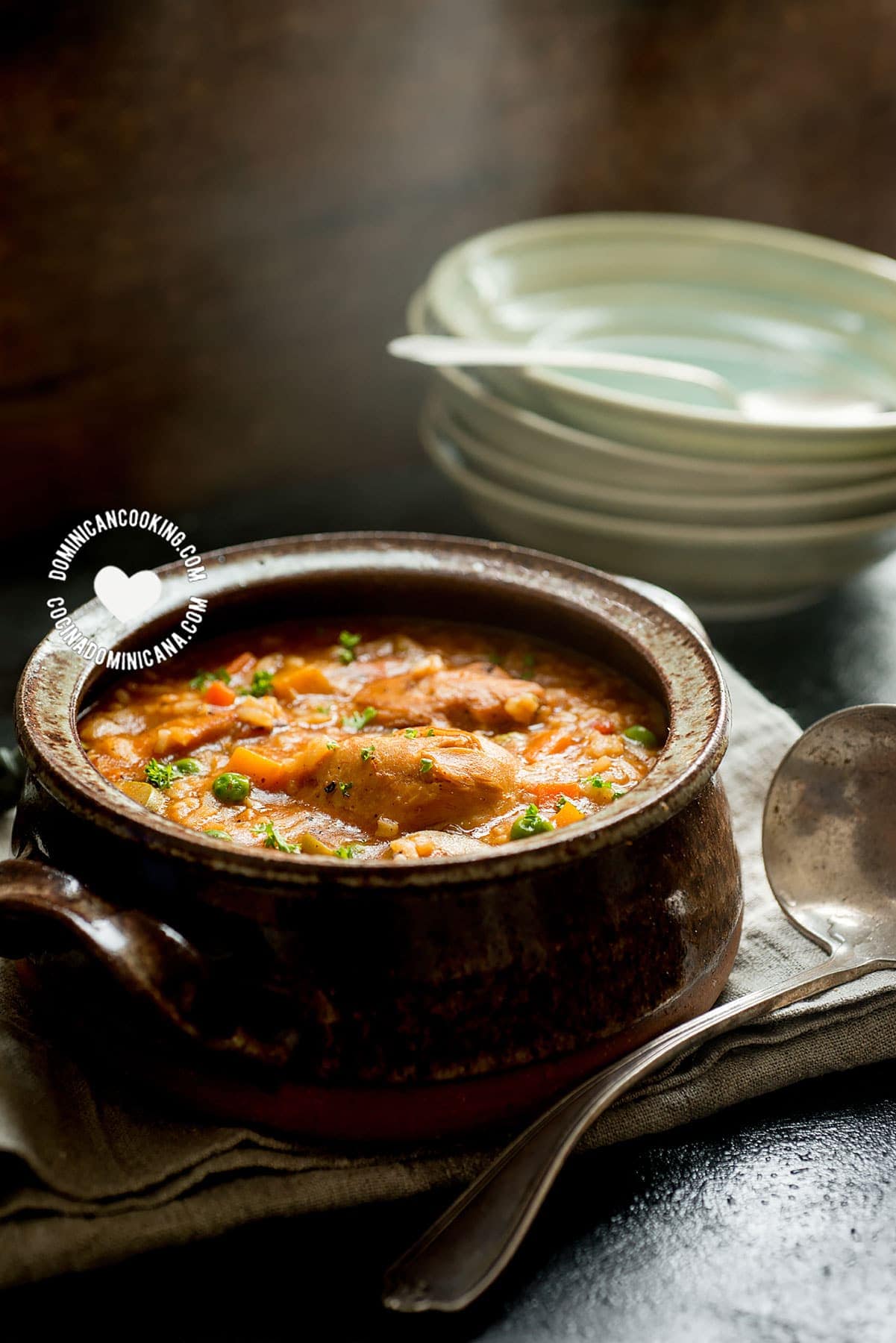
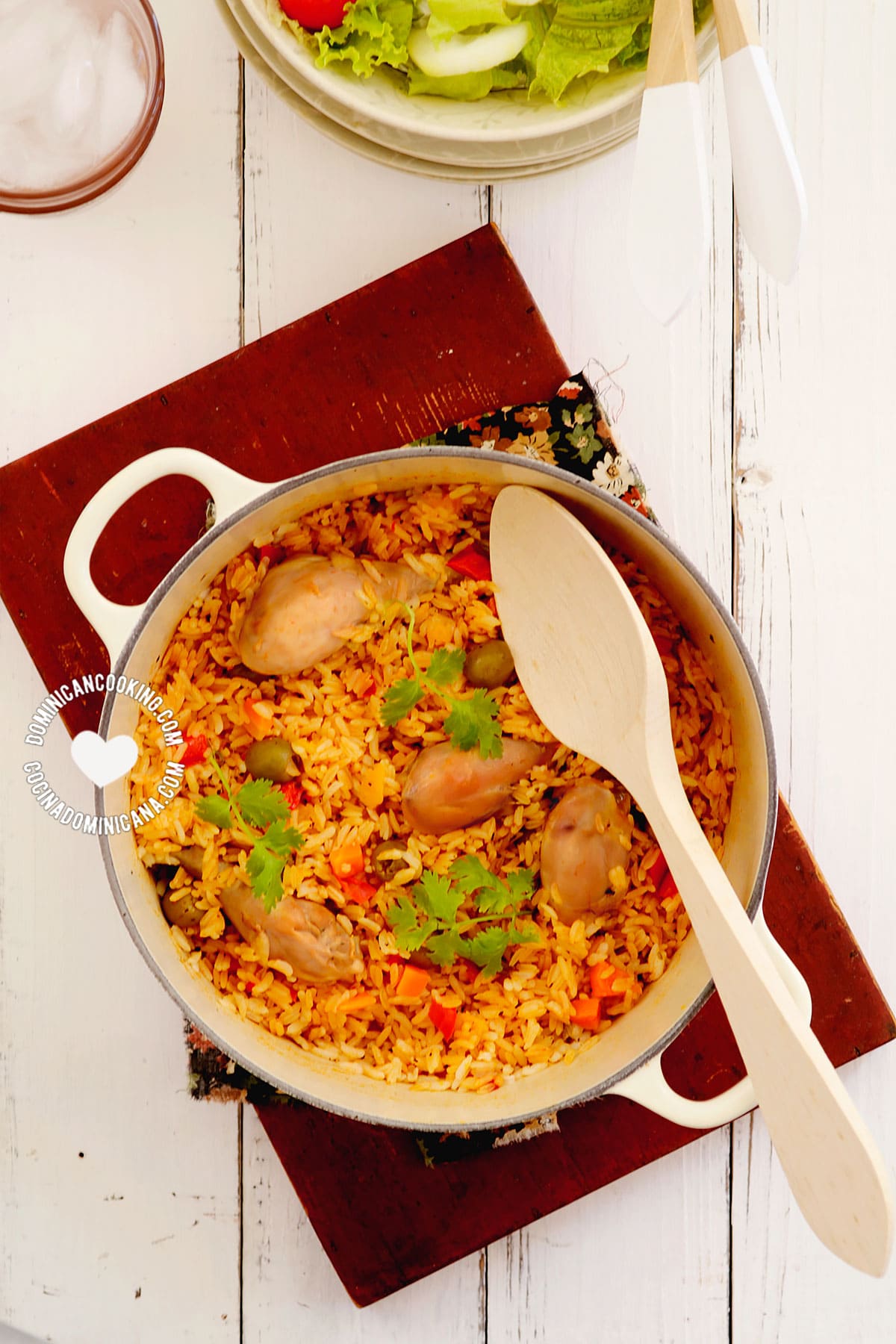
Asopao de pollo (chicken and rice pottage).
Locrio de pollo (rice with chicken).

Asopao and locrio.

You don't have to be a Dominican citizen to be aplatanado. Actually, it implies that you're a foreigner who has adapted to our culture. Being aplatanado means that you eat our food, have learned to enjoy our music, and have come to love our country--warts and all.

So, if you recognize yourself in our stories, and you're familiar with the taste of the dishes on our site, if you crave sancocho every time it rains, and you know the difference between locrio and asopao, if you know what dishes go with tostones, and which go with fritos maduros, we hereby declare you Officially Aplatanado.

Congratulations!

Tia Clara

References

  1. Orlando Inoa, Diccionario de Dominicanismos. Sto. Dgo: Ed. Letra Gráfica, 2015. Pag. 20
  2. Diccionario Real Academia de la Lengua Española (DRAE)

¡Hola 👋! Thanks for visiting.I'm Tía Clara, your Internet 🇩🇴 Auntie and hostess.

- Learn more about me and the humans behind this blog.
- Share your questions and comments about this post.
- Subscribe to receive our recipes and articles by email.
- Please stay in touch! Follow us on:
More Dominican Food History, Culture, and Traditions

  • Tayota or chayote.
    Glossary of Dominican Words for Foods and Ingredients
  • Casabe.
    Casabe (Cassava Bread Recipe and History)
  • Dominican mangu.
    Where Does the Word Mangú Come From?
  • Dominican fria (cold beer).
    What's a Fria? Dominican Beer Culture
Recipe Rating


Recipe Rating


This site uses Akismet to reduce spam. Learn how your comment data is processed.

4 Comments
Most Voted
Newest Oldest

Primary Sidebar

Tia Clara's Dominican Cooking
The oldest and largest Dominican cooking website, with 25 years of dependable, authentic traditional Dominican recipes and the best of Dominican food culture and traditions.
More about us ➜

  • Facebook page
  • Instagram account
  • Youtube channel
  • Pinterest account
  • Bluesky
La Bandera Dominicana free ebook.

Don't miss

  • Bizcocho dominicano (dominican cake).
    Dominican Cake (Bizcocho Dominicano)
  • Quipes (dominican kipe).
    Quipes or Kipes (Dominican Kibbeh)
  • Morir sonando (milk and orange drink).
    Morir Soñando (Dominican Milk and Orange Juice Drink)
  • Dominican pollo guisado
    Pollo Guisado (Braised Chicken)
  • Mangu (Dominican mashed plantain).
    Mangú (Traditional Dominican Mashed Plantains)
  • Sancocho
    Sancocho (Dominican Sancocho Stew)
  • Mofongo.
    Mofongo Recipe: Garlicky Fried Plantains and Pork
  • Tostones (Twice-Fried Plantains)
    Tostones (Crispy Twice-Fried Plantains)

Most popular Most recent

Footer

Featured on.

In English | En Español

Get recipes and more by email.

SIGN UP

Follow us on:

  • Facebook
  • Instagram
  • YouTube
  • Pinterest
  • Bluesky

Made in 🇩🇴 with ❤️

Readers love:
- Dominican food guide
- Popular Dominican desserts
- Dominican drinks
- Tres Golpes Dominican breakfast
- Mamajuana drink
- Stewed gizzards
- Air fryer chicharrones
- Fried cheese
- Locrio de pollo

As Amazon Associate, I earn from qualifying purchases. Read more...
© 2026· LUNCH CLUB BOOKS, LLC ALL RIGHTS RESERVED. Tia Clara® is a registered trademark.
DO NOT reproduce without authorization.


↑ BACK TO TOP | ABOUT US | BLOG | CONTACT US | WE GIVE | PRIVACY & POLICIES | DOMINICAN COOKBOOK | PORTFOLIO

wpDiscuz
You are going to send email to

Move Comment