

Mangú, or Dominican mashed plantains, is with "Los Tres Golpes" sides our most beloved breakfast. If you want to make one that delights any Dominican, try my recipe and secrets
By - Reviewed: . Original: August 26, 2001
❝ This came out GREAT I love it... ❞
Why we ❤️ it
Mangú is the most popular plantain-based dish in the Dominican Republic, an iconic traditional Dominican breakfast recipe, our favorite side dish, and one of the most popular Dominican foods.
A creamy, smooth plantain mash, Dominican mangu is a great dish to start our days, and an unforgettable treat if you try it for the first time.
What is Mangu?
Mangu is a Dominican-style mashed plantain dish, which is made by boiling green plantains and mashing them with some water, salt, and oils or butter. The word mangu is also often used to mean mashed food, like mangu de guineo verde, and mangu de yautia.
Served with Los Tres Golpes - our favorite Dominican Breakfast, mangu could probably be called Dominicans' Official Breakfast Dish.
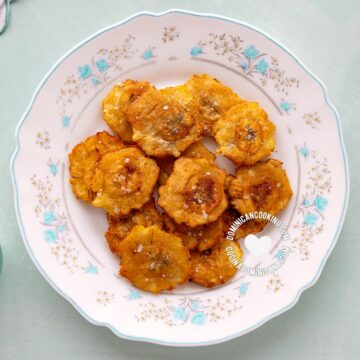
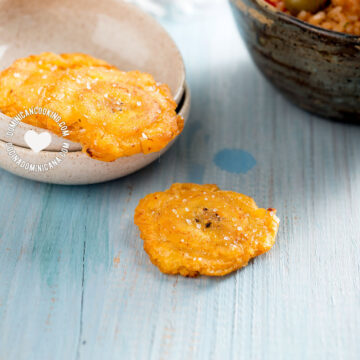
Alongside tostones and mofongo, mangú is one of the most popular plantain recipes in the Dominican Republic.
Read more about the name and history of this beloved dish.
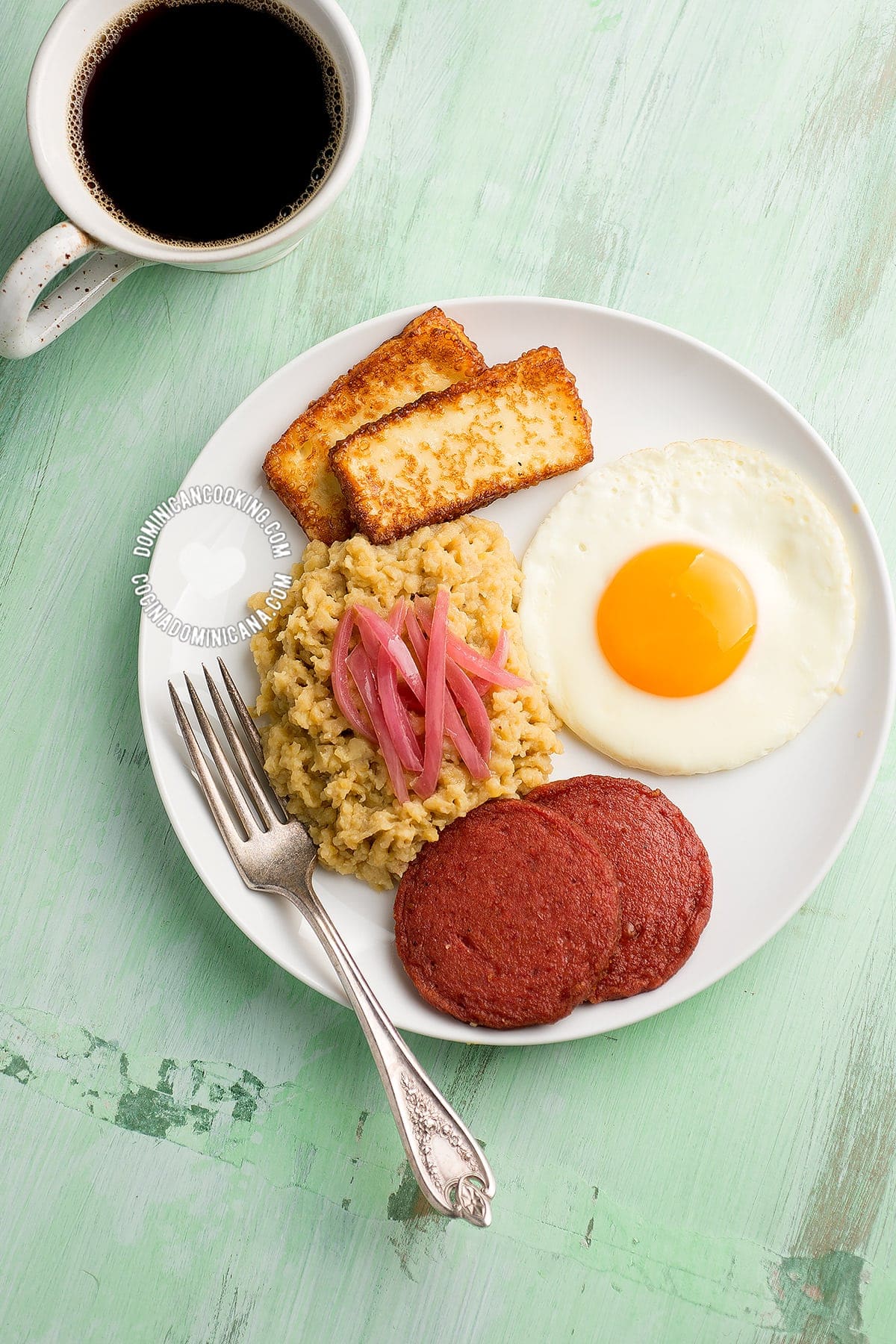
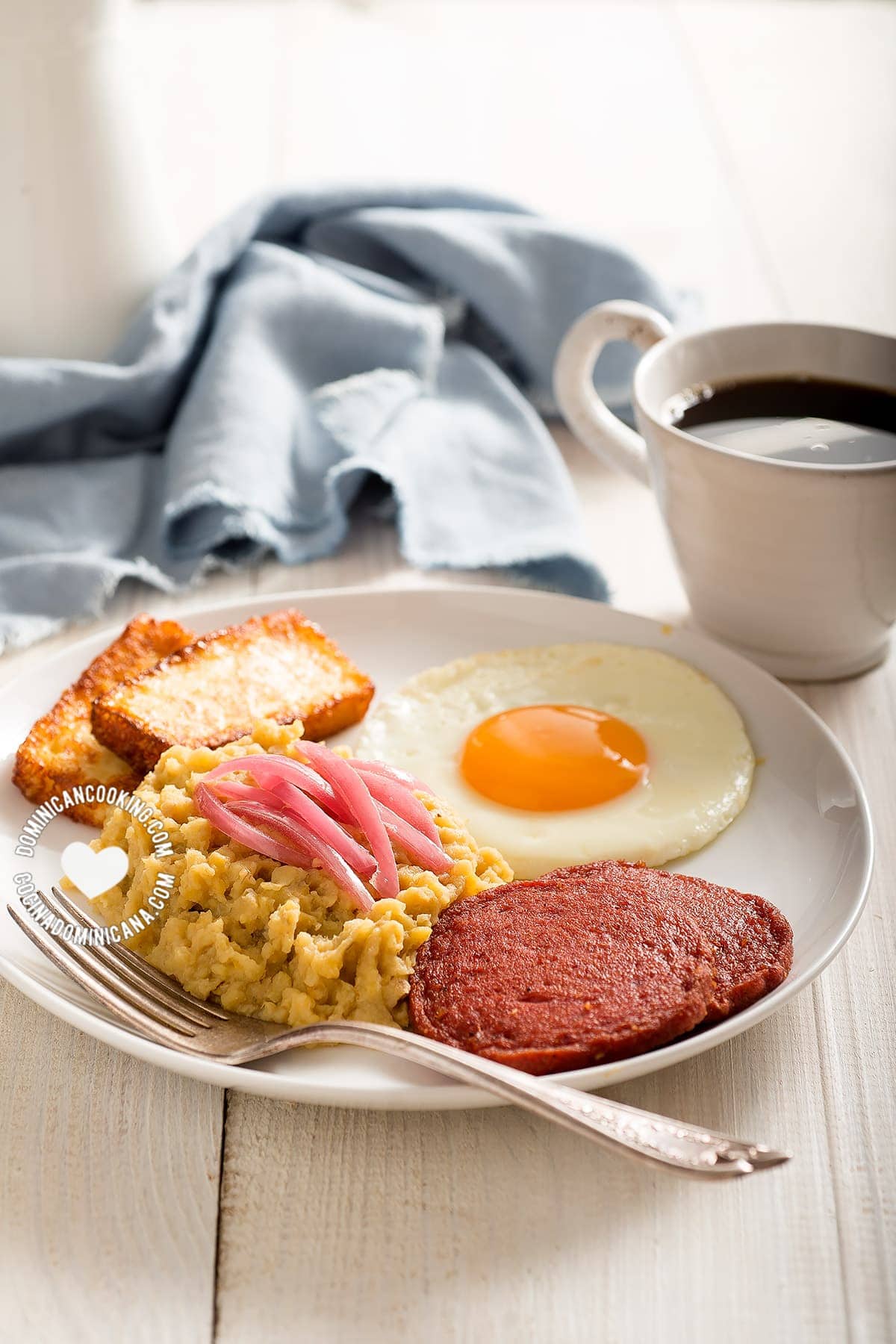
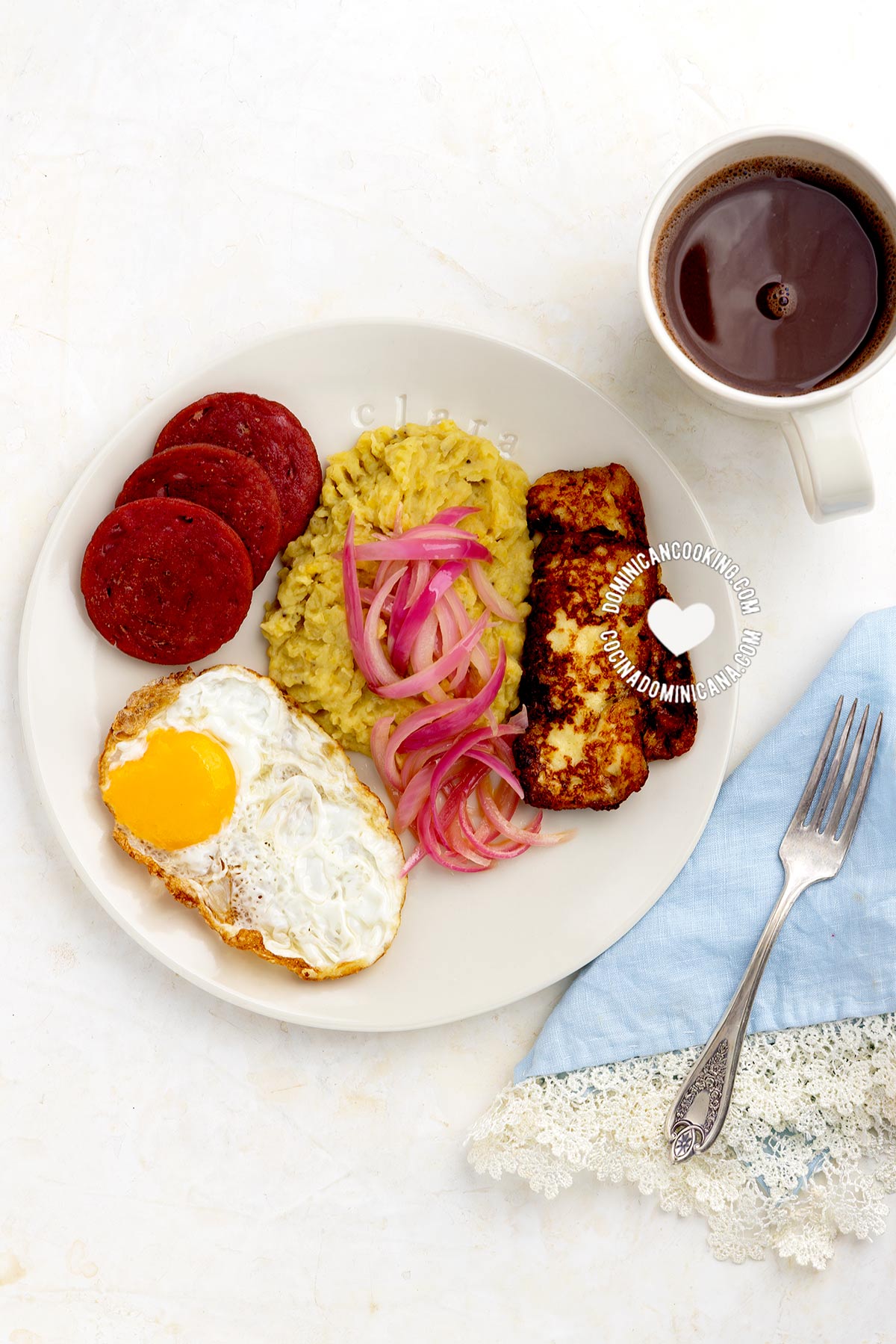
Mangu and Los Tres Golpes.
Serving suggestions
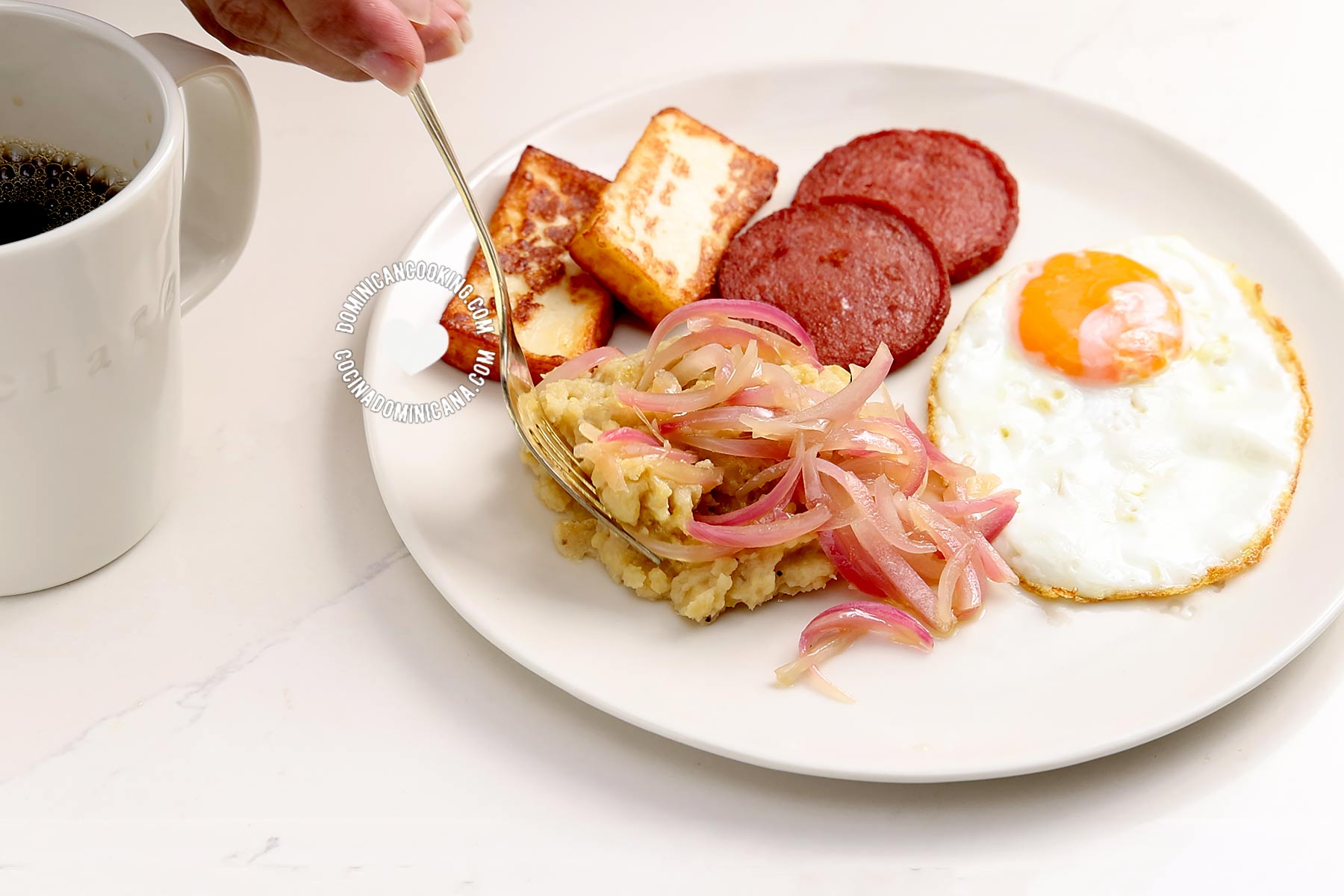
Mangu is traditionally topped with flavorful Dominican red onion slices in vinegar and served with fried eggs, fried cheese (crispy, golden brown, fried queso de freir), and fried salami (Dominican sausage).
This combination is then referred to as Mangu con Los Tres Golpes (the three beats).
While not a typical presentation, I love Mangú with Pollo guisado (Dominican chicken) for lunch.
Top tips
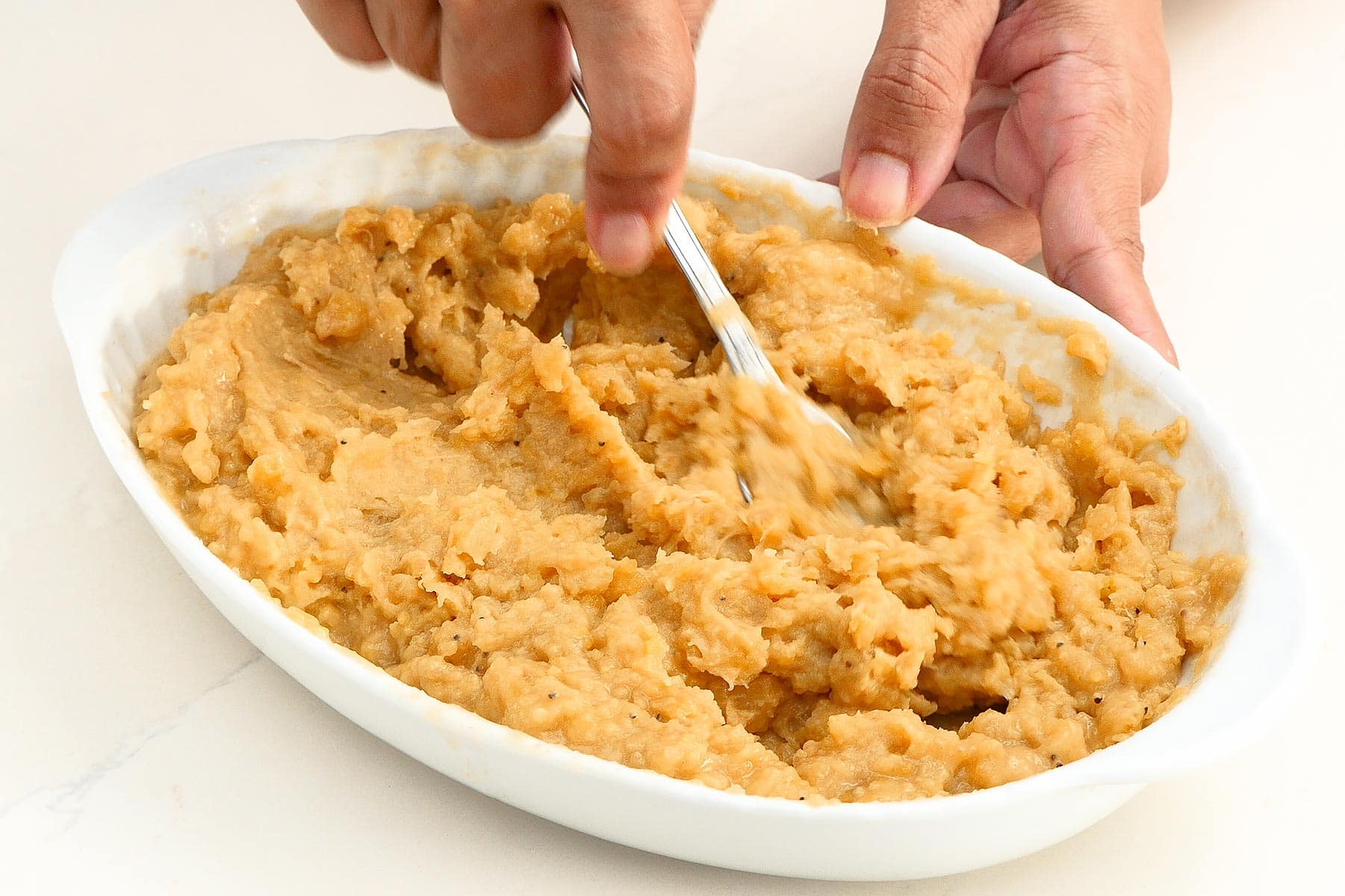
- Creamy mangú: My trick for a very smooth mangu is to add a bit more water than it seems necessary at first. As it cools down, mangu will inevitably get harder, so start with a mushy mangu, and by the time it gets to the table it will have a soft and creamy consistency.
Also, you'll need to mash very well; there's nothing worse than a lumpy mangu. - Consistency: Keep in mind that once cooled, and by the time you get it to the table, it will become thicker so make it a bit thinner than you'd think you like it.
- Mashing: Mash the plantains as much as possible so there are no lumps in the mangú. We typically use a fork for it, but you can also use a potato masher.
- Low-carb mangú? If you're looking for a low-carb version, check out this recipe.
- Leftovers: Leftover mangu can be kept in the fridge for up to a week in an airtight container.
- Reheating: To reheat, microwave, or reheat the leftovers in a pan, just remember to add a bit more water because it will otherwise be too dry.
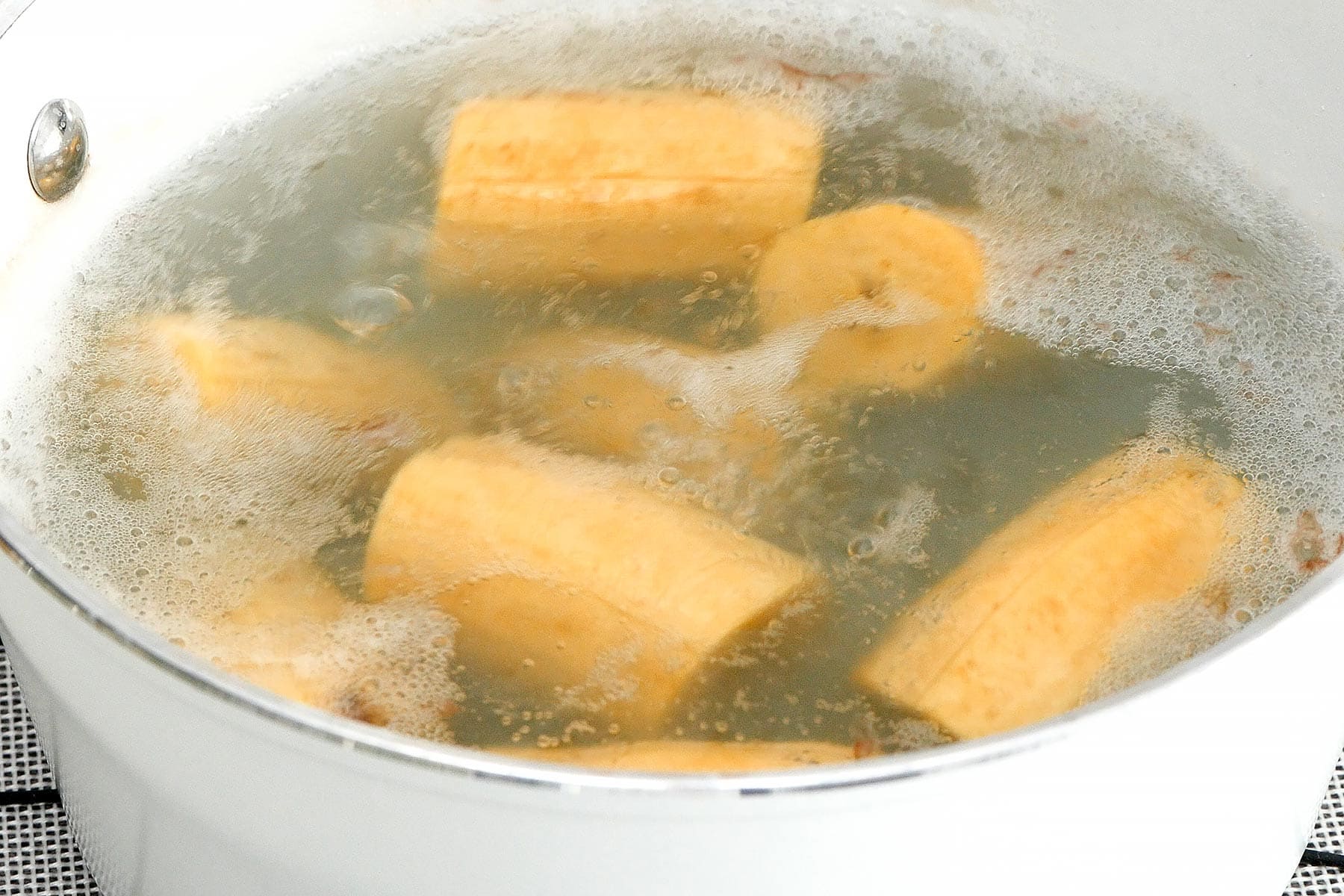
- Boiling time: How long you need to boil the plantains for mangu will depend on the quality of the plantains, their freshness, and how small you cut them. It will take anywhere from 15 to 25 minutes.
About this recipe
The original traditional mangú recipe called for lard, but nowadays we use butter or oil.
I like olive oil in my mangu, but this is a matter of personal preference, so feel free to use that, vegetables oil of your preference, or use butter if that's what you prefer.
Our mangu recipes and tips results in the creamiest, smoothest mangu, so don't hesitate to try it.
Do you have any trick you'd like to share? Let me know in the comments!

Video
Recipe
This awesome free recipe contains Amazon affiliate links, we receive a small commission from any purchase you make at no extra cost to you. Thanks for your support!

Mangu [Video+Recipe] Dominican Mashed Plantains
Ingredients
To make mangu
- 2 plantain (green, unripe)
- 1½ teaspoons salt, (or more, to taste)
- 6 tablespoons salted butter, or olive oil, whichever you prever
To make onion garnish
- 2 tablespoon olive oil
- 2 red onion, large
- 1 tablespoon fruit vinegar
- salt
Instructions
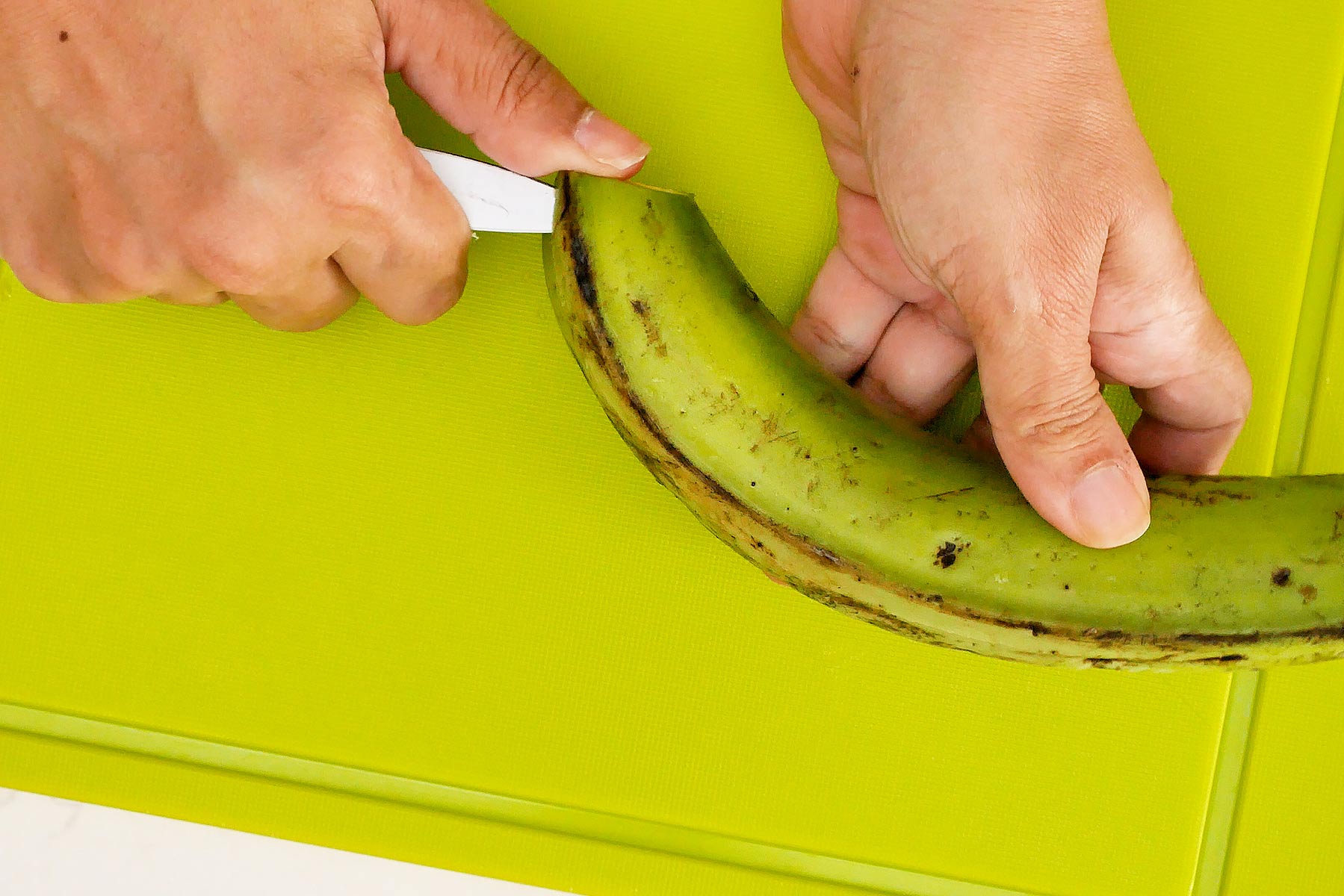
1. Peeling plantains
 Peel the plantains (see how-to) and cut into quarters
2. Boiling
- Place the plantains in a pot and add enough water to cover the plantains plus some more. Add 1½ teaspoon of salt to the water.Boil the plantains they are very tender (about 15 minutes).
3. Mashing plantains
- Remove the plantains from the water and mash them with a fork right away until they are very smooth and there are few to no lumps.Mix in butter, and progressively add a cup of water at room temperature and keep mashing and mixing until it turns into a very smooth puree (see tips above the recipe).Season with salt to taste if you think it necessary.
4. Cooking onions
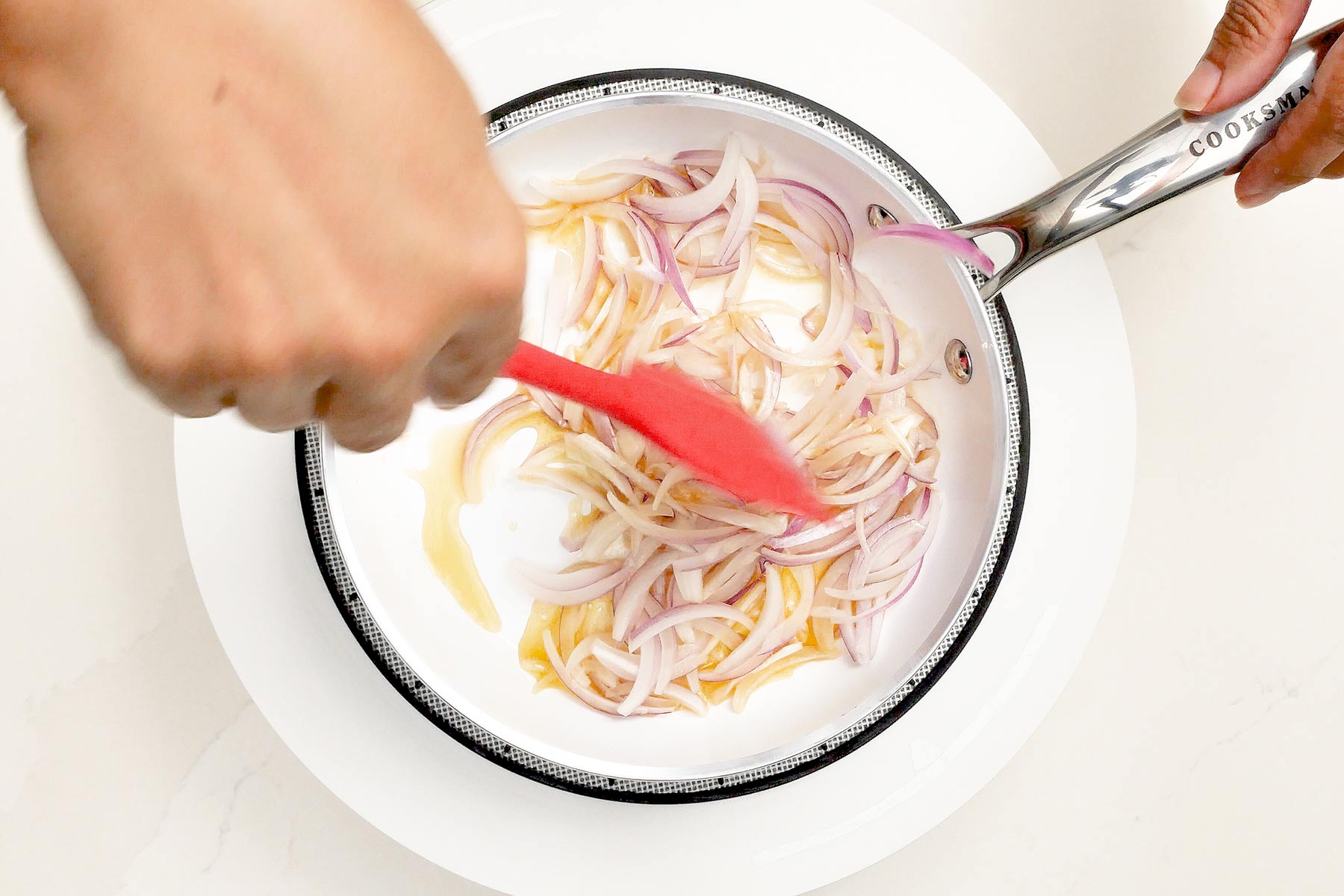
- Heat a tablespoon of olive oil in a skillet over low heat. Add onions and cook and stir until they are heated.Pour in vinegar and season with salt to taste, once it's all heated, remove from the heat.⚠️ The onions should still have some crunch to it, but you may cook it more if that's what you prefer.
5. Serving
- Garnish mangu with the onions and serve per suggestions above.
Cook's Notes
Nutrition
Nutritional information is calculated automatically based on ingredients listed. Please consult your doctor if you need precise nutrition information.
Want to save this recipe?
Enter your email & I'll send it to your inbox. ❤️ Plus, get great weekly recipes from me!
More plantain recipes
Plantains are an iconic Dominican ingredient, and we've adopted it as symbol of our identity -- #platanopower. You can find all the Dominican plantain recipes in our collection. Some can't-miss classics are Tostones (twice-fried plantains), the tasty, garlicky Mofongo, the lovely Fritos maduros, and our irresitible Pastelón de plátano maduro casserole.

- Learn more about me and the humans behind this blog.
- Share your questions and comments about this post.
- Subscribe to receive our recipes and articles by email.
- Please stay in touch! Follow us on: