

Can you still enjoy your favorite traditional dishes if you are a diabetic? Yes, by following the Diabetes Dominican Diet and these simple steps. In this exclusive article, author and dietitian Lorena Drago explains how to adapt the Dominican diet to the needs of diabetics.
By - Reviewed: . Original: Nov 5, 2007
Lorena Drago, nutritionist and member of the American Diabetes Association brings us this exclusive article.
Yes, you can continue eating and enjoying your favorite traditional dishes by following the Diabetes Dominican Diet and following these simple steps:
The Dominican Diabetes Diet
Control your sugar levels
The number one goal of diabetes treatment is to keep your blood sugar (glucose) levels as close to normal as possible. Your fasting blood sugar levels should be between 80-130 and no higher than 150 two hours after meals.
Focus on YOUR numbers
Diabetes management is not a one-size-fits-all. Your father's treatment doesn't have to match yours. Keeping your blood sugar levels as close to normal as possible decreases the risk of heart, kidney, and eye disease.
Control your portions
The key to blood sugar control is to watch your PORTIONS and watch out for foods that contain CARBOHYDRATES. Carbohydrates turn into sugar and eating too many foods that contain carbohydrates will elevate your blood sugar levels.
Frequent questions
1. Why do I have to stop eating rice, bread, cassava, ñame, and other viveres?
Foods such as rice, bread, cereals, cassava, plantains, name, and other viveres contain carbohydrates. Carbohydrates get converted into sugar. You can still eat foods that contain carbohydrates at every meal but you have to limit the portions.
2. What other foods contain carbohydrates?
All fresh fruits, frozen fruits, juices, canned juices and dried fruits, vegetables, milk, and yogurt, sweets, and desserts.
3. So if I have to stop eating all of the foods that have carbohydrates, what is there to eat?
You don't have to stop eating foods that have carbohydrates; you can still eat small portions of those foods at every meal. One serving of most starches is about ½ cup or about the size of a cupped hand. Most people need about two servings per meal. One serving size of fruit is about the size of a baseball.
Remember: Consult with a dietitian or diabetes educator to help you find the right amount of carbohydrates per meal.
4. What about protein and fats? Are they bad for me?
Protein foods such as fish, eggs, turkey, chicken, beef, and pork are not converted into sugar. Remove the skin from the poultry and excess fats from meats. To select the leanest cuts of beef and pork choose those that end in "loin" or "round." Choose healthy fats such as olive, canola, peanuts, nuts, and avocados.
Remember: Eat small portions of protein and fats.

What to eat
Before you eat, determine which foods have carbohydrates. Serve small portions of foods that have carbohydrates
Breakfast
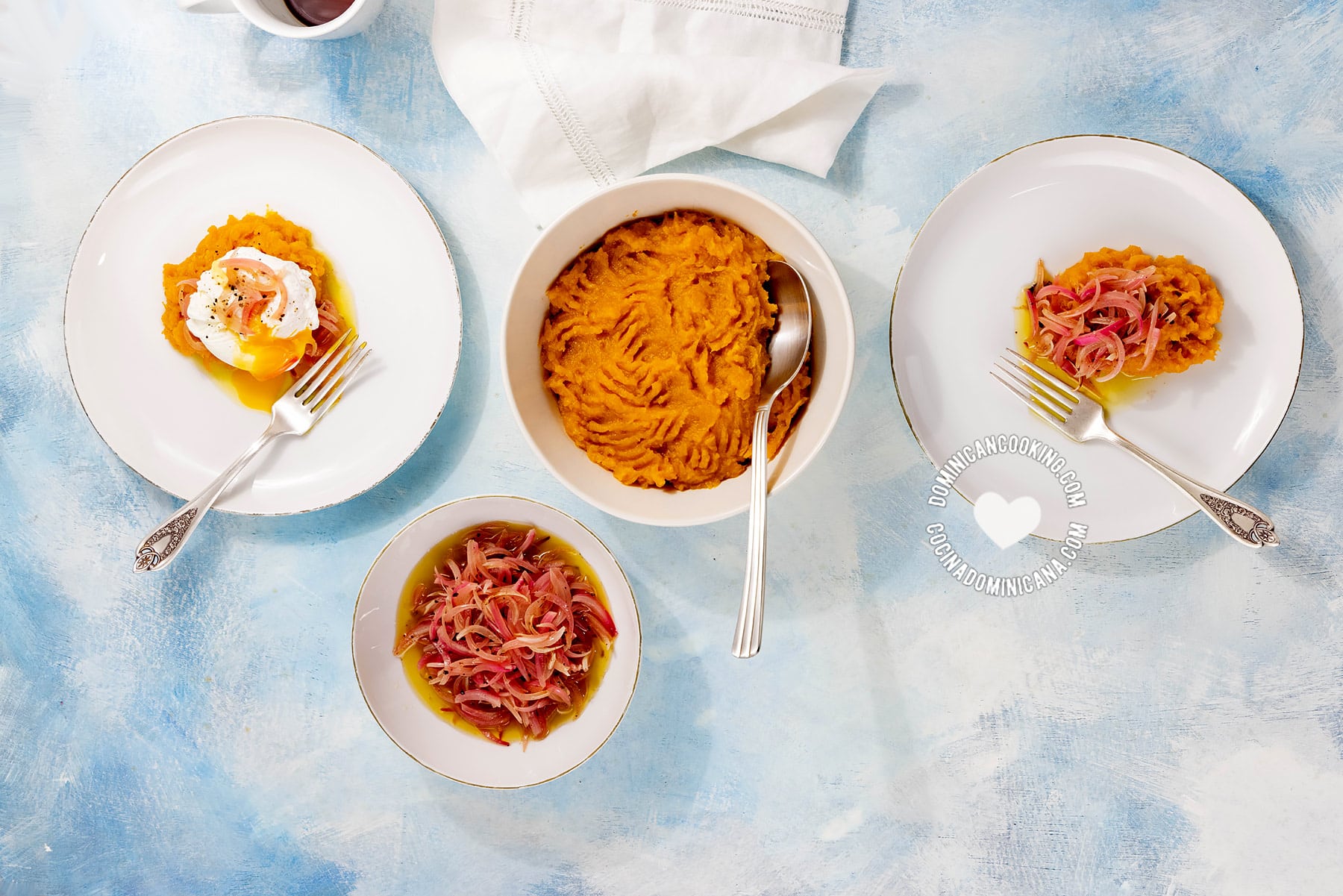
Traditional breakfast foods with carbohydrates: Mangu, morir soñando, oatmeal and oatmeal drinks, cold cereals, juices, bread, yuca (cassava), milk, batidos or shakes with fruit.
Tip: Keep portions very small.
Lunch and dinner
Traditional lunch and dinner foods with carbohydrates: Rice, beans, plantain, viveres, plantains, corn, peas, potatoes, spaghetti and other pastas, shakes or batidos made with milk and juice, regular sodas, fruits, sancocho, casabe, empanadas, and other foods made with wheat, corn, cassava or plantain flours.
Tip: Fill half of your plate with vegetables such as eggplant, salads, broccoli, etc. Fill one-quarter of your plate with any of the above foods and the other quarter with lean protein food such as fish, turkey, and chicken breast.

MS RD CDN CDE
Lorena Drago, M.S., R.D., C.D.N., C.D.E, a diabetes educator and consultant for more than 20 years, is the chair of the Hispanic Latino Specialty Practice Group of ADietA. Ms. Drago is the author of Mas alla del arroz y las habichuelas (Beyond Rice and Beans): La guia latino-caribeña para comer sano con diabetes (Amazon affiliate link).
Should you have any questions, please ask your doctor, who knows your case better.
More information
For more information and to find a diabetes educator in your area contact:
www.eatright.org
American Diabetes Association Home Page
American Association of Diabetes Educators

- Learn more about me and the humans behind this blog.
- Share your questions and comments about this post.
- Subscribe to receive our recipes and articles by email.
- Please stay in touch! Follow us on: