
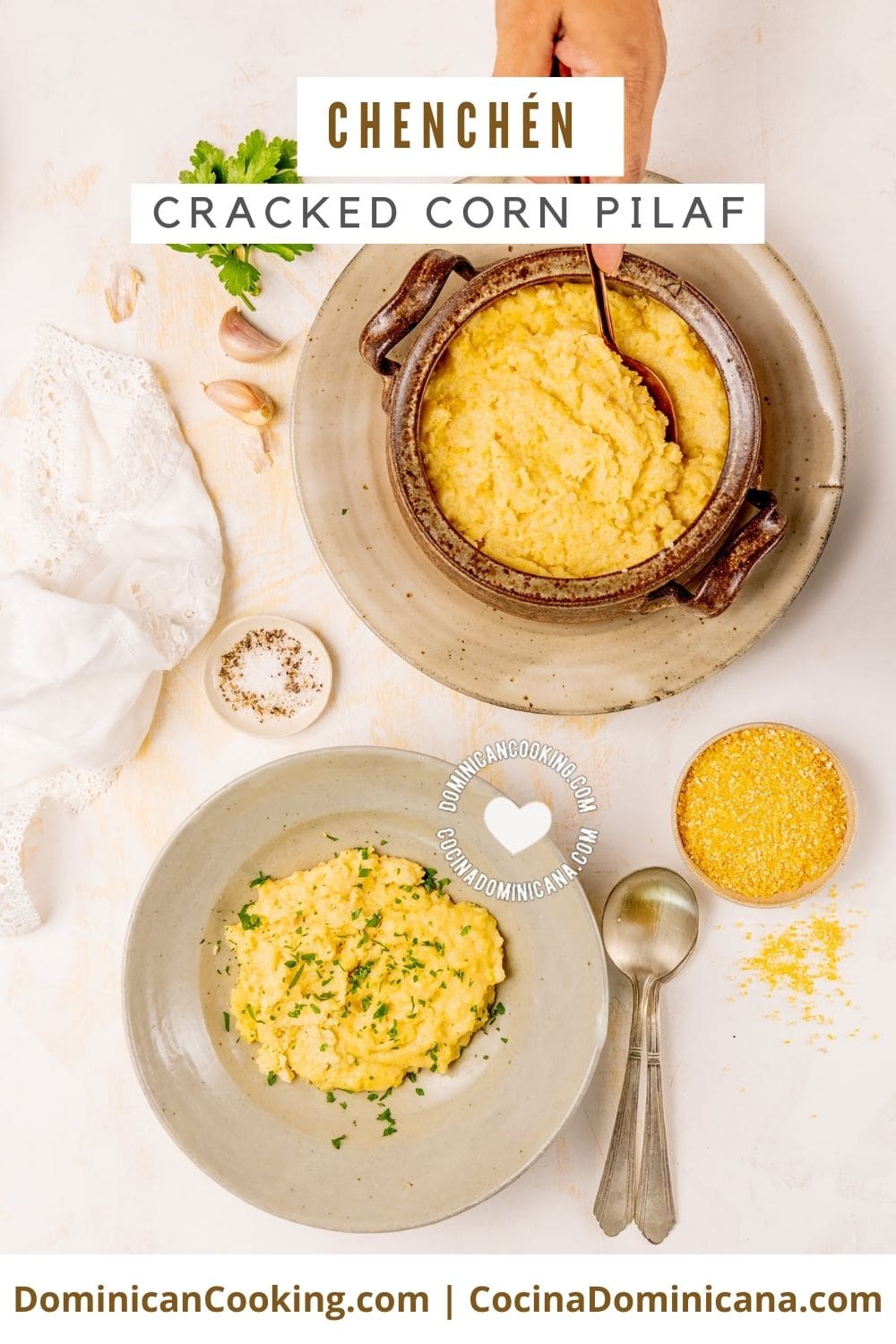
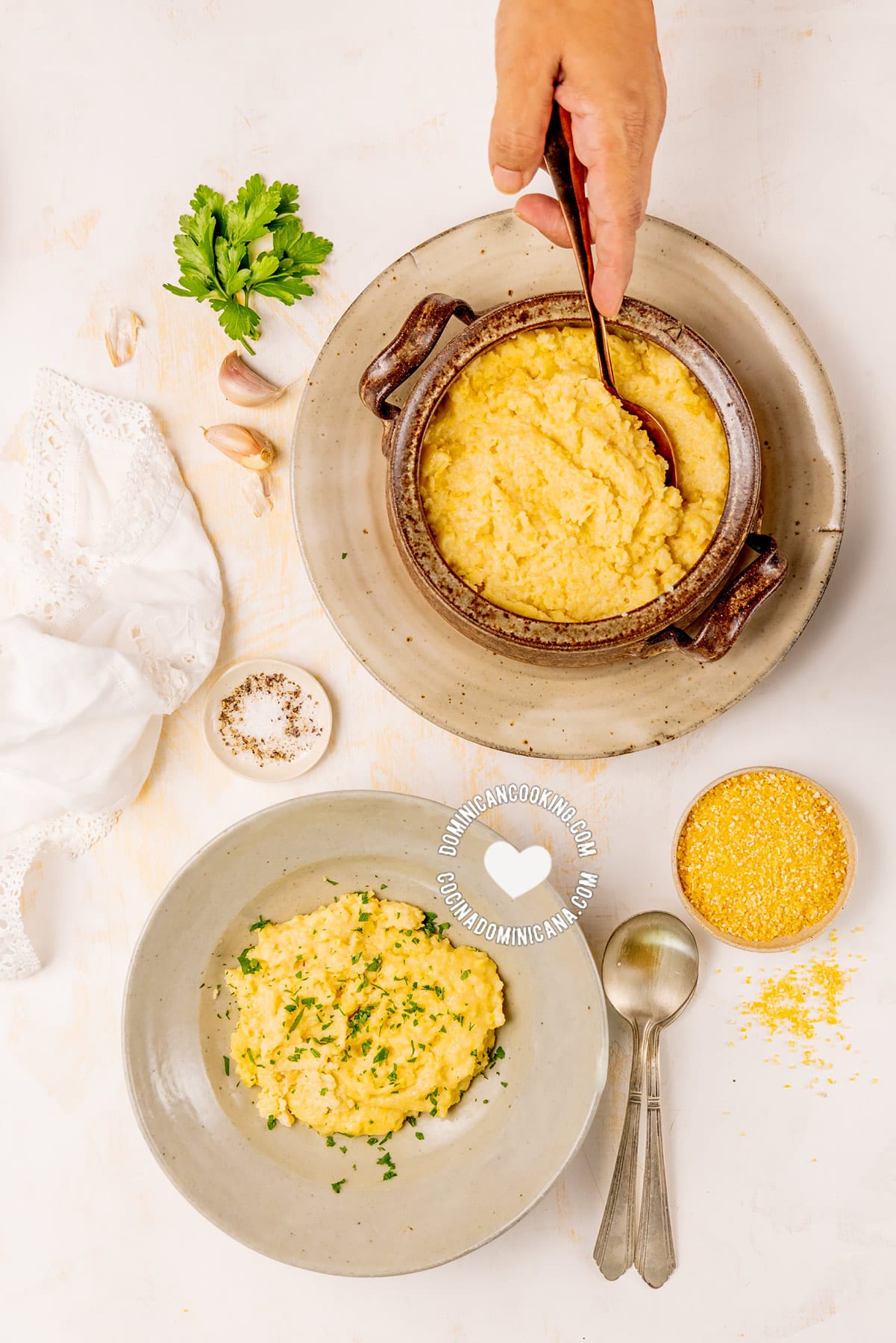
Chenchén (Dominican cracked corn pilaf) originates from the southwest provinces of the Dominican Republic and is a delicious substitute for rice in our diet. If you're looking for something new, this is a great candidate to bring a "tierra adentro" treasure to the table.
By - Last reviewed . Published Mar 27, 2012
Why we ❤️ it
If I had a penny for every time someone wrote to me requesting we added this recipe, I'd have... exactly 13 cents. Not a lot, mind you, but the point is: this recipe, although uncommon outside of its birth region seems to be very popular among our readers. And I can see why.
What is chenchén?
Chenchén is a savory cracked corn-based dish. Depending on the cook's taste, it can be described as having a pilaf-like to risotto-like texture, or a finer creamed corn.
Please do not confuse chenchén with chacá, a corn-based dessert, also from the same Dominican region.
Origin
This dish hails from the Southwest of the Dominican Republic – the opposite point of my family's place of origin – and although northwestern cuisine shares some common dishes and ingredients with neighboring Haiti (notably the use of thyme in our cuisine, which seems very rare outside the region), the Southwest has even more in common with our neighbors.
In Haiti, a similar dish – with some differences in ingredients – is called mais moulin [1].
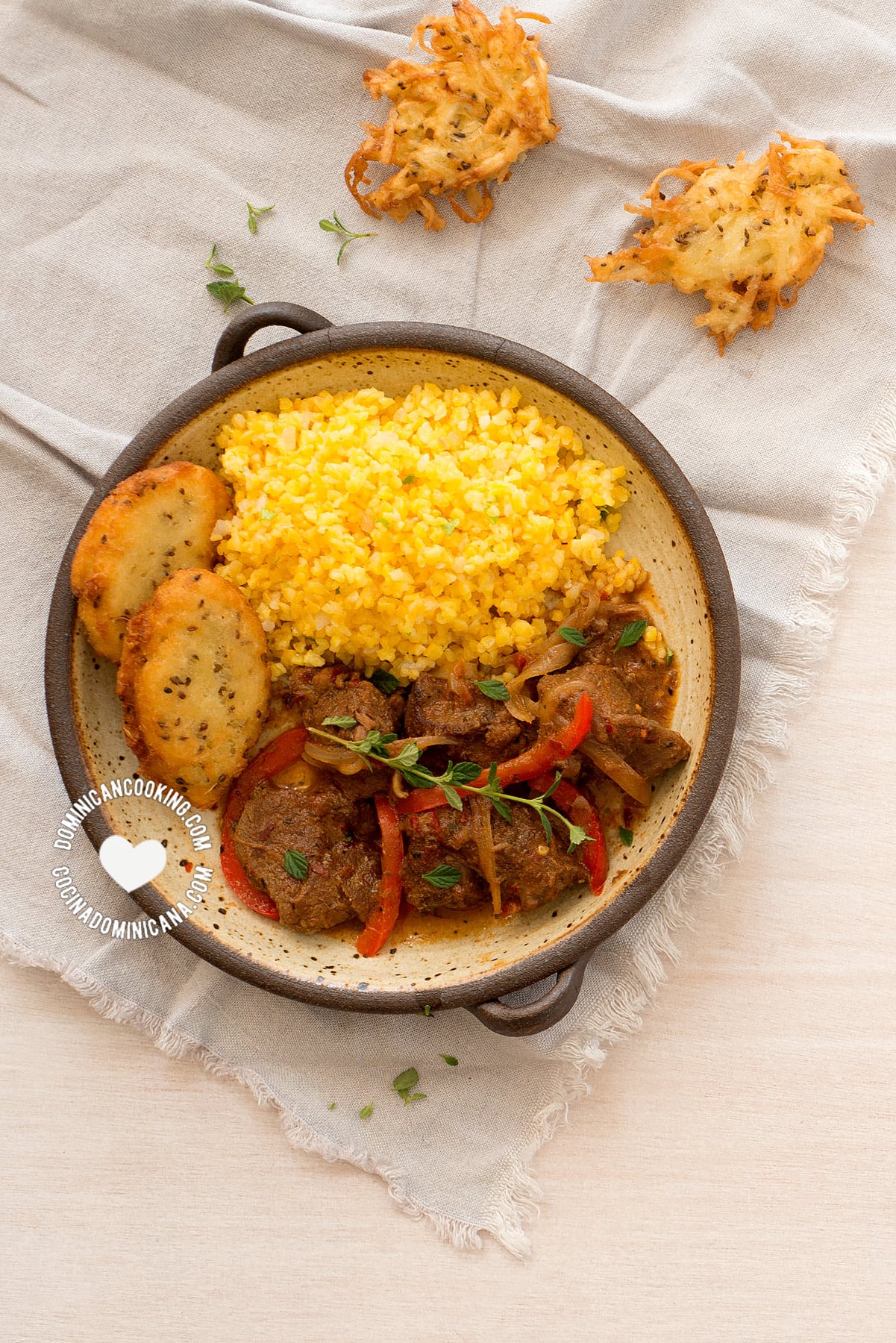
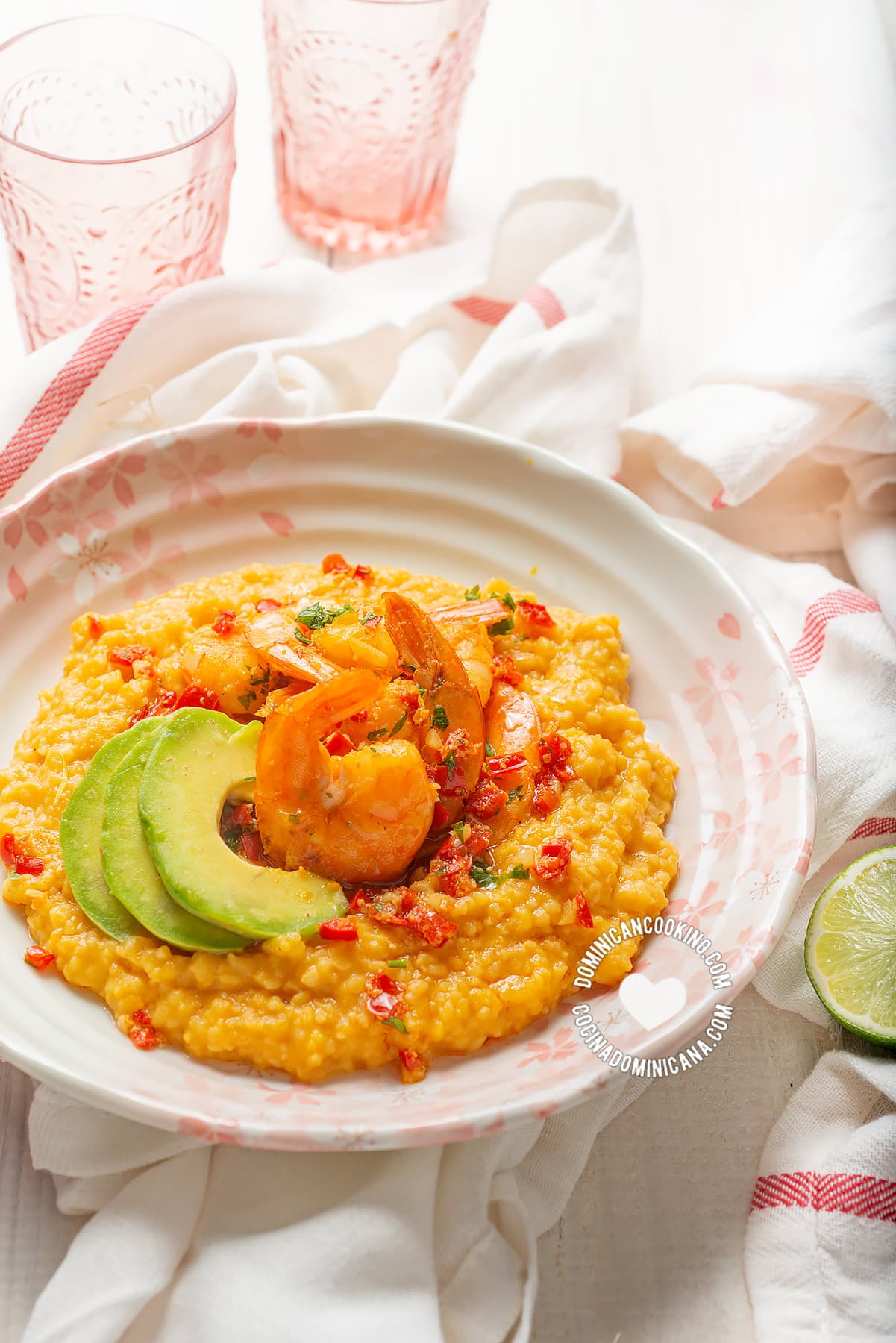
Chenchén with braised goat and with shrimp.
Variations
Generally, there are two ways chenchén is found: a creamy, milk and coconut-based dish, or a pilaf-like dairy-free one. The latter is made with coarse chenchén (the kind you can more easily obtain by hand-grinding the corn), and it's considered the more humble option [2]. It is the former we present here.
In the end, each cook has their own little secrets.
Serving suggestions
Some traditional dishes served with Chenchén are Chivo guisado, Bacalao guisado, or – for a non-traditional combination – with Camarones al ajillo, Camarones guisados, or spicy shrimp.
Top tips
- For this recipe, you need to find cracked corn similar to grits, coarser than polenta. Cracked corn is available under different names. For example, the type used for Chacá is a bigger grain than the one used for this dish.
- You can find the finer one needed for this dish under the names "crushed corn" and "coarse cornmeal" or "coarse ground cornmeal."
- If you prefer a rice pilaf-like consistency, use a coarser grain, do not add water, and cook at medium-high temperature throughout so it stays firmer (graneado).
About this recipe
Please keep in mind that every family seems to have their preferred version of this dish. It is most commonly made with milk and/or coconut milk, though not everyone does. It varies in texture and consistency. I would love to hear what version you prefer.
If you have a different way of making this dish, please share it in the comments.

Video
Recipe
This awesome free recipe contains Amazon affiliate links, we receive a small commission from any purchase you make at no extra cost to you. Thanks for your support!
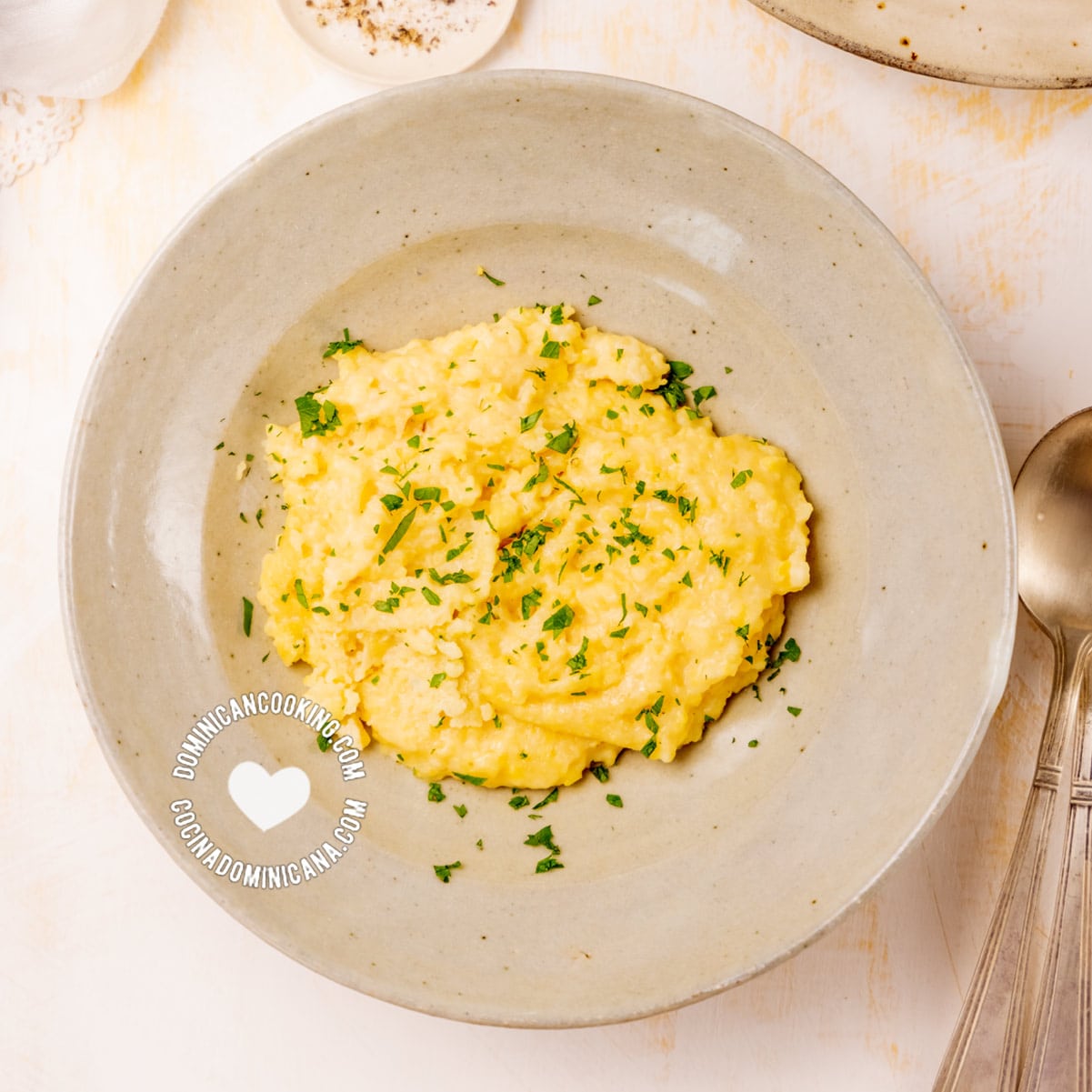
Chenchen [Recipe + Video] Dominican Cracked Corn Pilaf
Ingredients
- 1 cup chenchén , (coarse grind cracked corn) (see notes)
- 1¾ cup evaporated milk, [400 ml]
- 1¾ cup coconut milk, [400 ml]
- 1 cups vegetable broth, unsalted
- 2 tablespoon salted butter, (salted)
- 2 clove garlic, peeled and lightly crushed
- 1½ tablespoon salt, or to taste, divided
- 2 tablespoon minced parsley, to garnish, optional
Instructions
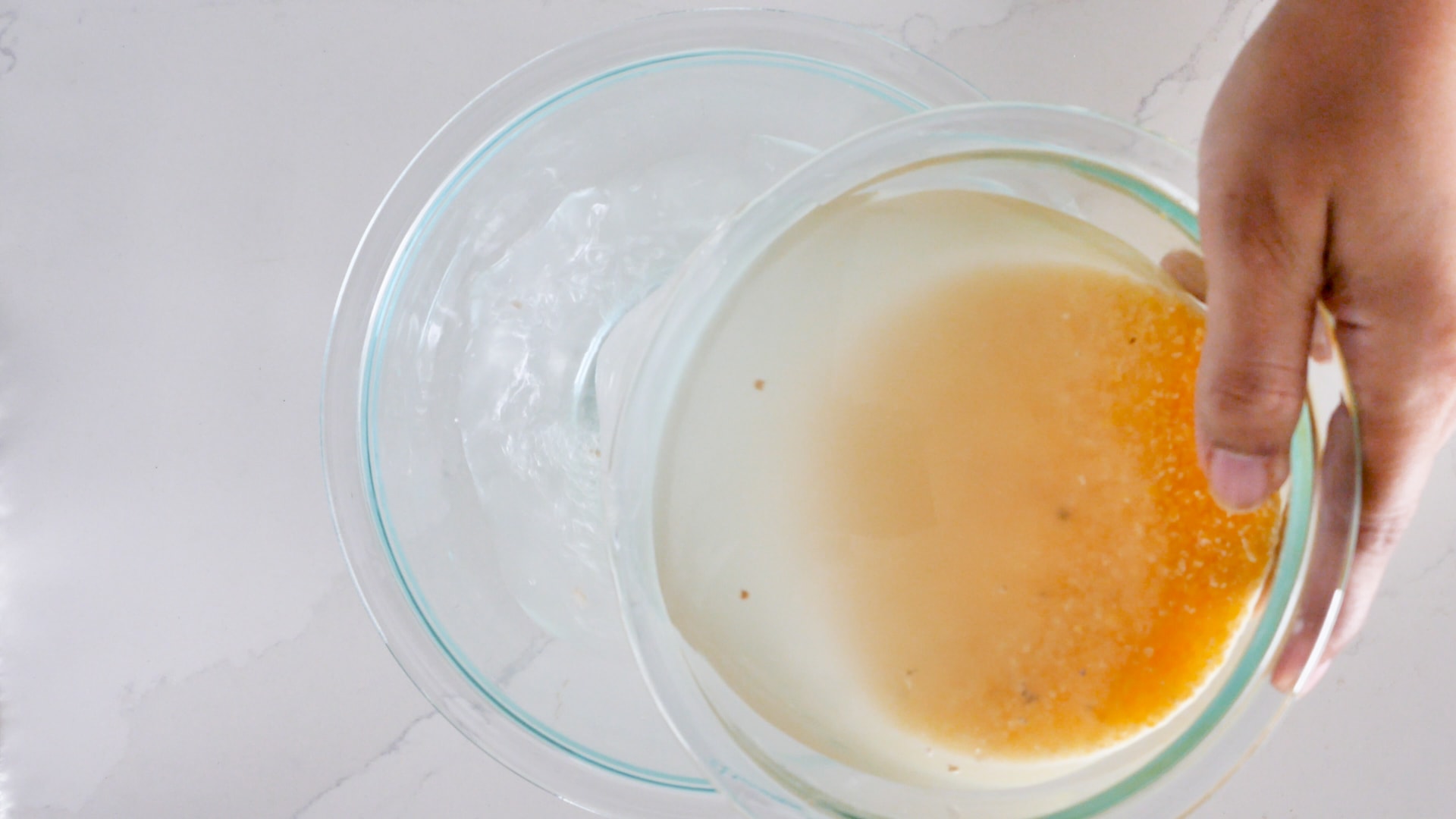
1. Rinsing
 Rinse the corn in abundant water to get rid of stray peels and excess starch.
2. Cooking
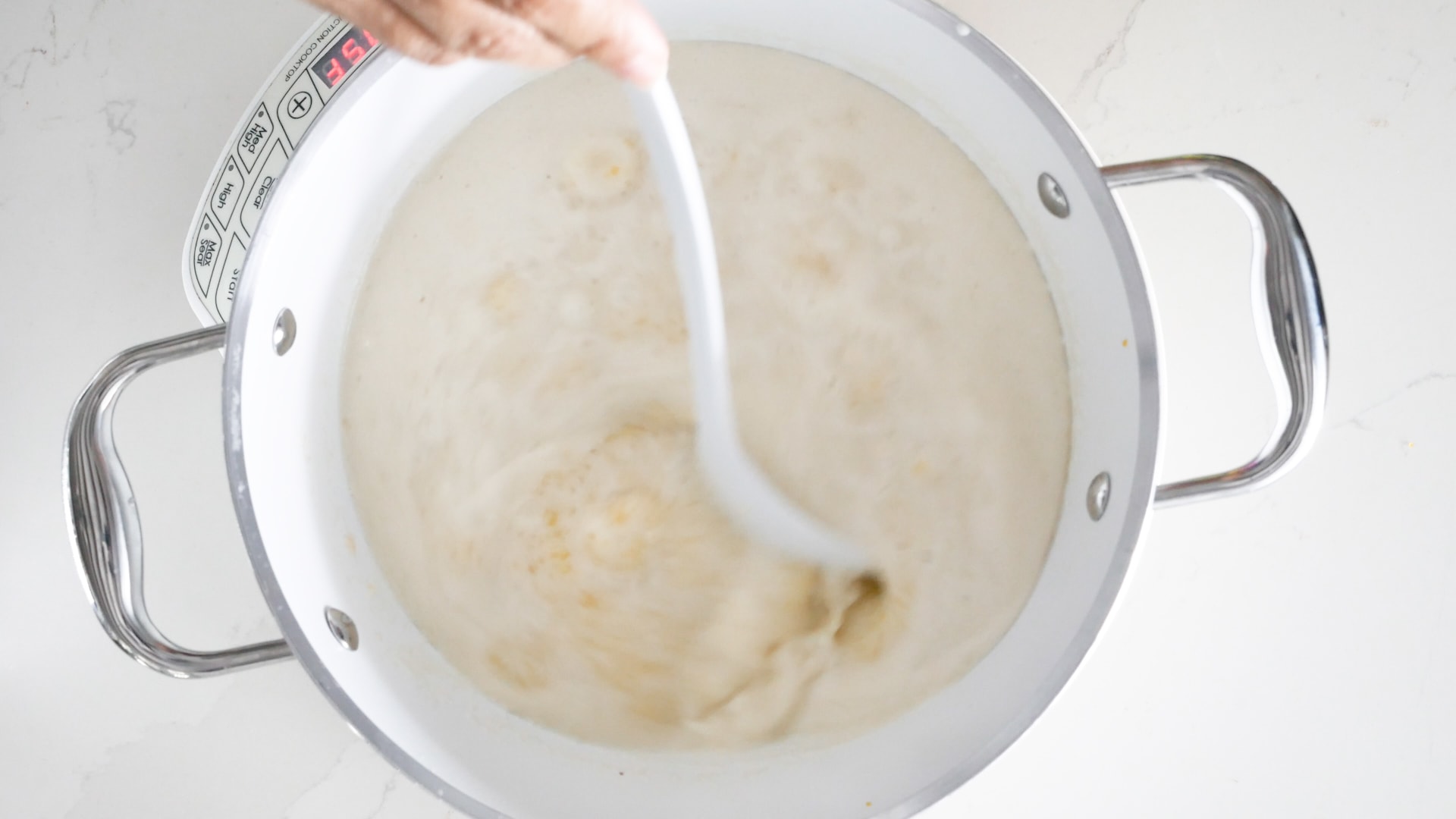
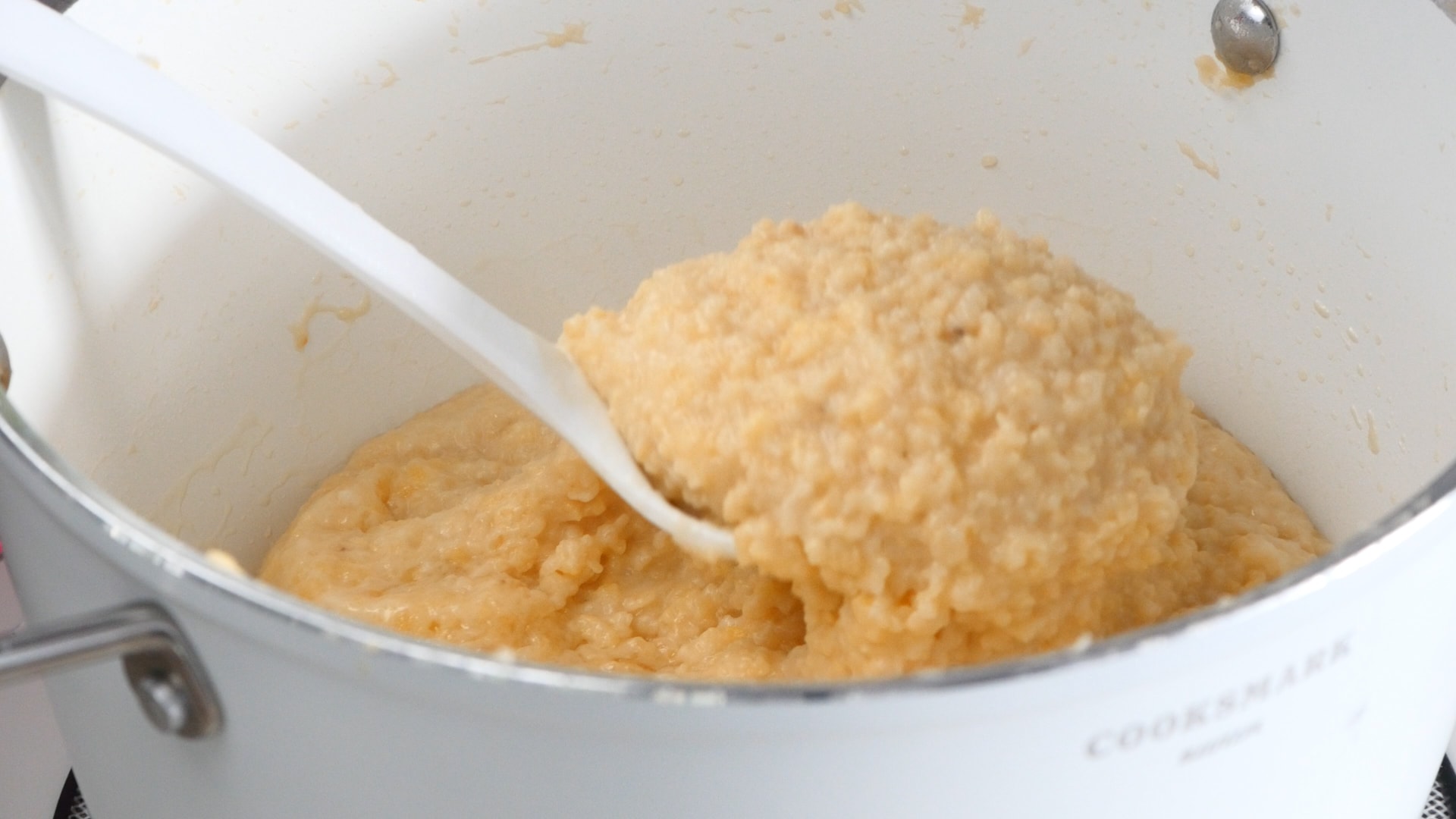
- Combine the rinsed corn, evaporated milk, coconut milk, 1¾ cup [400 ml] of water, broth, garlic, and 1 teaspoon of salt in the pot.Cook over medium-high heat until the liquid has reduced to about half, stirring every five minutes or so to prevent it from sticking to the bottom.Once reduced to half, reduce heat to medium-low and cook, stirring often, until it reaches the desired consistency (see notes). Be careful with splatters at this stage, and use a splatter cover if you have one.
3. Seasoning
- Once it reaches your preferred consistency, season with salt to taste. Remove from the heat.The garlic has probably dissolved by then, but check and remove any chunk left, if any.
4. Serving
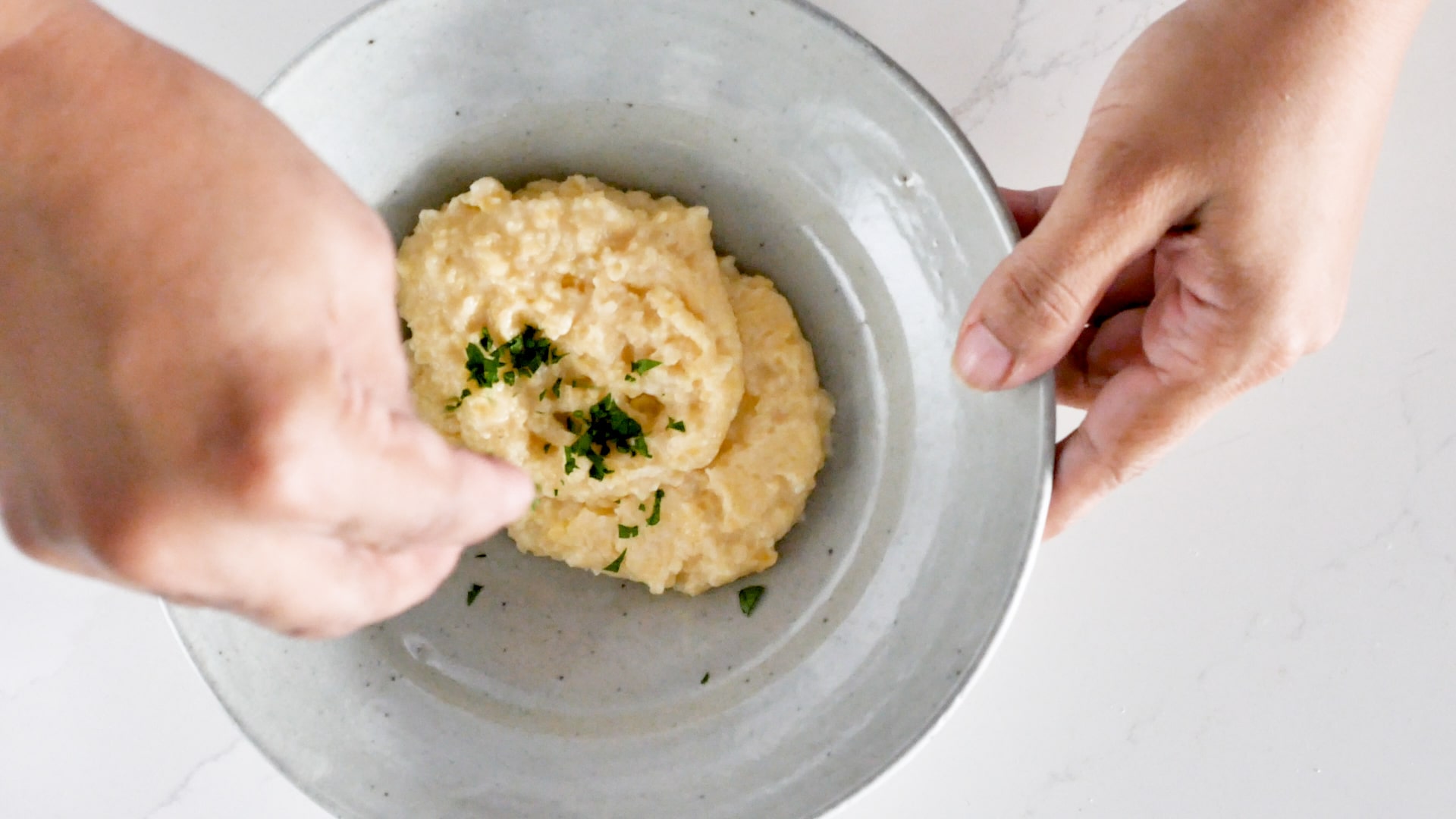
- Sprinkle with parsley, and serve hot. Check serving suggestions above.
Nutrition
Nutritional information is calculated automatically based on ingredients listed. Please consult your doctor if you need precise nutrition information.
Want to save this recipe?
Enter your email & I'll send it to your inbox. ❤️ Plus, get great weekly recipes from me!
References
- Savory Thoughts - Mais Moulin
- El Fogoncito - Brisas del Sur: Chenchén con Chivo

- Learn more about me and the humans behind this blog.
- Share your questions and comments about this post.
- Subscribe to receive our recipes and articles by email.
- Please stay in touch! Follow us on: