


Over 30,000 people of Chinese origin live in the Dominican Republic, and their influence on many areas of our culture, commerce, academia, and gastronomic heritage is quite apparent. Some of their dishes have been incorporated into our national cookery repertoire.
By - Reviewed: . Original: Jan 27, 2005
Chinese culture in the DR has received formal recognition with the opening of Santo Domingo's Chinatown as a cultural and tourist attraction in the old Chinese business district in the capital, in the Avenida Duarte area.
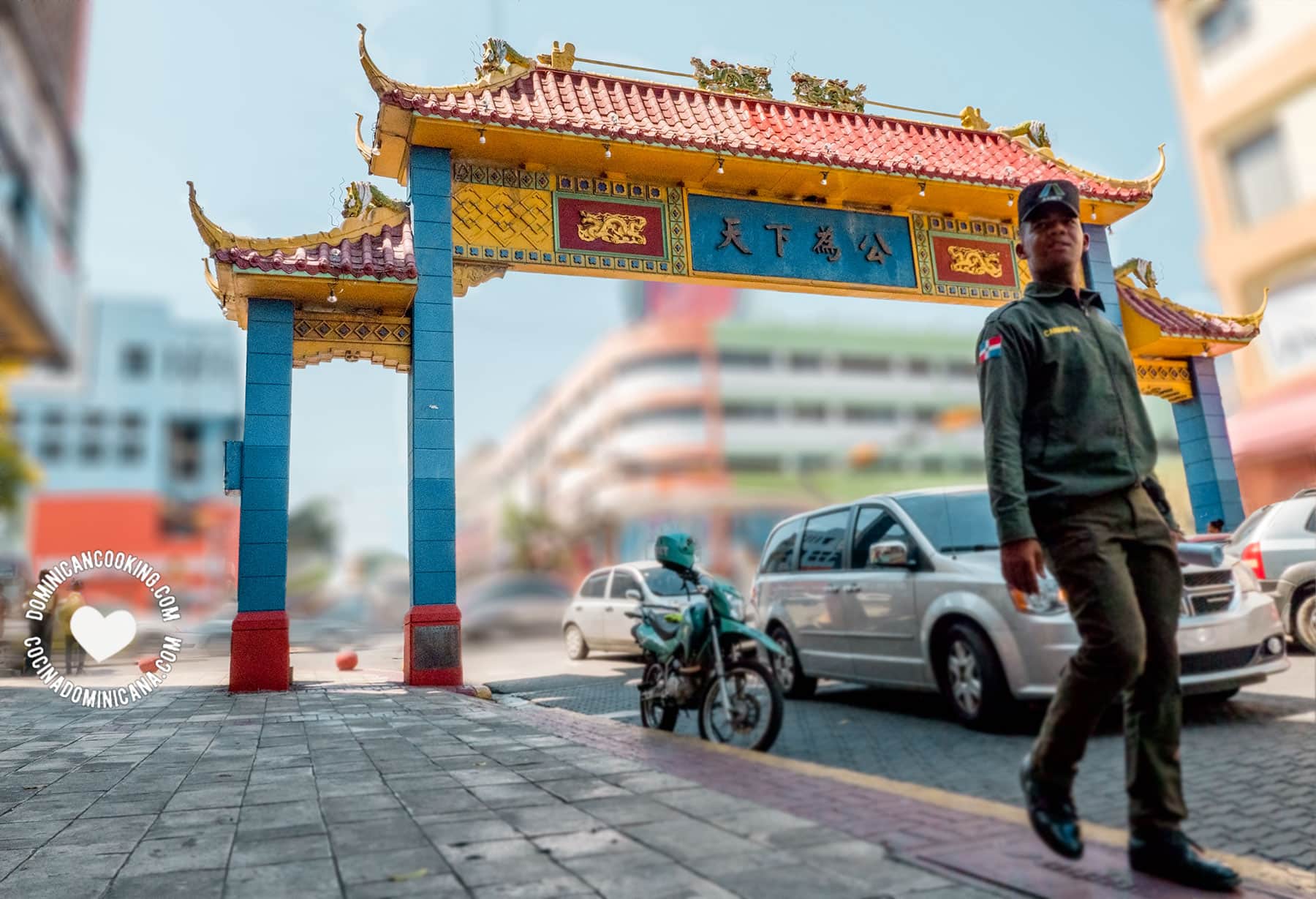
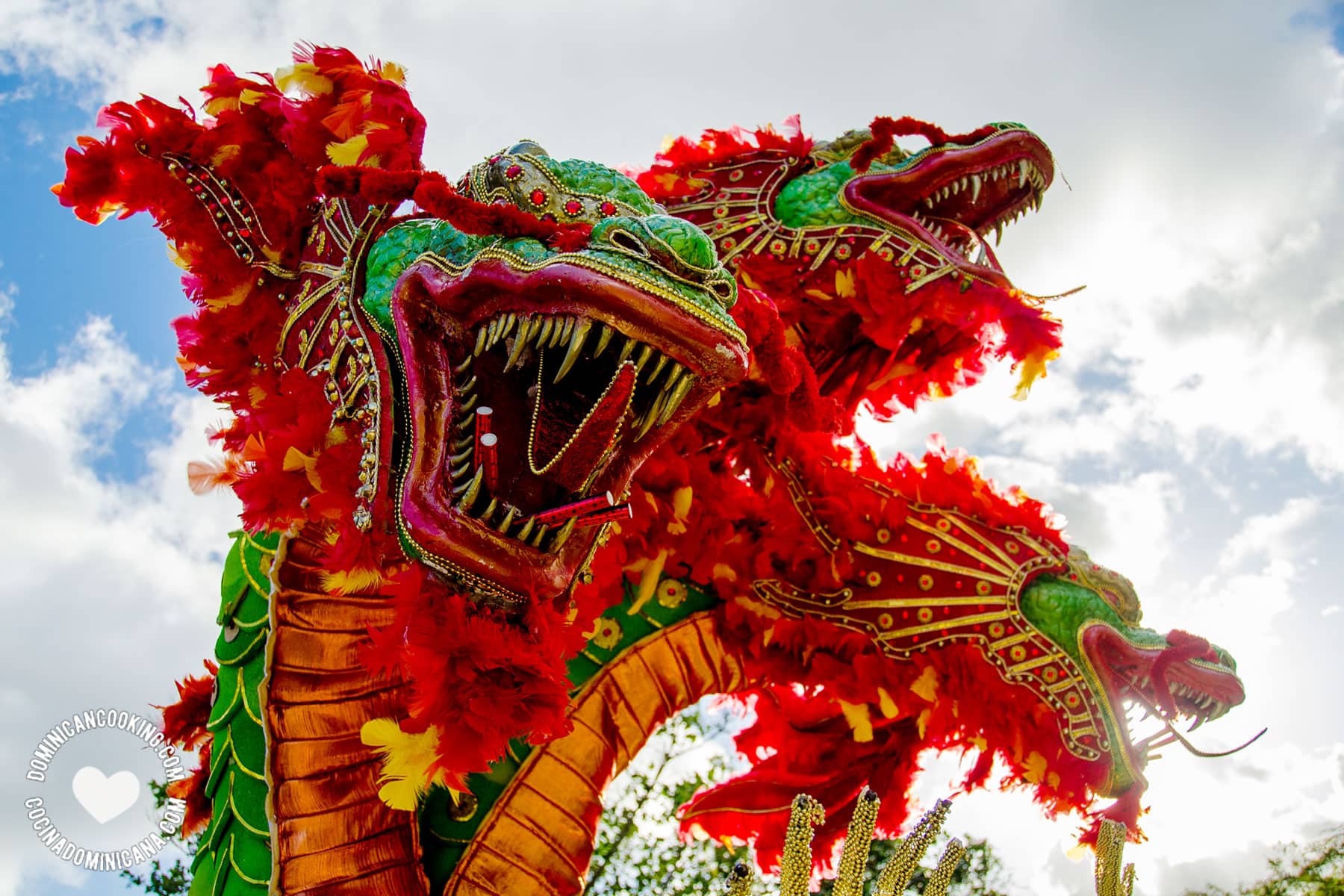
As well as the site of several popular Chinese restaurants and supermarkets this is also where the traditional Chinese New Year celebrations are held.
History
Migration from China began in the second half of the 19th century and continues to this day [1]. Many Chinese immigrants also came to the DR from other parts of the region, like Puerto Rico, Jamaica, Peru, and Ecuador.
The early Chinese immigrants to Latin America and the Caribbean came or were brought over to work as laborers in the sugar plantations in the English and Spanish colonies and former colonies after the slave trade became illegal in the 19th century.
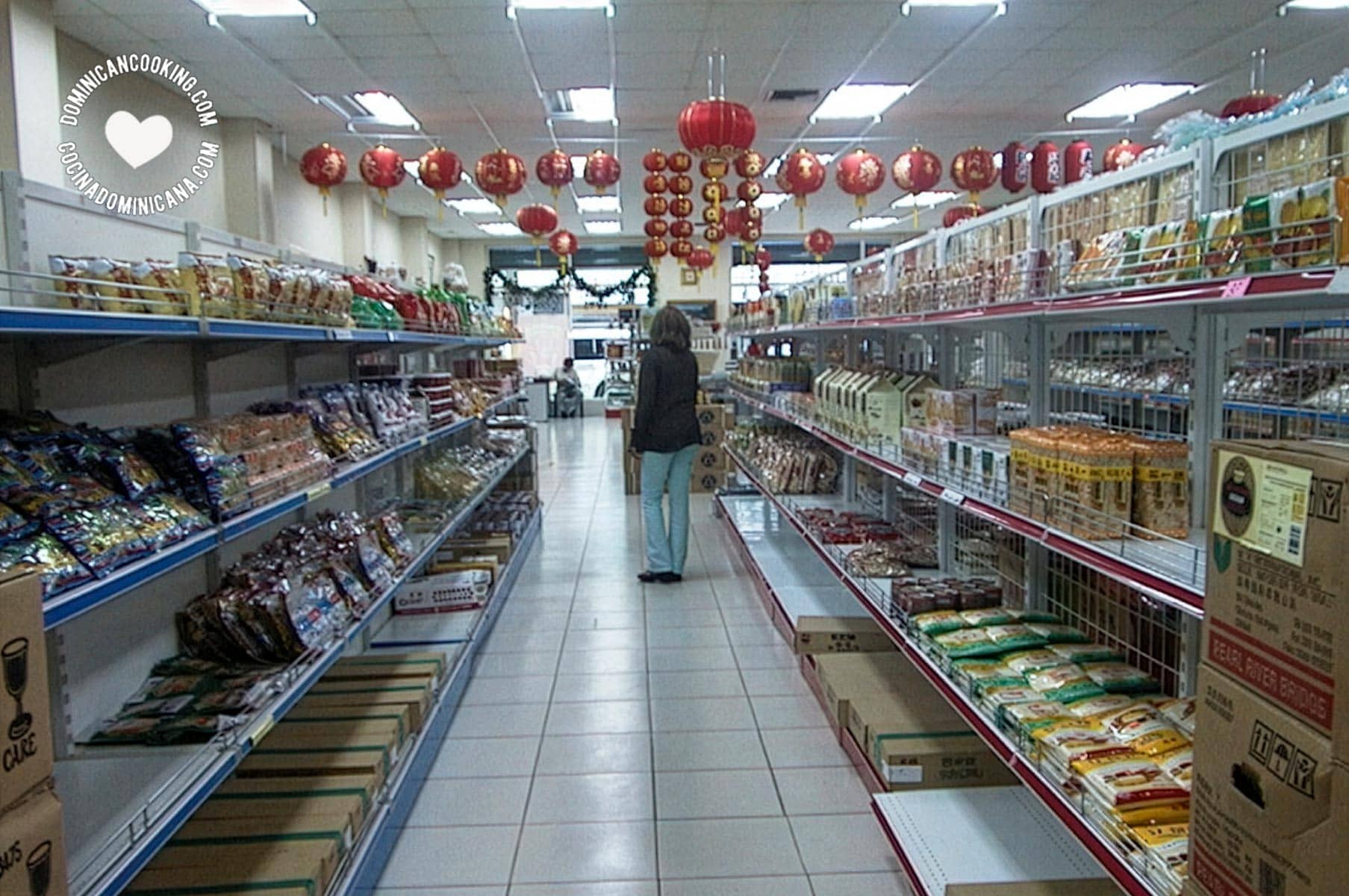
The ones who followed tended to be entrepreneurs: they opened businesses like laundries, bakeries, supermarkets, hotels, and restaurants.
Chinese Dominican food
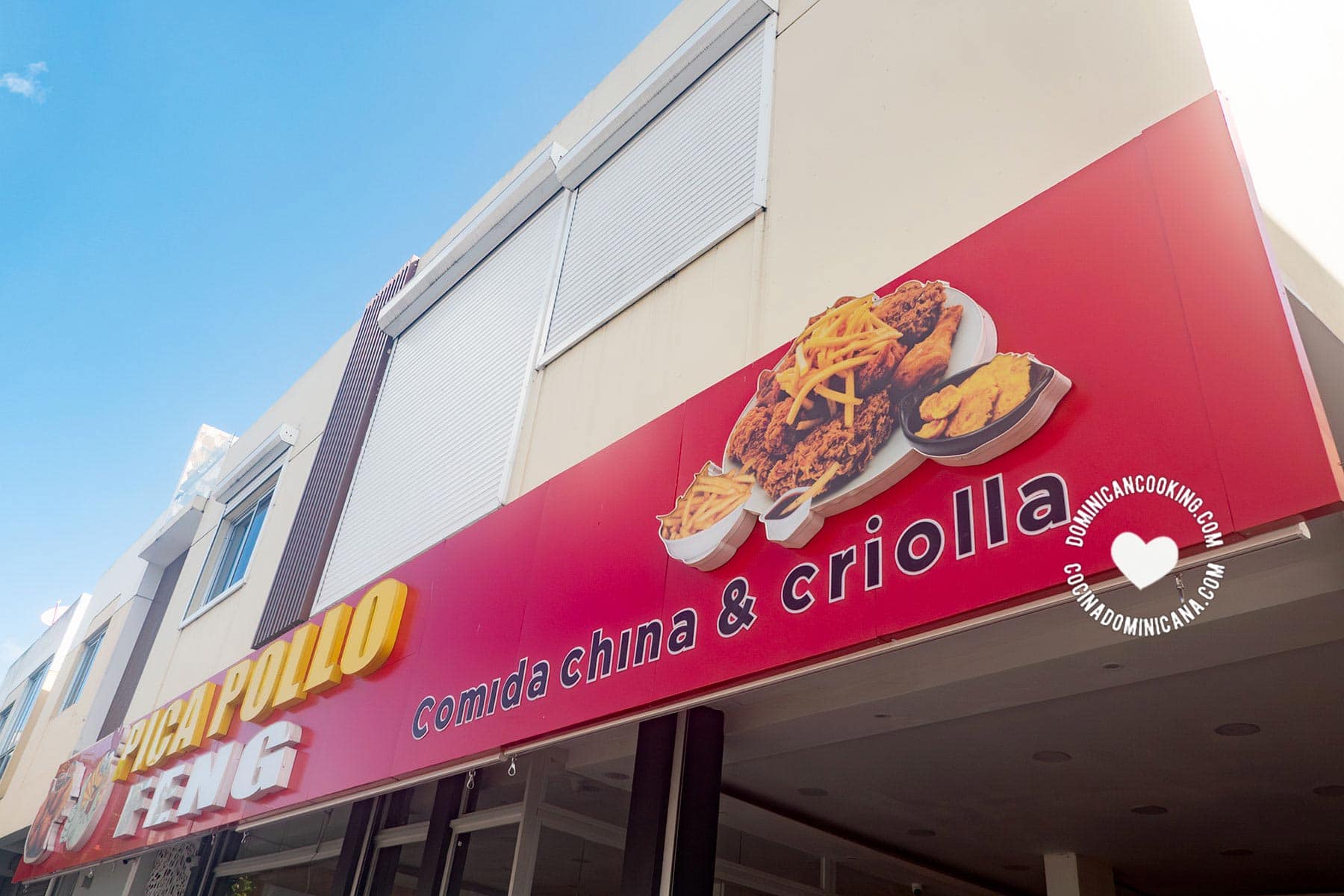
Chinese immigrants to the DR opened popular eateries known as 'Pica pollo' all over the country, selling fried chicken and a combination of Dominican and Chinese food. They also opened more upscale Chinese restaurants in the main cities, which soon became popular with the locals.
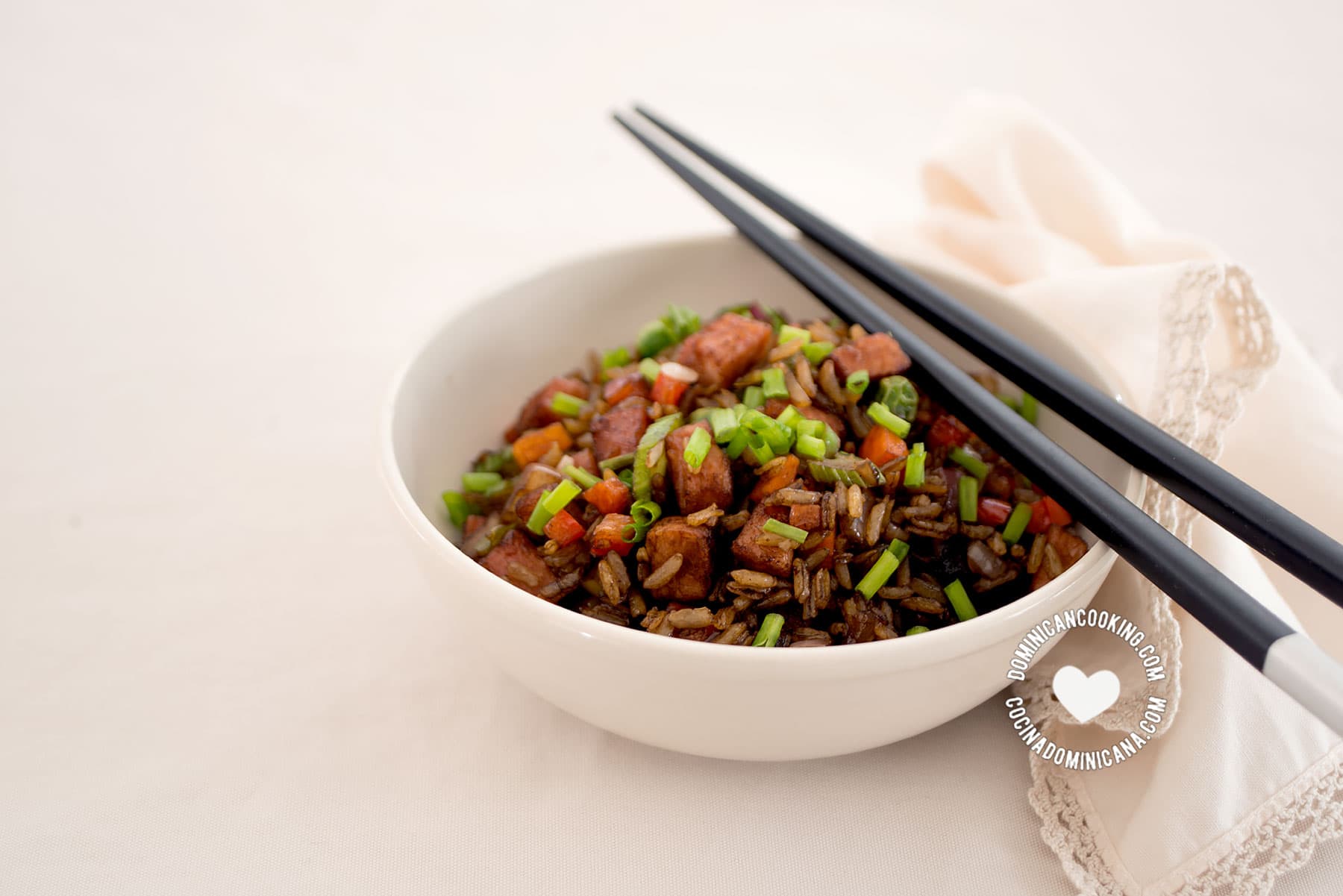
In this way, Dominicans of all socio-economic levels got to know and love Chinese food, going as far as to make some dishes their own, including Chopsui (chop suey), Chofan (chow fan) -- fried rice with chicken -- and Chicharron de pollo [2].

"Los chinos de Bonao"
One such restaurant in the DR was the Chinese-owned Sang Lee Lung roadside stop near Bonao on the highway between Santo Domingo and Santiago during the Trujillo dictatorship in the mid-20th century. It was especially famous for its chicharrones de pollo. The road was bad in those days, and the journey took several hours.
Travelers who stopped at the restaurant included high-ranking government and military officials and possibly the dictator himself. As the story goes, the restaurant owners would overhear them discussing their business and were said to be aware of sensitive information and government plans before anything was made public. The government officials assumed that they did not know sufficient Spanish to understand their internal conversations.
This is said to be the origin of the popular Dominican saying "Eso lo saben hasta los chinos de Bonao" (even the Chinese from Bonao know this), which is told to someone who is the last to hear about something.
An article in a Taiwanese magazine in Spanish explains it as follows:
"To avoid problems in those uncertain times, the Chinese who worked in the restaurant would keep firmly silent about what they heard. For this reason, whenever asked, they would say they knew nothing. But really, they knew everything. [The saying] also shows the level of affinity between the Chinese presence and Dominican identity." [3]
Is your family part of the Dominican Chinese diaspora? Do you keep any part of our culinary heritage? We'd love to hear more in the comments!

In collaboration with Tía Clara
References
- Various articles from the DR Chinese community's Fundación Flor Para Todos.
- Tolentino Dipp, Hugo, Itinerario Histórico de la Gastronomía Dominicana (Santo Domingo: Amigo del Hogar, 2014), p. 244.
- Chong, Luis M. "República Dominicana: de los 'chinos de Bonao' a la cooperación." Noticias: boletín informativo sobre Taiwan 44.14 (2014): http://noticias.nat.gov.tw/ct.asp?xItem=168914&CtNode=1697.

- Learn more about me and the humans behind this blog.
- Share your questions and comments about this post.
- Subscribe to receive our recipes and articles by email.
- Please stay in touch! Follow us on: